Diplomatic efforts in Doha have entered their third day as Qatar attempts to mediate a resolution between Washington and Tehran. The talks are focused on the release of more than $6bn in Iranian assets, a step that could facilitate the reopening of the Strait of Hormuz and the resumption of negotiations regarding Iran’s nuclear program. Officials from Gulf states have indicated they are “braced for the worst” while awaiting a response from Washington to an Iranian proposal intended to resolve the crisis before the US midterm elections this Tuesday.
United Arab Emirates envoy Anwar Gargash stated that further escalation is not in the interest of Iran or its neighbors. “We are also, as we have shown before, braced for the worst,” Gargash said, noting that maintaining relations with Iran is essential to prevent the country from becoming trapped in a prolonged crisis. The mediation in Doha has persisted despite an attack on Friday, where unidentified missiles struck a Pakistan-bound Qatari LNG tanker near the Strait of Hormuz, even though the vessel had received safe-passage approval from Tehran just hours earlier.
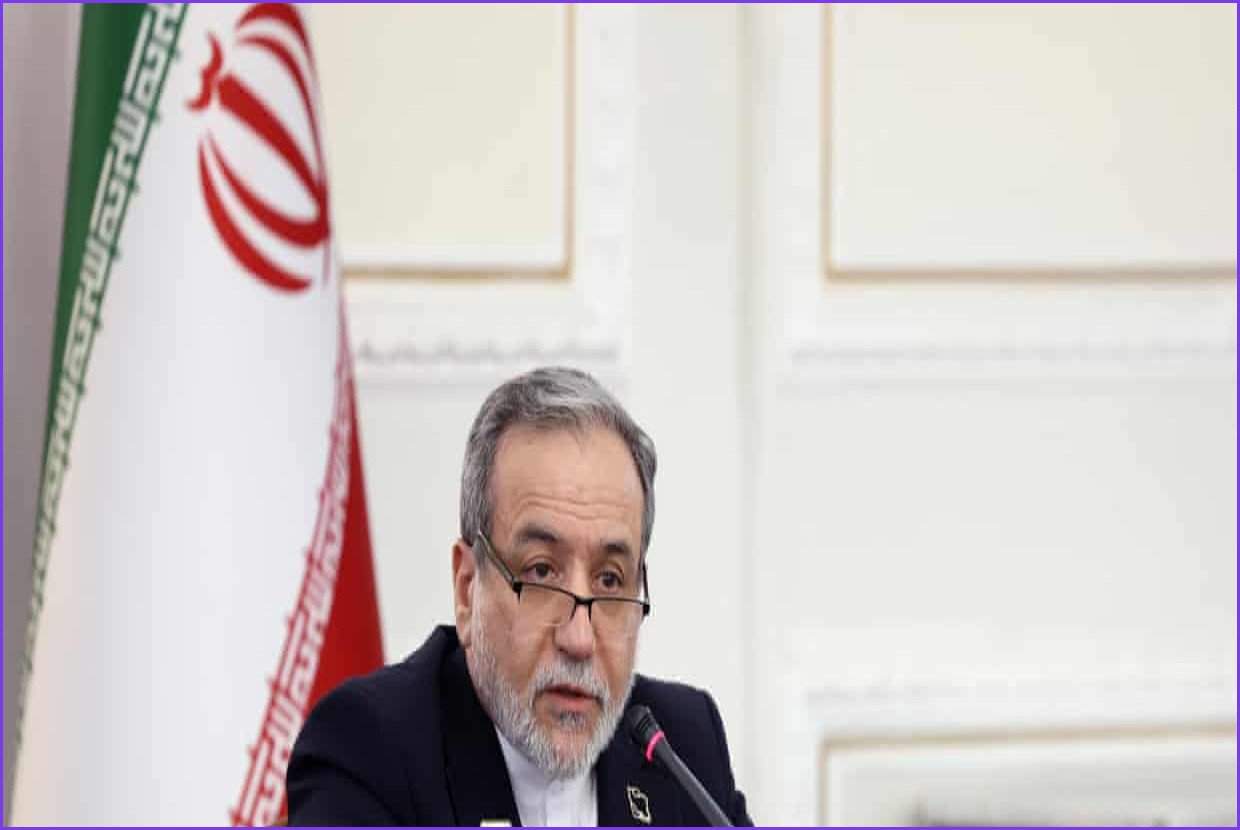
To address the significant lack of trust, Qatar is focusing on a plan to compress the implementation timeline. Iran has agreed to shorten the process from seven days to two, which would involve the US lifting sanctions followed by Iran reopening the strait and initiating nuclear talks. Iranian Foreign Minister Abbas Araghchi stated he hopes the US will choose “diplomacy over other paths,” adding that Iran is prepared for both defense and diplomacy depending on Washington’s “rationality.” Araghchi noted there are currently no plans for direct talks with the US; he is scheduled to travel to Turkmenistan on Monday, though other Iranian diplomats remain heavily involved in the Doha mediation.
The diplomatic situation remains volatile. Donald Trump said on Saturday that the US had neutralized much of Iran’s military but still needed to “take care of” one or two targets. He described the ongoing negotiations as “going fine” while cautioning that the Iranian side is “not very reliable.” Earlier on Saturday, US Secretary of State Marco Rubio stated the US was open to a diplomatic solution. Meanwhile, Iran’s security chief, Mohsen Rezaei, disclosed he had received a letter from US Vice-President JD Vance seeking to revive talks. Rezaei noted a positive change in the US “tone” but confirmed he had not yet responded.
Internal political resistance remains in Tehran, where Ali Nikzad, the deputy speaker of parliament, reiterated that Iran would not negotiate on its nuclear program under any circumstances or pressure, citing past breaches of promises and the bombing of nuclear facilities. Rezaei also claimed that President Trump is being pressured by a war that he asserted has wider international repercussions than the Vietnam war, telling Iranian television that every American family is enduring the pressure caused by the conflict.