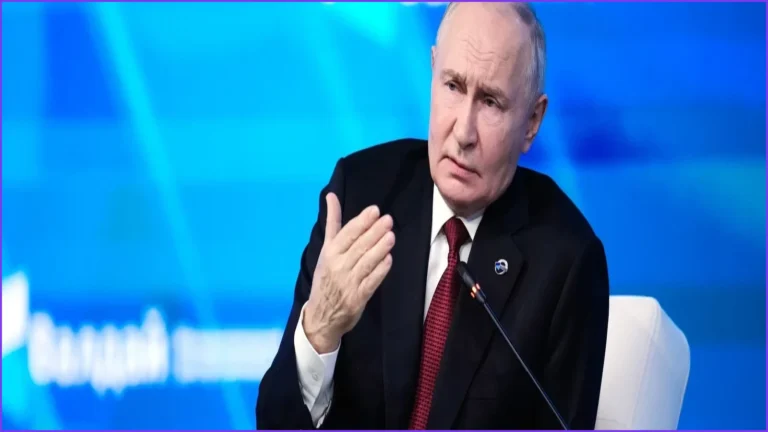
Myanmar’s military leader Min Aung Hlaing is set to conduct an official visit to Thailand next month, according to reports from Japanese media outlet Kyodo News. Citing sources within the Association of Southeast Asian Nations (ASEAN), the report indicates that the former general, who spearheaded the 2021 military coup, intends to travel in early August. While specific details regarding his itinerary remain undisclosed, the visit marks a significant step in his ongoing campaign to normalize his administration's relations with ASEAN and its member states.
This travel follows a recent official trip to Laos during July 3-5, which was his first official visit to an ASEAN member state since assuming the presidency. During that visit, he met with President Thongloun Sisoulith, with the two sides signing several agreements, including a pact concerning space technology cooperation. These diplomatic efforts follow visits by the Lao Foreign Minister to Naypyidaw, as well as high-profile trips by Min Aung Hlaing to India and China, both of which have effectively recognized the legitimacy of the military-backed government.
Thailand has consistently acted as a key advocate for re-engaging with the Myanmar regime. The country hosted an informal consultation in late 2024 involving foreign ministers and representatives from Myanmar’s junta and its neighboring countries. Furthermore, Thailand facilitated Min Aung Hlaing's attendance at the BIMSTEC summit in April 2025 and recently hosted an informal meeting in Bangkok between Myanmar’s Foreign Minister Tin Maung Swe and his ASEAN counterparts. Thai Foreign Minister Sihasak Phuangketkeow stated that his country aims to serve as a bridge to reconnect Myanmar with the regional bloc.
Despite these overtures, the path to normalization remains complicated. ASEAN has excluded Myanmar’s leadership from its summits since late 2021, a policy maintained for 11 consecutive sessions due to a lack of progress on the Five-Point Consensus, which mandates an end to violence and inclusive dialogue. Sihasak emphasized that Thailand remains committed to the Five-Point Consensus, focusing on realistic engagement. Conversely, the authorities in Naypyidaw have become increasingly vocal in their rejection of the Consensus, with the military-dominated parliament recently passing a motion labeling the plan as foreign interference that ignores the country's political reality. As countries like Malaysia, the Philippines, and Singapore continue to advocate for a harder line, it remains unclear whether Min Aung Hlaing will offer the necessary concessions to secure broader acceptance from the ASEAN community.
You have reached the limit of 2 free articles this month.
“This process of engagement does not mean any change in our basic position as reflected in the Five-Point Consensus, but it does mean achieving towards engagement, listening, and being realistic about what can be achieved,” he said, as per Reuters.