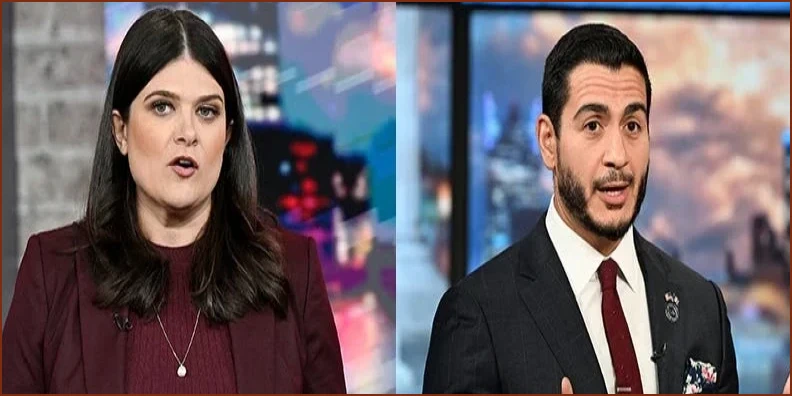
Michiganders are heading to the polls on August 4 for a pivotal Democratic Senate primary, a race that has evolved into a fundamental debate over the future direction of the Democratic Party. The contest features a clash between progressive candidate Abdul El-Sayed, a public health official based in Detroit, and the more moderate incumbent, U.S. Rep. Haley Stevens. The winner of this primary will aim to succeed Sen. Gary Peters, who announced in April that he would not seek reelection.
Polling data suggests a complex landscape for the party. According to an August 2 EPIC-MRA poll, while El-Sayed holds an edge among Democratic voters, Stevens appears more competitive for the general election. The same poll indicated that Republican challenger and former U.S. Rep. Mike Rogers would lead El-Sayed by 3 points in a general election matchup, whereas voters preferred Stevens over Rogers by 2 points. Michigan remains a critical swing state that Democrats must hold to secure control of the Senate, despite Donald Trump carrying the state in both 2016 and 2024.
The campaigns have highlighted starkly different priorities. El-Sayed advocates for a populist platform centered on "Medicare for all," getting "money out of politics," and putting "money in your pockets." Although he has received support from Democratic Socialists like Sen. Bernie Sanders, El-Sayed clarified to CNN that he is not a socialist but rather someone who believes in regulated capitalism. Conversely, Stevens has leaned on her legislative experience since 2019 and her tenure in the Obama administration, specifically her role as chief of staff to the U.S. Auto Rescue Task Force. She has framed her campaign as a defense against the "Trump-Musk chaos agenda."
Tensions have escalated throughout the cycle. El-Sayed dismissed Stevens as the "least capable candidate in America," while Stevens questioned his electability by citing his previous loss to Gretchen Whitmer by over twenty points. Stevens further criticized El-Sayed’s campaign rhetoric in a July 30 post. Additionally, the campaign was marked by controversy surrounding El-Sayed's association with Twitch streamer Hasan Piker, whose anti-Israel comments drew sharp pushback from Jewish groups and moderate Democrats. El-Sayed maintains that a progressive approach can succeed, noting that Michigan has previously voted for Donald Trump.
The race also caught the attention of former President Donald Trump, who endorsed Mike Rogers. On August 3, Trump weighed in on the Democratic contest from the Oval Office, labeling Stevens a "socialist" and El-Sayed a "communist," while adding that it appeared the "communist is leading." Both Michigan Senate seats have remained in Democratic hands since 2002, but the narrow margin of recent elections underscores the high stakes for the primary outcome.
"I was here for the auto-rescue. I was here for the tough moment. I am not getting self-enriched while running for office," Stevens said in a July 29 interview, pointing to her Obama administration role as the chief of staff to the U.S. Auto Rescue Task Force.
The primary winner will succeed Sen. Gary Peters, a Democrat who has held the seat since 2015. Peters announced in April that he was not seeking reelection.