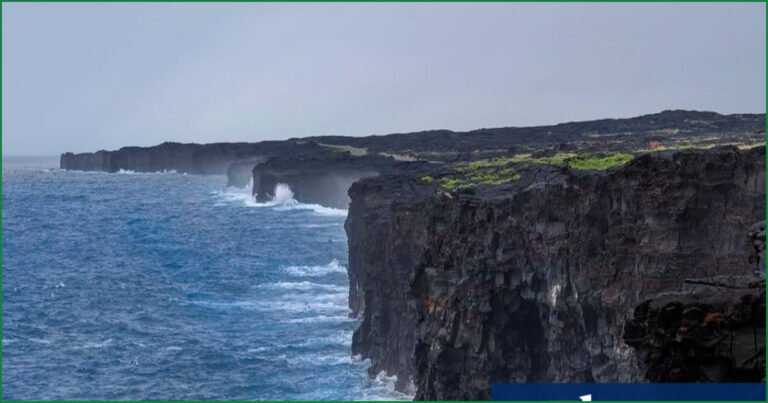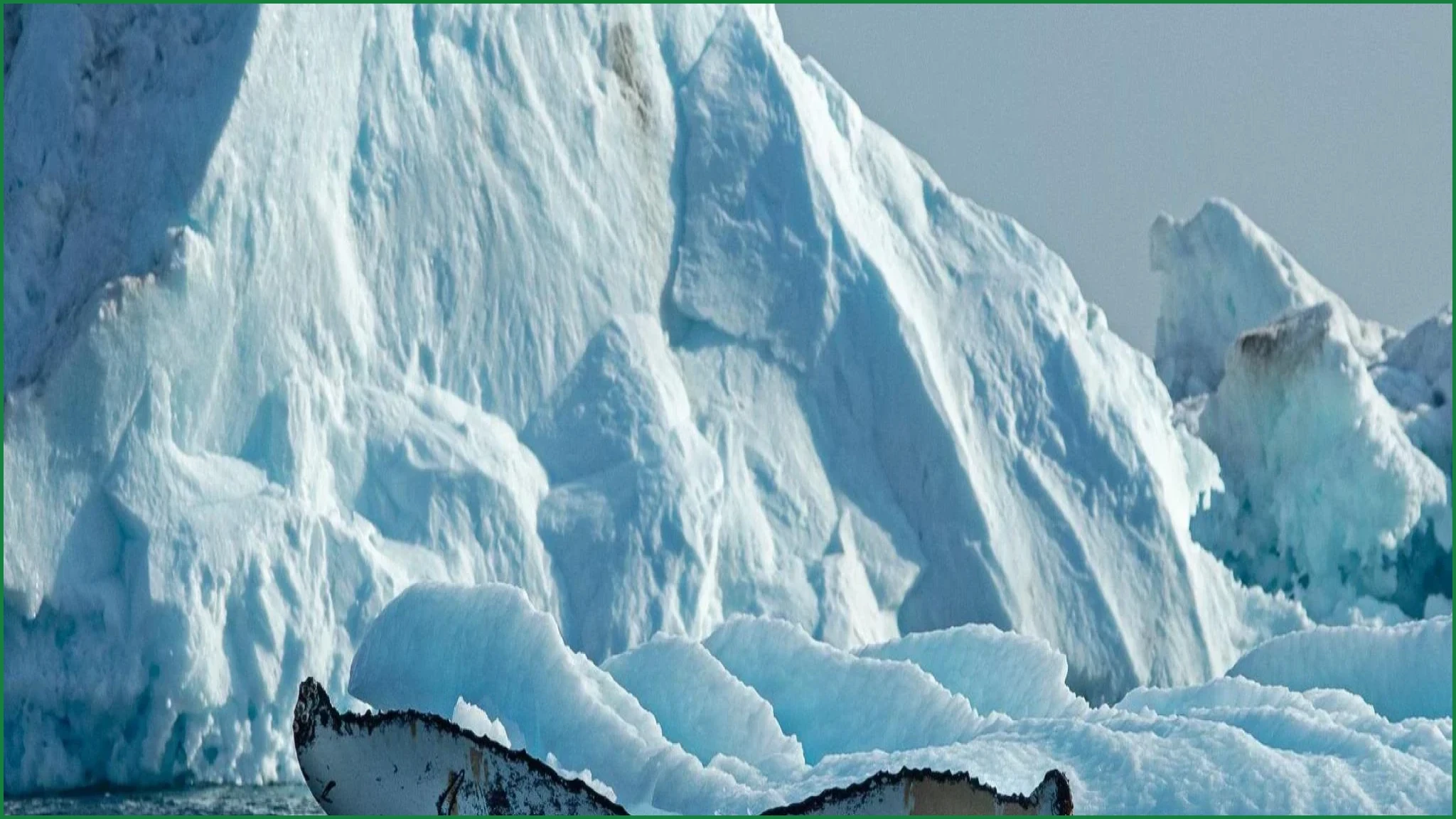
As climate change drives the rapid retreat of sea ice along the coast of East Greenland, giant whale species are migrating into newly accessible subarctic waters to feed, triggering what researchers describe as a major ecological regime shift and seasonal "feeding frenzies." This represents the conclusion of a decades-long study that has documented and filmed hundreds of the world's largest whales feeding in ice-free coastal seas during the summer months.
Historically, marine mammals like humpback, minke, and fin whales were entirely absent from these coastal areas because they were locked out by thick, impassable sea ice. However, warming seas have rapidly transformed the environment. Ship-based surveys in the region did not record a single humpback whale sighting until 2006. Just a year later, in 2007, researchers spotted seven humpbacks. By 2024, that number had surged to 150 ship-based sightings of these massive whales.
To map this massive transition, scientists conducted systematic aerial surveys of baleen whales during the summers of 2015 and 2024. They paired this data with the tracks of 15 satellite-tagged whales and testimony from local Inuit hunters to build a comprehensive picture of the shifting ecosystem. The resulting study, published in the journal Frontiers in Marine Science, estimated that a staggering 4,000 humpback whales, 6,000 fin whales, and 6,000 minke whales migrated to the Greenland Sea during the summer of 2024.
Prof Mads Peter Heide-Jørgensen of the Greenland Institute of Natural Resources, who led the research, explained that the environmental changes in the region were "probably the most radical we can see anywhere in the subarctic." This environmental transformation is being propelled by rising ocean temperatures and the resulting availability of food. The whales are targeting fish species that have moved into East Greenland's warming waters. Researchers calculate that these three whale species consume at least 800,000 tonnes of fish and krill over the course of a single summer feeding season.
While these "opportunistic" baleen whales appear to be adapting and potentially benefiting from the ice-free conditions, the study leaves some questions unanswered. It remains unclear whether the high numbers represent an actual increase in overall whale populations or merely a redistribution of animals from other regions. Some experts raised concerns that the data might indicate a migration of whales from West Greenland. This is a highly sensitive topic in Greenland, where certain whale species are actively hunted.
Meanwhile, endemic Arctic species are facing severe disruption. Unlike the invading baleen whales, animals such as narwhals and belugas are losing their habitats. These native species are now forced to share their territory or are being completely displaced by the incoming giants. As Prof Heide-Jørgensen explained, "For some species, climate change is not necessarily a problem – it opens up new opportunities, but other species are losing their habitat."