Former New Zealand prime minister Jacinda Ardern, who recently relocated to Australia, has issued a stark warning to politicians regarding the state of global discourse. Speaking from the stage of the Sydney Opera House on Sunday, Ardern argued that political leaders are currently exacerbating societal polarisation rather than resolving it. During a forum with author Anna Funder, Ardern suggested that the path forward requires a shift in priorities, stating, “We have a responsibility not to engage in binary thinking, not to engage in the language of violence, [but] to rebuild trust by building financial security in a time of deep insecurity.”
Ardern noted that the rise of global insecurity over the past few decades, fueled by globalisation, has led many to target institutions such as the World Trade Organization. She pointed to political responses like Brexit as examples of leaders opting to blame specific targets, which she claimed paved the way for the emergence of figures such as Donald Trump. According to Ardern, politicians have largely failed to address these core grievances, instead weaponising them through blame and distrust. “We have not just a crisis of trust; we have a crisis of leadership,” she added.
The 46-year-old, who moved to Australia earlier this year and recently announced a lecturing and mentoring role at the University of Sydney, highlighted how modern public discourse has become increasingly rigid. She remarked that people now hold opinions with such deep moral clarity that they find it nearly impossible to engage with those who disagree. This environment, she suggested, makes necessary problem-solving and democratic debate significantly more difficult.
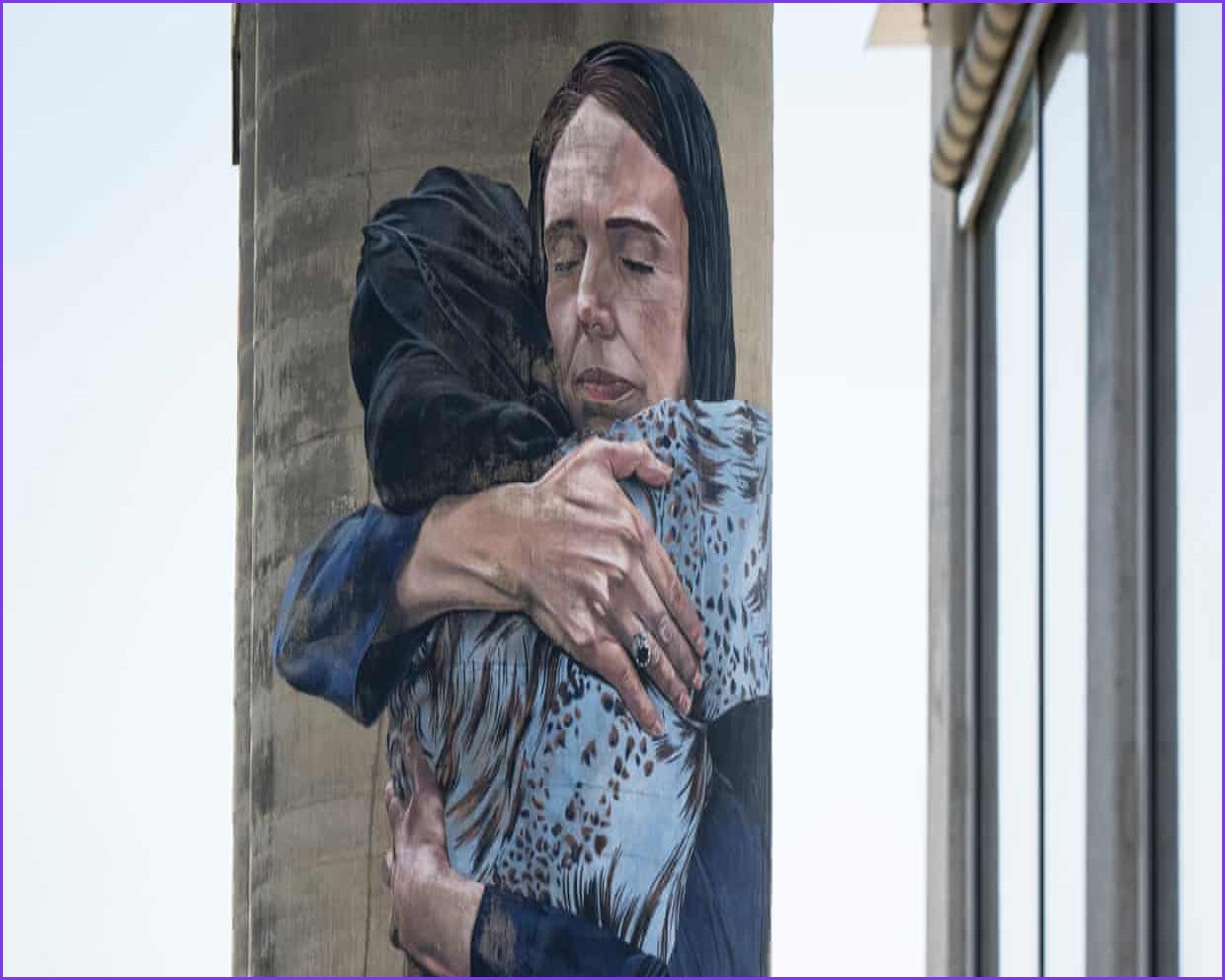
Ardern also discussed the impact of social media, admitting that when she entered politics in 2008 as the youngest sitting MP in New Zealand, she was naive about the potential for information manipulation. Her perspective on the dangers of the online world shifted significantly following the 15 March 2019 Christchurch mosque shootings. She described the event as a domestic terror attack by an individual radicalised on YouTube who used Facebook to broadcast violence, calling it the moment she “fully understood the weaponisation.”
While the forum took place just a fortnight after an alleged attack on independent MP Helen Haines, Ardern did not mention the incident explicitly but emphasised that leaders must be mindful of the tone they set. She concluded that the solution to the current political climate lies in empathy, humility, and curiosity, suggesting that a more humble approach to politics could make a profound difference in restoring public faith.
“Therefore, you couldn’t possibly engage with them anymore. It’s made it much more difficult to create the discourse that we need to problem solve.”
Mistrust has been building for years and was now playing out in voters’ sense of grievance and insularity, Ardern said, adding politicians had not been able to address it.