Italy has officially moved to temporarily suspend the Schengen agreement with Spain, a decision that took effect on August 1st. This policy shift follows a period of significant instability in the Spanish enclave of Ceuta, located in north Africa, where tens of thousands of migrants crossed into the territory last week. According to official figures provided by Spanish authorities, between 50,000 and 60,000 migrants entered the enclave, with more than 48,000 of those individuals returning to Morocco within a single day. Tragically, the attempt to reach the enclave resulted in at least 60 deaths.
Italian Prime Minister Giorgia Meloni characterized the suspension as an "extraordinary measure" that is necessary to "safeguard national security and prevent possible repercussions for our nation." While the Schengen Area typically allows for passport-free travel across 29 European countries, member states retain the right to reintroduce border controls temporarily in exceptional circumstances, such as when there is a serious threat to public policy or internal security.
The European Commission has clarified that the suspension is rooted in concerns regarding public policy, internal security, and the management of migration flows. Specifically, the Commission noted the risk of secondary movements within the Schengen area resulting from the large-scale irregular entries of third-country nationals in Ceuta. The measure is currently scheduled to remain in force until September 1st.
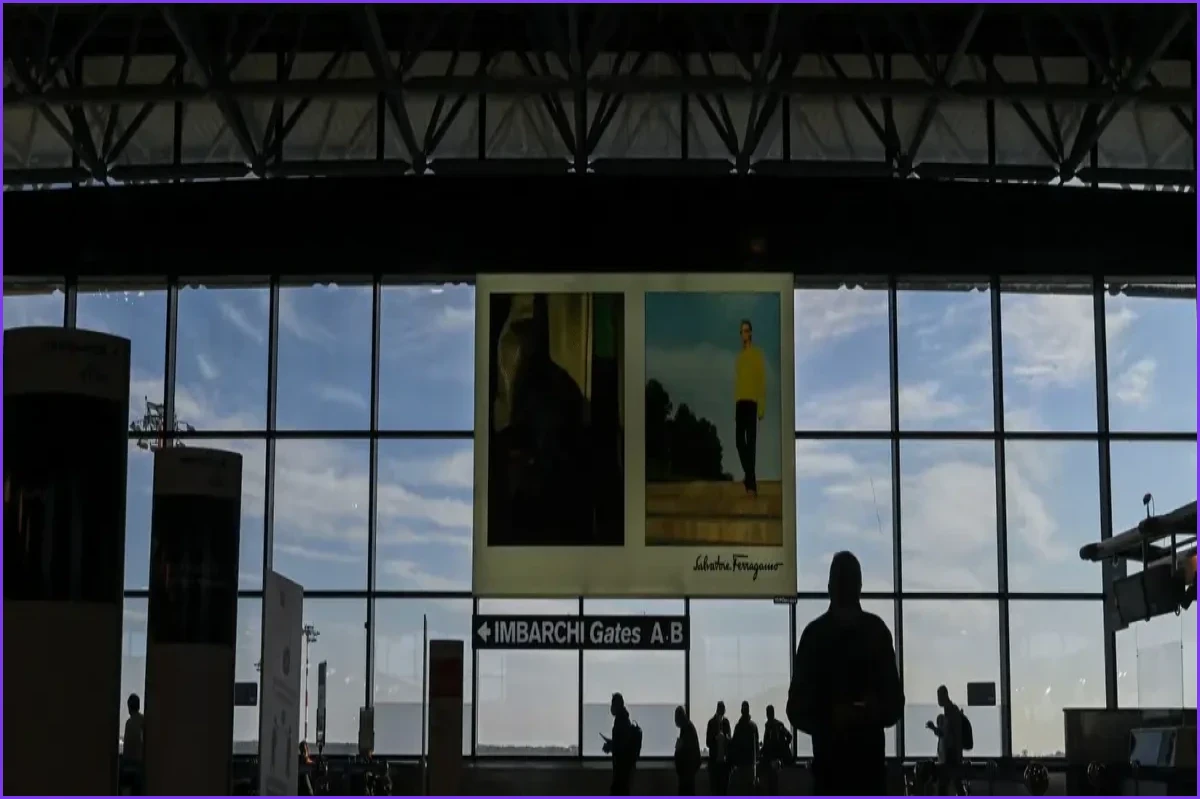
For those traveling from Spain to Italy, the suspension means that border checks have been reimposed, with an increased focus on document verification. However, the Italian Ministry of Interior has specified that these targeted checks apply exclusively to citizens from outside the European Union, often referred to as third-country nationals. Consequently, there is no change for Italian, Spanish, or other EU citizens, who will continue to travel as they did previously, provided they carry a valid identity card or passport. According to reports from Adnkronos, these new checks have not yet caused longer queues at Italian airports.