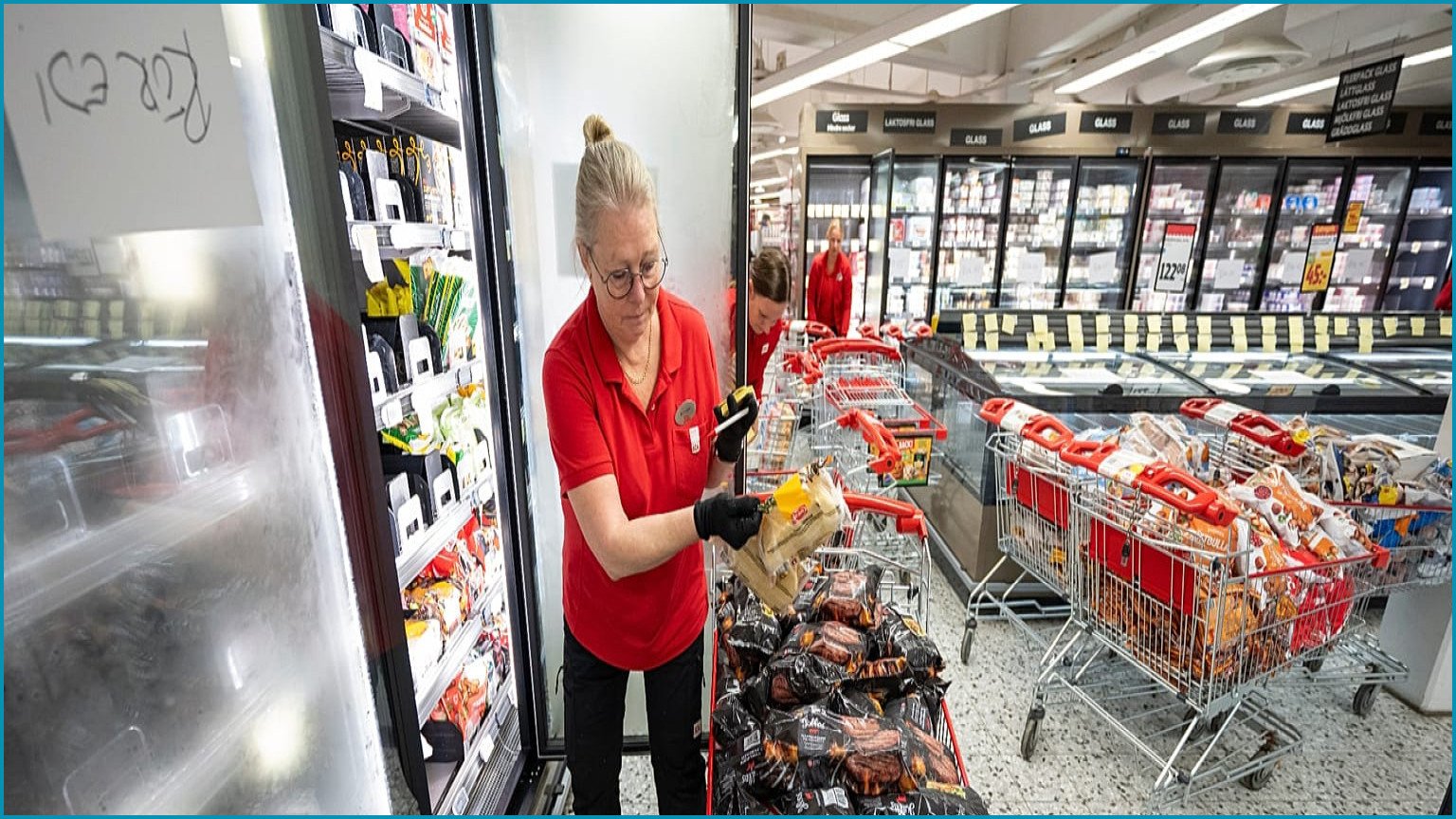
The Italian government convened emergency discussions with intelligence leadership on Tuesday following a surge in cyberattacks targeting supermarket freezer systems across at least 11 European countries. Retailers in at least 10 EU member states, notably Germany, Italy, and the Netherlands, have been compelled to discard food supplies due to unauthorized temperature increases in their cooling units. The United Kingdom has also reported being affected by the incidents.
While no entity has claimed responsibility and the motive remains unidentified, the Italian government described the impact within its borders as “highly limited,” noting that only facilities utilizing outdated security infrastructure were compromised. Approximately 20 stores were reported hit nationwide. In response, ministers met with the National Cyber Security Agency, which has since distributed technical guidance to retailers regarding system protection.
The scale of the disruption has prompted a coordinated international response. EU spokesperson Thomas Regnier confirmed that agencies are collaborating with national authorities, emphasizing that these are not isolated events and that collective resilience is required. Christophe Hansen, the EU commissioner for food and agriculture, characterized the attacks on Monday as a “deliberate attempt to disrupt our food supply chain.”
Views on the origin of the attacks vary among officials. Dan Cimpean, director of Romania’s National Cyber Security Directorate, noted that while six outlets in his country were affected, the nature of the attacks appears “semi-amateurish,” adding that there is no indication of involvement by a state actor. Conversely, Richard Horne, chief of the UK’s National Cyber Security Centre, stated that the incidents have impacted “the whole food supply chain” and involved the exploitation of vulnerable technology.
Specific impacts have been reported across the continent. In Sicily, Giuseppe Spadaro, director of a Coop supermarket group, reported that four of its 300 stores were hit, forcing the disposal of all stock. In Germany, four stores were affected, while Sweden’s Coop chain reported that its seven impacted locations have returned to normal operations, noting the compromised equipment was connected via older 4G mobile networks. Belgium has been among the hardest-hit countries, leading federal prosecutors to open a formal investigation. These incidents follow a similar wave of attacks that affected hundreds of French supermarkets last month.
The vulnerabilities stem from the common practice of connecting refrigeration systems to the internet to facilitate remote monitoring and repairs by contractors. Research by the security firm Forescout recently identified nearly 13,000 refrigeration control services that remain openly accessible online across 99 countries.
The Italian government said the impact so far was “highly limited”, and that only outlets with outdated security systems had been affected. Around 20 stores were reported hit nationwide.