A growing number of European nations have called for the suspension of Spain from the EU's passport-free Schengen travel zone following a surge of thousands of migrants into the Spanish exclave of Ceuta. The development has triggered a sharp diplomatic dispute, with Italy, Denmark, and Finland expressing concerns over border control and national security.
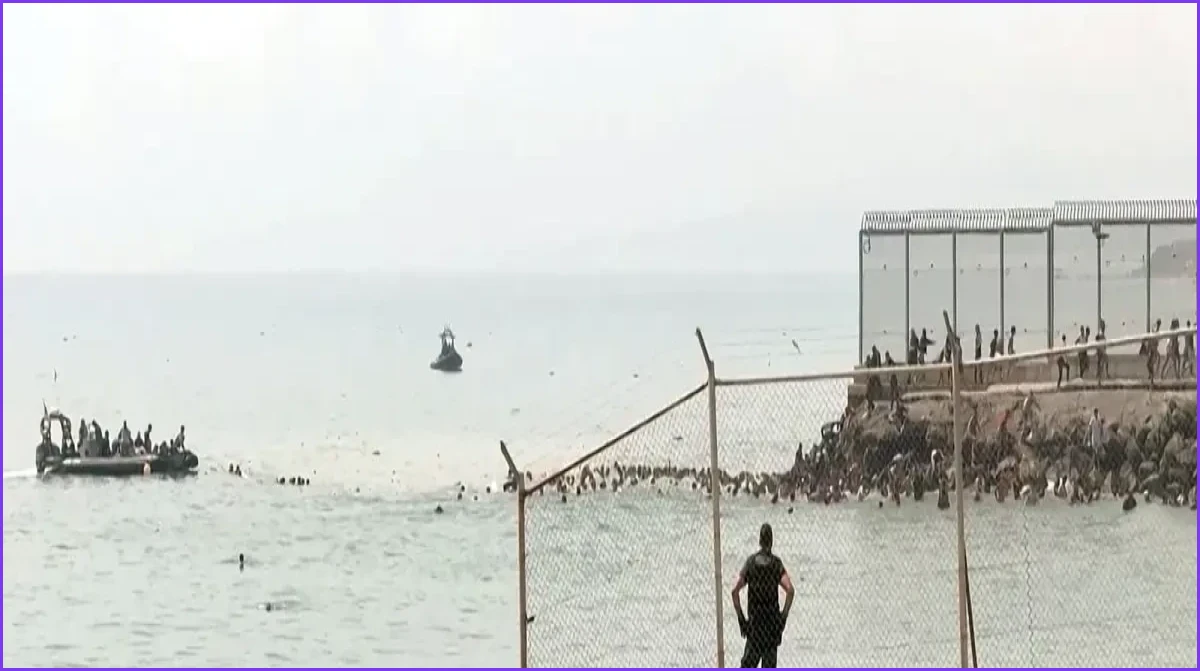
Italian Prime Minister Giorgia Meloni stated on Thursday that her government is preparing to take exceptional measures, including a potential suspension of the Schengen agreement with Spain, after describing the scenes in Ceuta as "shocking." Most of the migrants involved in the crossing, which included children, reached the enclave by swimming. The Spanish government’s delegation in the territory reported that at least nine people lost their lives during the attempt.
Italian Foreign Minister Antonio Tajani also advocated for the closure of the Schengen area with Spain. Tajani argued that "irregular and uncontrolled immigration poses a danger to national security" and criticized the Madrid government for granting citizenship to over 500,000 irregular immigrants, claiming such policies encourage human trafficking. In response, Spanish Foreign Minister José Manuel Albares accused Tajani of "partisan demagoguery" and weaponizing immigration for political gain, labeling the remarks as "improper" for a friendly partner country.
The pressure on Spain expanded on Friday as Denmark’s Prime Minister Mette Frederiksen issued a statement calling for the EU to consider all options, including the suspension of Schengen cooperation. "Uncontrolled immigration poses a threat to Europe and to Denmark," Frederiksen noted. Finland also joined the call, with Finnish Interior Minister Mari Rantanen stating on social media that Spain has "completely failed to protect the Schengen Area's external border from infiltration." Rantanen emphasized that nations failing to meet their obligations to secure external borders should not remain members of the Schengen system.
The Schengen Area currently encompasses 29 European countries that have abolished controls at their common borders. Amid the escalating rhetoric, Italy’s Deputy Prime Minister Matteo Salvini has further called for the suspension of the entire Schengen zone, highlighting the intensity of the debate surrounding the security of the EU’s borders in North Africa.