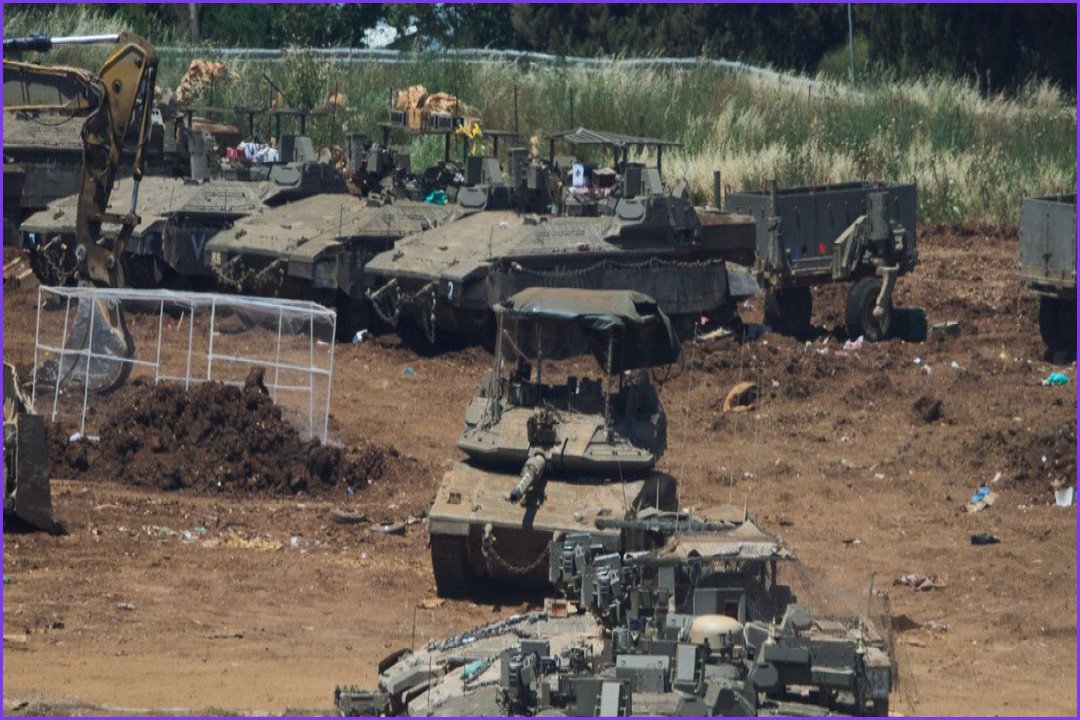
The Israeli military is currently evaluating a proposal to establish a new security zone reaching two to four kilometers into Lebanese territory. According to reports from the Israeli public broadcaster KAN, this strategic shift is intended to facilitate a reduction in troop presence and allow for the redeployment of forces across southern Lebanon.
Israel maintains a presence in parts of southern Lebanon that it has occupied for decades, while also seizing additional areas during the 2023-2024 war. During the current hostilities, Israeli forces have advanced more than 10 kilometers into Lebanon, marking the deepest incursion since the country's withdrawal from the region in 2000. Unnamed security sources cited by KAN indicated that the proposed zone would extend from the border, with the army preparing for a force reduction following the destruction of tunnels located at the Ali al-Taher heights in the Nabatieh province.
This redeployment strategy, referred to by the army as the "gray line," involves establishing specific positions designed to support future operations within Lebanese territory. While the Israeli army claims to have achieved "operational control" over the Ali al-Taher heights, the broader plan has yet to receive approval from Israel's political leadership and remains subject to further discussion. Defense Minister Israel Katz recently stated that the military has consolidated control over a "security zone" in the south, characterizing the "gray line" as a framework for redeployment similar to the existing "yellow line" that defines current military and security control.
These developments occur amid ongoing escalation in southern Lebanon, even as Beirut and Tel Aviv negotiate a gradual Israeli withdrawal under a US-mediated process. According to Lebanese authorities, ongoing Israeli attacks since March have resulted in more than 4,000 deaths, left over 12,000 people injured, and displaced more than 1 million residents.