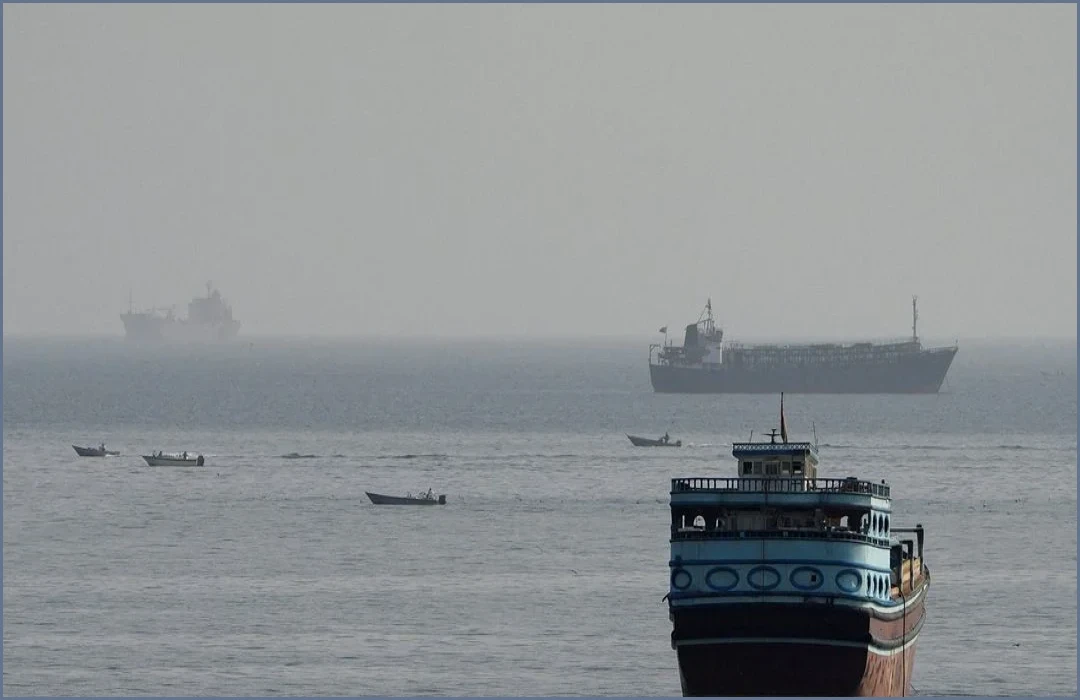
The Iranian parliament’s National Security and Foreign Policy Committee has officially approved a provision within a draft law that would authorize Tehran to levy charges on ships passing through the Strait of Hormuz. According to the state-run IRNA news agency, the committee reached this decision while continuing its review of the proposed “Strategic Action Plan to Ensure the Security and Development of the Strait of Hormuz.”
Committee spokesperson Hassan Qashqavi confirmed that members voted to approve Article 3 of the bill, following a previous postponement of the matter. Under this new provision, the state would be permitted to collect fees for a range of maritime services, including navigation support, environmental services, security, insurance, and specialized fuel supplies. Qashqavi noted that these fees would be required from vessels belonging to nations permitted to transit the strait, with payments to be made in Iranian rials or an alternative currency designated by Tehran.
Addressing the legal framework of the proposal, Qashqavi maintained that the legislation respects the rights of other states bordering the strait. He asserted that the text acknowledges the freedom of maritime navigation as defined by international law and regulations, while simultaneously emphasizing the need to protect the sovereignty and security of coastal states and the protection of their rights.
The Strait of Hormuz remains a central point of contention amidst the ongoing US-Israeli war on Iran, which began in February. While the waterway functioned as a free route for global oil and gas exports prior to the conflict, Iran is now insisting on retaining control and charging fees—a move that the United States has rejected.
The legislation must now navigate the remainder of the Iranian parliamentary process. The committee’s report is set to be submitted to the full parliament for a vote on both individual provisions and the bill as a whole. If approved by the legislature, the bill will be sent to the Guardian Council to ensure constitutional compliance. Should objections arise, the bill would return to parliament, while the Expediency Council could intervene if the dispute remains unresolved. Once the Guardian Council provides final approval, the legislation will be promulgated by the president to enter into force.