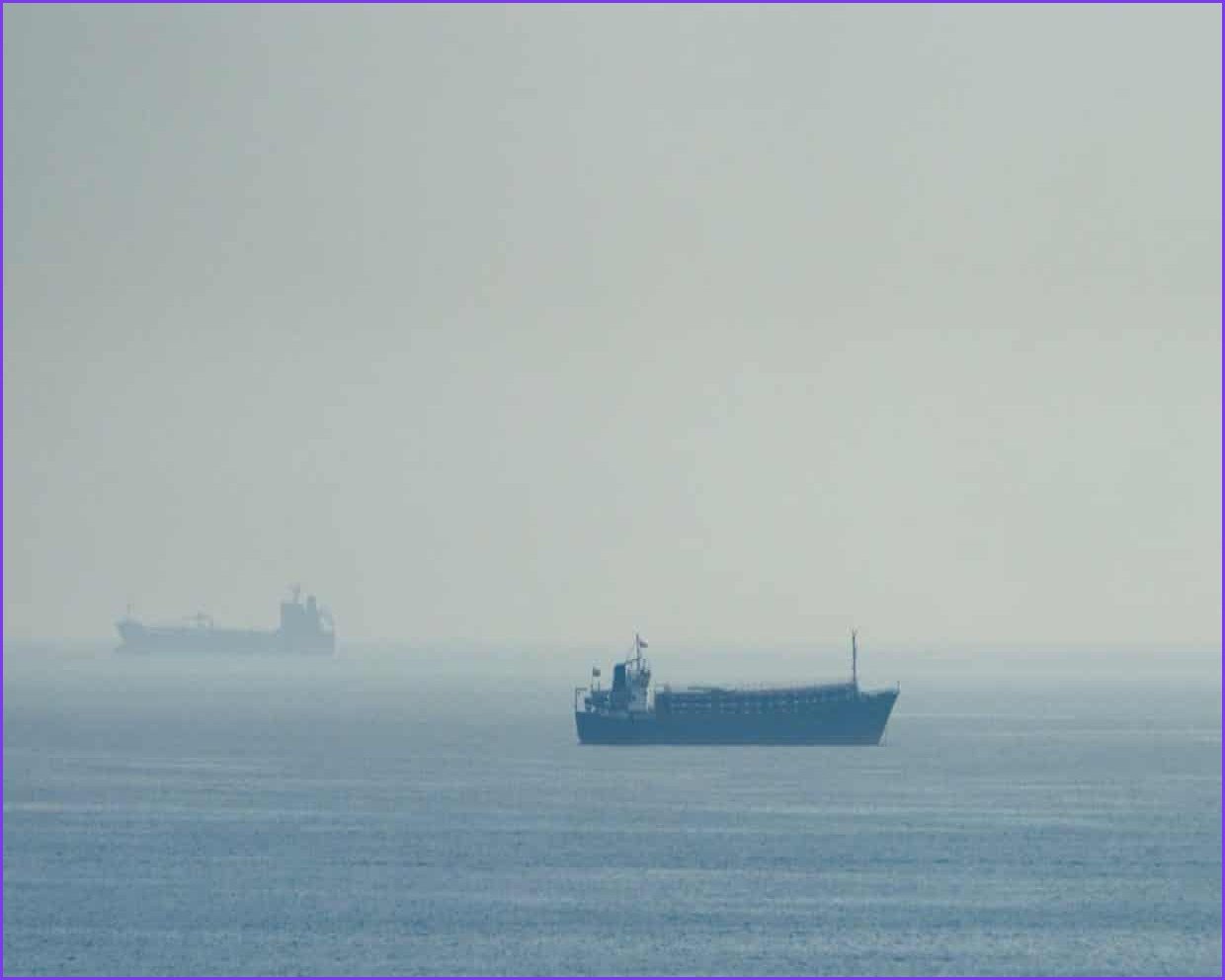
Tensions in the Middle East reached a new peak on Friday as Iran’s Islamic Revolutionary Guard Corps (IRGC) reported striking two oil tankers navigating the Strait of Hormuz under US military escort. The IRGC claimed the vessels were utilizing an "undeclared route" through the waterway, leading to their immobilization, while four other tankers reportedly altered their paths to retreat. This development occurs as President Donald Trump convenes his cabinet at the Camp David retreat in Maryland to strategize on the five-month-old conflict, which has significantly impacted global energy markets.
The Strait of Hormuz has faced near-total closure since hostilities between Washington and Tehran reignited two weeks ago. The two nations maintain competing transit requirements; Iran routinely targets ships utilizing the southern route near the coast of Oman, while the US military enforces a blockade against Iranian vessels and ports. On Thursday, crude oil prices climbed above $90 per barrel following US retaliatory strikes against Iranian targets in Jordan. Amidst this instability, the Kuwaiti defence ministry confirmed on Friday that it successfully intercepted Iranian drones attempting to strike military and vital facilities, reporting no casualties.
Simultaneously, the regional conflict has extended into Lebanon, where the Israeli military conducted a major detonation near the ancient Beaufort Castle. Israel stated the operation targeted Hezbollah tunnels and infrastructure to secure its northern border. The resulting blast was felt across southern Lebanon, covering nearby towns in ash and leaving the target area leveled. Lebanese officials have condemned the action as a violation of the existing ceasefire.
Domestically, the administration faces mounting pressure as the economic fallout from the war—specifically high gas and grocery prices—threatens Republican prospects in the upcoming November midterm elections. Despite President Trump’s efforts to maintain control over the Strait of Hormuz through military force, the strategy has yielded limited success. Recent polling from Reuters-Ipsos indicates that public support for the war has fallen to one in three Americans, the lowest level since the conflict commenced. Legislative backing is also wavering; the US Senate recently narrowly rejected a war powers resolution in a 49-50 vote, failing to force an end to the engagement. While the broader economy struggles with inflation, energy giants have reported substantial windfalls, with ExxonMobil’s profits doubling and Chevron’s earnings increasing more than fivefold compared to the previous year.