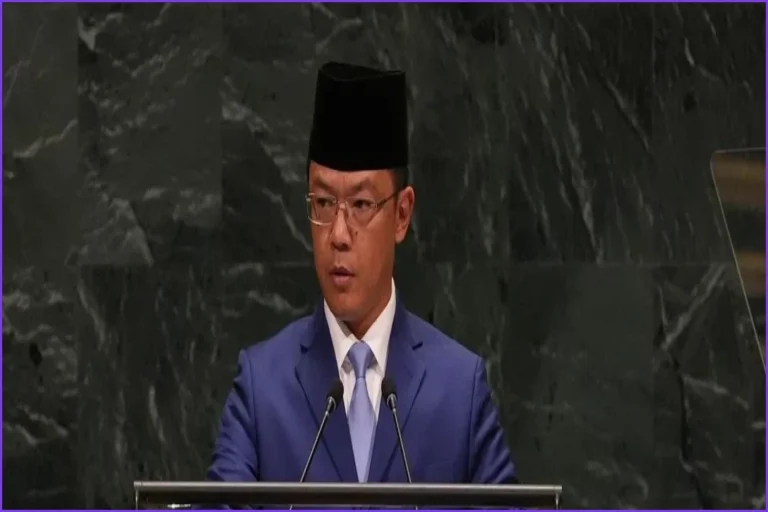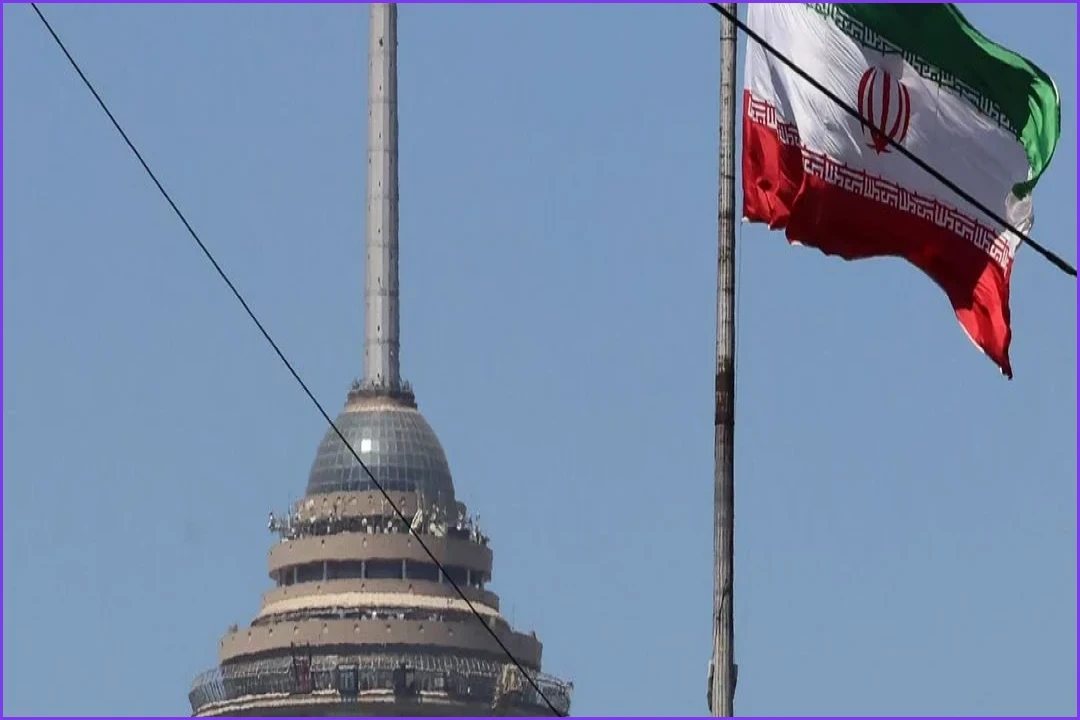
Iranian Deputy Foreign Minister Kazem Gharibabadi has indicated that diplomatic dialogue among Gulf countries could be restored if peace and stability are successfully re-established in the region. According to Gharibabadi, recent geopolitical developments have led regional states to the conclusion that security must be managed internally by the countries of the region themselves rather than relying on external forces.
Speaking to the official IRNA news agency on Friday, the deputy minister noted that Gulf leaders have already demonstrated the political will to initiate a new regional dialogue process, which could include a proposed meeting of foreign ministers. He emphasized that the fundamental requirement for such an initiative is the restoration of stability, stating, "Security is something that must be built from within the region, and all regional countries should participate in providing it."
Gharibabadi reported that Iran’s assessment, based on ongoing contacts with Gulf officials, suggests that neighboring nations have realized that any further expansion or prolongation of the conflict would pose significant threats to their own economic development and security. This realization has reportedly encouraged regional leaders to seek an end to military operations and support the resumption of negotiations.
However, the official also voiced criticism regarding the conduct of some Gulf nations during what he characterized as the 40-day war against Iran. He alleged that certain countries permitted the United States to utilize their territory for military operations. Tehran has reportedly documented flights and missile launches originating from neighboring states and submitted this evidence to the UN Security Council. Furthermore, Gharibabadi claimed that Iranian armed forces identified two or three specific attacks carried out directly by neighboring countries, separate from U.S.-led actions, which resulted in a stronger response from Tehran.
While acknowledging that the conflict has caused a significant rift between Iran and several Gulf states, Gharibabadi expressed optimism that regional governments are reassessing their security priorities. Regional tensions had previously reached a peak on February 28, following coordinated attacks by Israel and the United States on Iranian military, nuclear, and energy infrastructure, which prompted retaliatory drone and missile strikes from Tehran. Although Iran and the U.S. signed a memorandum of understanding on June 18 through Qatari and Pakistani mediation to end hostilities, subsequent negotiations stalled over disputes regarding freedom of navigation and maritime security in the Strait of Hormuz.