The International Civil Aviation Organization (ICAO) has officially withdrawn a long-standing safety warning regarding Syrian airspace that had been in effect since 2013. According to the country’s civil aviation authority, this development represents a significant milestone in Syria’s ongoing efforts to rebuild its international air connectivity.
Omar al-Hosari, who leads Syria’s General Authority of Civil Aviation and Air Transport, stated on Monday that the ICAO confirmed the previous warning would no longer form the basis for operational decisions regarding Syrian airspace. As reported by the Syrian Arab News Agency (SANA), future assessments are set to rely on updated international aviation safety and security standards. This shift allows airlines, regulators, and various countries to re-evaluate their current policies concerning flights that traverse Syrian airspace or services connecting to Syrian airports.
While al-Hosari noted that the withdrawal could encourage more airlines to consider resuming routes and potentially increase international traffic through the region, he also offered a cautious outlook. He emphasized that the ICAO decision does not automatically negate restrictions currently imposed by individual countries or specific aviation regulators. Syrian authorities plan to maintain technical and diplomatic coordination with the ICAO and other international bodies to address these remaining barriers through recognized safety and security assessments.
The original warning, which was implemented on March 22, 2013, specifically addressed the safety of civilian aircraft operating within the Damascus Flight Information Region. Despite the ICAO’s recent move, the European Union Aviation Safety Agency (EASA) still enforces a conflict-zone information bulletin covering Syrian airspace. That bulletin, which was most recently revised on October 1, is slated to remain in effect until November 30, 2026. Consequently, airlines and national regulators must continue to perform their own risk assessments and adhere to existing guidance before changing flight paths or resuming operations.
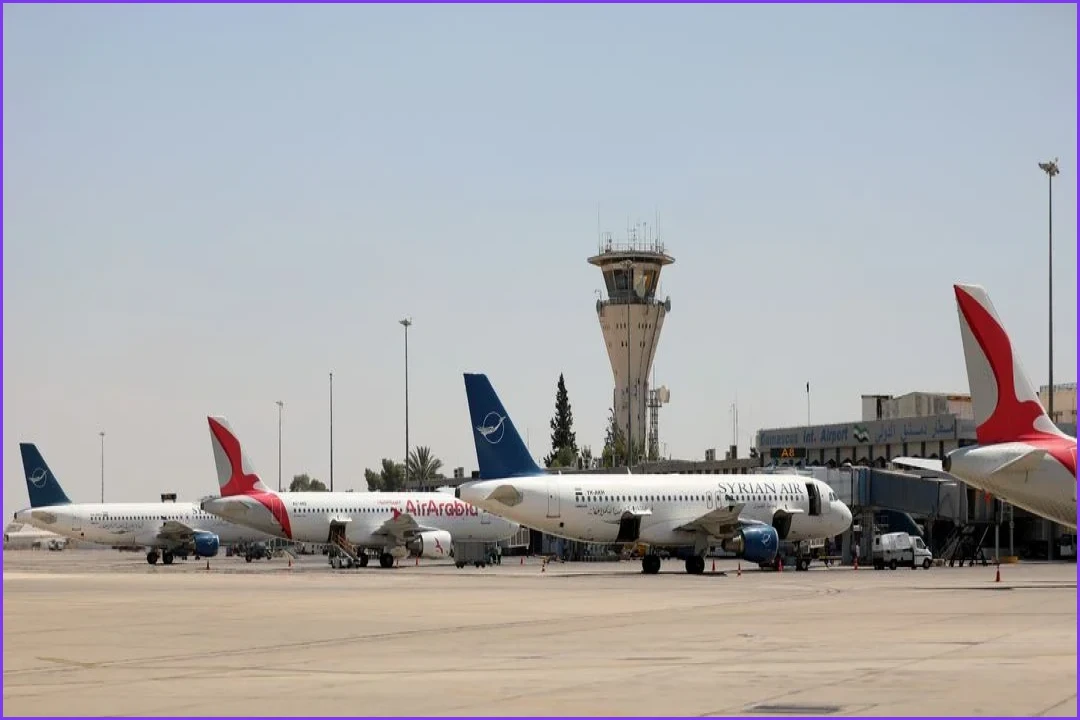
Syria previously reopened its air corridors and resumed operations at Damascus International Airport in April following temporary closures caused by regional tensions. Al-Hosari reiterated that restoring Syria’s role in international air navigation is a strategic priority, as the country expects increased air traffic to bolster economic activity and attract investment into its civil aviation sector. While the ICAO action provides a path toward closer integration with global aviation networks, any broader recovery remains dependent on individual airline assessments and the eventual removal of remaining operational hurdles.