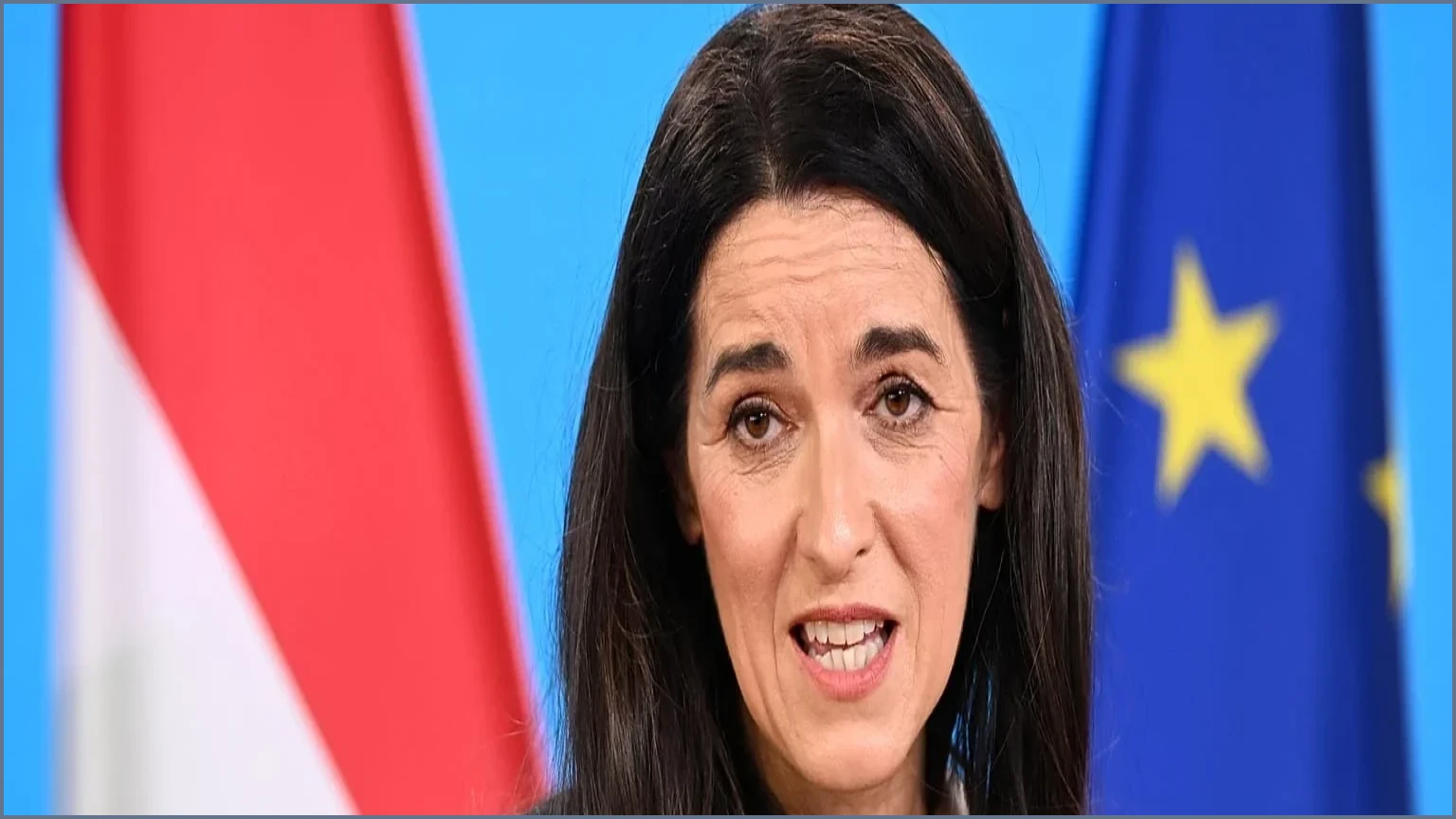
The Hungarian government has formally ordered 10 Russian diplomats to depart the country, citing activities that it describes as "unacceptable for diplomats." Hungarian Foreign Minister Anita Orbán announced the decision via a social media post, confirming that the Ministry of Foreign Affairs had notified the Russian ambassador in Budapest of the government's assessment.
According to the official statement, these 10 employees of the Russian mission engaged in conduct that violated the Vienna Convention. While the government has not provided specific details regarding the nature of the alleged misconduct, the move follows long-standing international and domestic concerns that Hungary has functioned as a hub for Russian intelligence operations. Foreign policy expert and former diplomat István Szentiványi stated that the expulsions are directly linked to espionage and represent a clear policy shift in Budapest. He characterized the action as a strong signal that Hungary no longer intends to serve as a center for Russian intelligence-gathering in Central Europe.
Despite the high-profile expulsion, Foreign Minister Orbán emphasized that this decision does not constitute a total severance of diplomatic relations with Russia. She noted that Hungary remains committed to maintaining a necessary dialogue with Moscow, provided it is based on mutual respect and adherence to established rules. This action aligns with a new foreign policy doctrine adopted by Hungary last month, which formally identified Russia as a security threat to the country.
The Russian government responded swiftly to the announcement. Maria Zakharova, spokeswoman for the Russian Foreign Ministry, told journalists on Tuesday that the response to the expulsions would be "harsh and painful," while describing the Hungarian government's actions as the work of a "Russophobic lobby in Budapest."
Concerns regarding the scale of Russian intelligence activity in Hungary have persisted for years, often linked to the 16-year rule of former prime minister Viktor Orbán, who maintained close ties with Russian President Vladimir Putin. Reports from the Russian investigative outlet Agentstvo published last week claimed that at least 15 of the 47 staff members at the Russian embassy in Budapest have links to intelligence services, with six others suspected of similar connections. Furthermore, in 2022, the investigative site Direkt36 revealed that Russian intelligence services, specifically the FSB and GRU, had compromised the Hungarian foreign ministry's IT systems for several years. Although the government initially denied the breach, it admitted two years later that it had occurred. Under the current administration of Prime Minister Péter Magyar, which secured a landslide election victory in April, the government has pledged to end close cooperation with the Russian regime.