A recent vote in the House of Representatives regarding foreign aid has underscored a growing divide within the Democratic Party. The amendment, introduced by Republican Representative Thomas Massie of Kentucky, sought to eliminate $3.3 billion in assistance currently designated for Israel. Massie, who has a history of opposing foreign aid, offered the proposal as an addition to the annual State Department appropriations bill, which the House subsequently passed on Wednesday.
The effort was ultimately defeated in a 104-314-10 vote. While Massie stood as the only Republican to support the measure, the Democratic caucus was deeply split. A total of 103 Democrats voted in favor of the amendment, while 98 voted against it and 10 voted present. This lack of consensus marks a departure from the typical unity seen among Democratic leadership.
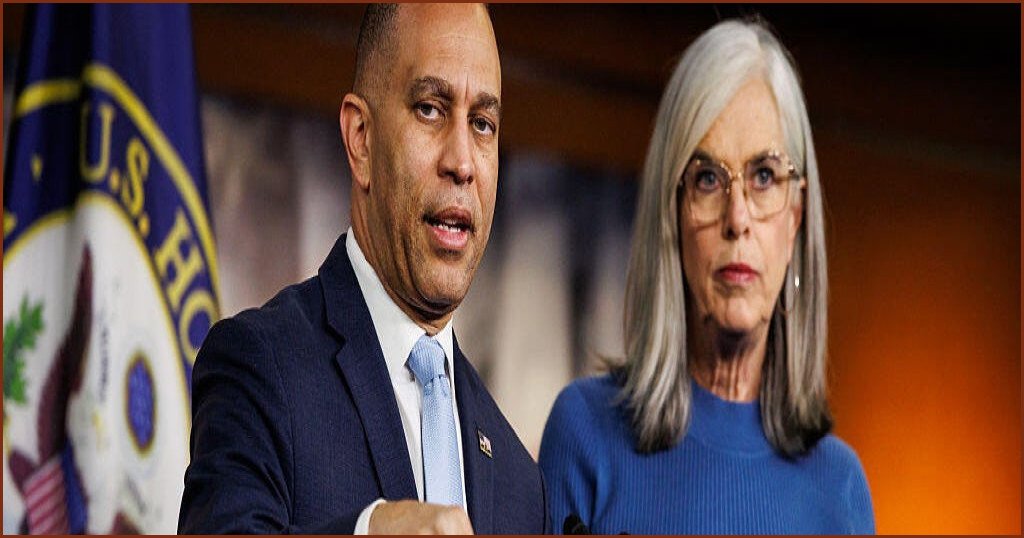
House Minority Leader Hakeem Jeffries acknowledged the diverse perspectives within his party, stating that leaders would not pressure members to vote in a specific direction. Jeffries also advocated for a "major reset" in the relationship between the United States and Israel.
The shift in sentiment was highlighted by Democratic Whip Katherine Clark of Massachusetts, who announced her intention to vote in favor of stripping the aid. Clark argued that the existing situation is no longer sustainable. She stated that while she does not necessarily align with the entirety of the amendment or the motivations behind the Republican push, she believes a change in course is necessary. She emphasized that despite differing decisions on the amendment, Democratic members remain unified in their pursuit of permanent peace.
The political friction reflects broader challenges facing Democratic candidates, for whom stances on Israel have become a central issue during recent primaries. Several incumbent Democrats known for their support of Israel have been unseated by progressive challengers critical of the U.S. ally. Representative Greg Casar of Texas, chair of the Congressional Progressive Caucus, defended the vote despite concerns regarding the potential loss of humanitarian aid. Casar argued that prioritizing the reduction of military funding was paramount, noting that more Democrats than ever supported stopping funds for Benjamin Netanyahu's government. He characterized the vote as a victory for Americans who have called for an end to U.S. support for the Israeli military's actions.
"I will be voting yes, not because I agree with the entirety of the amendment, or the GOP's cynical motivations for its consideration, but because I believe we must change course. While Democratic members will make different decisions on this amendment in good faith, we are absolutely united in our shared goal of permanent peace," she said in a statement.