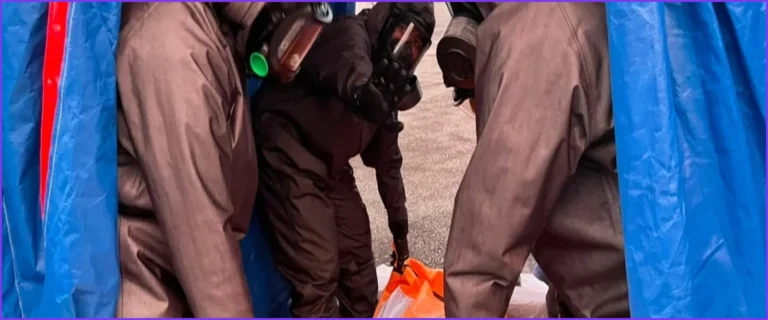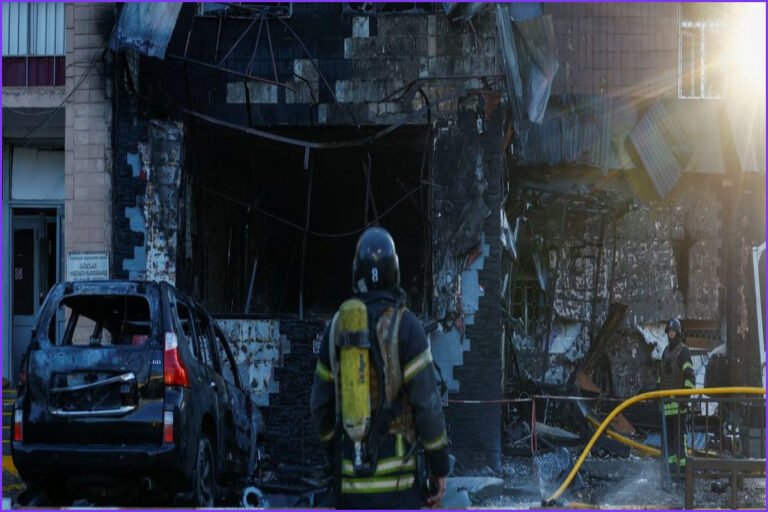
The Kumamoto prefectural government has confirmed that the powerful earthquake that struck southwestern Japan earlier this week has now claimed at least 25 lives. Two days after the magnitude 7.1 tremor hit the southern main island of Kyushu on Tuesday, rural communities are struggling to return to normalcy as time runs out for rescuers to find survivors in the wreckage.
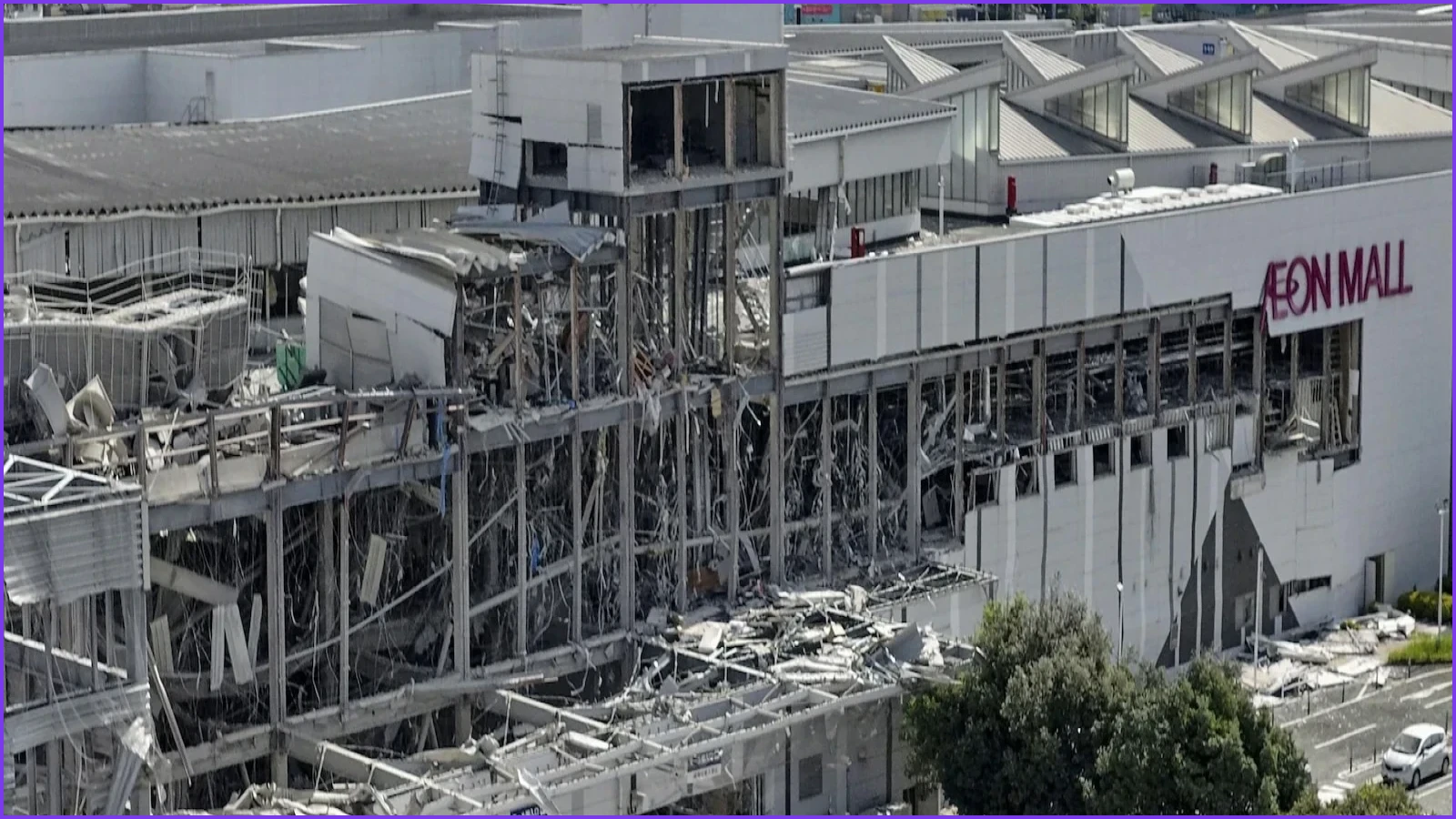
The disaster caused widespread destruction, including a factory chimney collapse at a Nippon Paper Industries facility in the Yatsushiro area. According to the Kumamoto prefectural government disaster team, 10 people were rescued from that site, but eight others died and one person remains missing. In another incident, a powerful explosion occurred at a mall after the earthquake, where the second floor collapsed while people were still working. Authorities reported that 11 people were pulled from the mall wreckage, with six confirmed dead as of early Thursday.
Thousands of residents spent another night in approximately 400 evacuation centers, such as gymnasiums and other large public spaces. With nearly 19,000 homes still lacking electricity and many others without water, thousands of people are afraid to return to their homes due to the threat of aftershocks. Officials are working to add power sources to shelters to provide air conditioning, as concerns grow regarding the health of evacuees. The Ministry of Environment has issued a heatstroke alert for the Kumamoto area, with temperatures expected to climb as high as 33 C (91 F) on Thursday.
In the town of Hikawa, one of the most severely impacted areas, many residents are living in their vehicles in parks or at the town hall parking lot. Officials have been distributing bottled water and packaged instant rice at the town hall entrance, with Ground Self-Defense Force members assisting in the delivery of fresh water. Yuzuru Tamura, a town official, noted that emergency food supplies like canned bread and instant rice are beginning to run low. While the town parking lot was crowded initially, some residents have since moved to three public schools that have functional air conditioning.
Local residents are facing difficult conditions. Yoshiaki Nakashima, a 66-year-old resident, said he prefers sleeping in his car with his dog rather than staying at an evacuation center, noting that he feels uneasy about returning home due to aftershocks. Another resident, Akiko Inazaki, is living in a tent in her yard because her home lacks water and electricity. She described fresh water as extremely valuable, noting that she had been rationing it so strictly that she nearly suffered a heatstroke.
Medical professionals are also on the ground to monitor the situation. Dr. Yutaka Kobayashi, a physician dispatched from Aichi prefecture, is touring evacuation centers to assess the health of evacuees, particularly the elderly and those with injuries. He emphasized the need to prevent heatstroke and dehydration in such a harsh environment. Prime Minister Sanae Takaichi told reporters that the central government is taking a lead role in coordinating rescue efforts. She stated that the primary focus remains on restoring electricity, gas, and water, while ensuring a consistent supply of fresh water to the affected populations. Government and military footage continues to show rescue workers drilling through collapsed buildings in a persistent effort to reach anyone who may still be trapped.