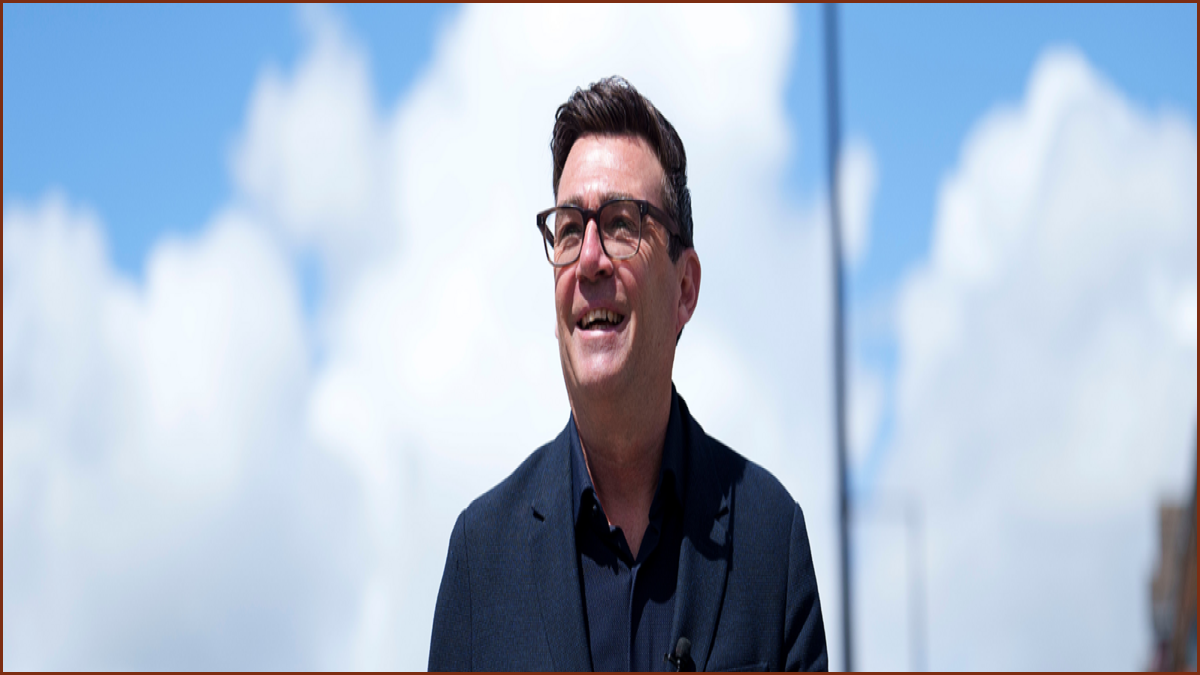
Andy Burnham is poised to become the next Prime Minister of the United Kingdom, a transition that has prompted international observers in Europe, Russia, Ukraine, and Asia to reflect on the potential implications for their respective relationships with London. As the fifth UK prime minister since Russia’s full-scale invasion of Ukraine in February 2022, Burnham enters the role as a relative unknown on the global stage, presenting both distinct risks and potential opportunities for his administration.
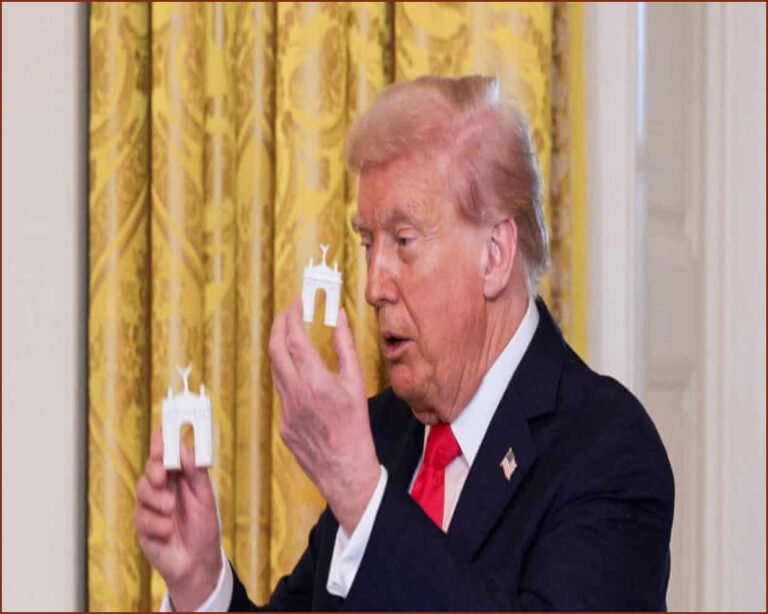
In the United States, the reaction from Donald Trump has been notably dismissive. Trump appears unconvinced that a Burnham premiership will address his primary criticisms of the outgoing Starmer government, specifically regarding immigration policies and North Sea oil and gas drilling. US administration officials are already exerting pressure on the incoming team, expressing concerns that the potential appointment of Ed Miliband as Chancellor of the Exchequer would signal no change in environmental policy, given Miliband’s previous ban on new drilling licences as energy secretary. While Trump and Sir Keir Starmer maintained a surprisingly warm relationship, Trump currently views Burnham as little more than a "mayor of a town" and suspects him of being "extremely liberal." US officials are hoping for continuity in foreign policy, including the retention of Yvette Cooper as Foreign Secretary. Furthermore, while the UK has increased defense spending under Starmer, Trump and top US security officials are pushing for even higher commitments, while tensions regarding US access to British military bases during the Iran War remain unresolved. For Burnham, the challenge lies in whether he can initiate a successful charm offensive to win over Trump, or if their political differences on issues like military spending, digital service taxes, energy extraction, and trade will define the relationship before a personal connection can be established.
Beijing is also monitoring the situation closely. Chinese officials previously hosted Starmer for a tour of the Forbidden City and a lavish banquet, part of a charm offensive aimed at positioning China as a stable, predictable partner compared to the US. However, there is palpable frustration in Beijing regarding the frequency of political change in London. Some Chinese analysts, such as Zhang Jian from the China Institutes of Contemporary International Relations, interpret the turnover of UK prime ministers as evidence of an "identity crisis" following Brexit. It remains to be seen whether Burnham will adopt a pragmatic approach similar to Starmer—who was the first UK prime minister in eight years to visit Beijing—or if he will chart a different course, particularly given his past praise for China’s high-speed rail network as a model for Northern England.
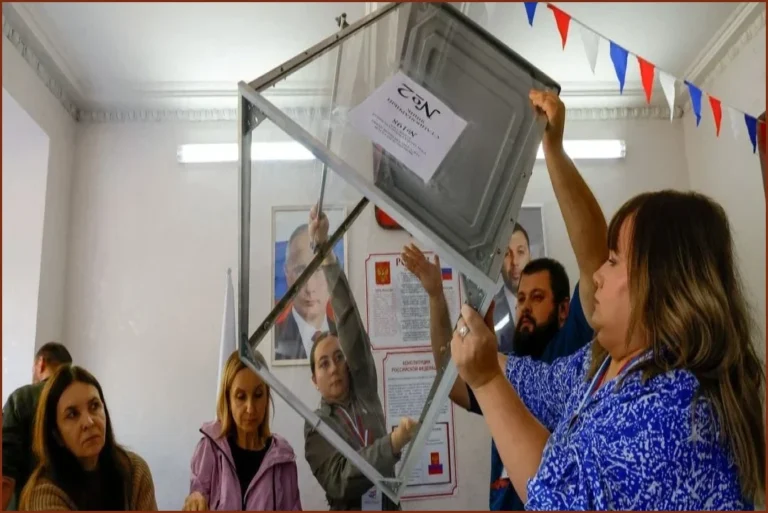
In Moscow, the UK is frequently characterized as the Kremlin's "enemy No 1," a status attributed to Britain's consistent military and financial support for Kyiv and the warming relations between the US and Russia during Trump’s second term. Russian state media has begun focusing on the incoming Prime Minister, with the government publication Rossiyskaya Gazeta describing Burnham as a "consistent critic of Russia" who has repeatedly called for a tougher Western stance. On social media last month, Burnham highlighted his opposition to Russia’s 2014 invasion of Crimea, his opposition to Russia hosting the 2018 football World Cup, and his support for Ukraine since 2022. Dmitry Peskov, the spokesman for President Vladimir Putin, stated that the Kremlin does not expect a change in Downing Street to alter British policy, noting that Starmer "hasn't distinguished himself" and that the Kremlin views relations as being at the "very lowest level." Peskov remarked that it is unlikely anyone on the British political scene would hold a different position than Starmer regarding bilateral relations.
Ukraine, meanwhile, is focused on the necessity of continued support. As the country enters the fifth year of its full-scale war, it is preparing to work with its fifth UK prime minister. There is some concern in Kyiv regarding the potential for political instability in Britain, as Ukraine relies on the UK to maintain its military aid, drone deliveries, and economic support. While Burnham’s broader foreign policy priorities remain unclear, there is no indication that he would waver from the commitment to support Ukraine for "as long as it takes." From Kyiv's perspective, it is vital that the new Prime Minister remains committed to recognizing the threat Russia poses to the West and continues to assist in the defense of Ukraine and Europe.
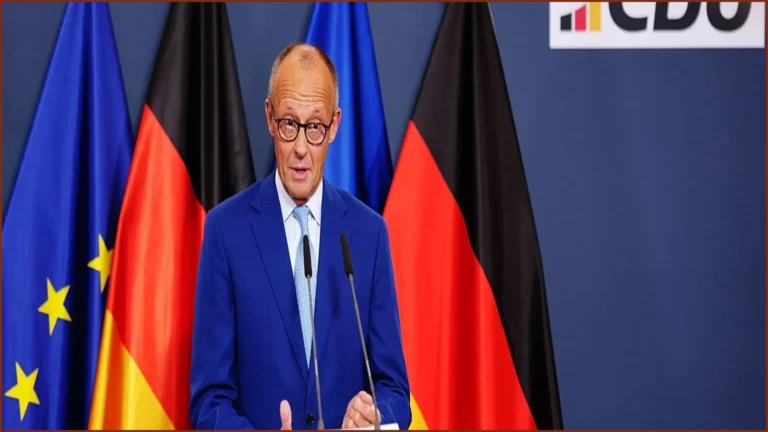
Across the English Channel, European allies view the UK’s political volatility as a shared experience, noting that governments in countries like France, Germany, and Denmark are also facing turbulent times. European nations are curious to see if Burnham will pursue the "reset" of economic relations initiated by Starmer, or if he will maintain Labour’s red lines, such as refusing to rejoin the EU customs union or single market. Additionally, European allies are watching to see if the UK will honor its NATO commitment to increase defense spending to 3.5% of GDP by 2035. In France, the government is hoping for stability, with Foreign Minister Jean-Noël Barrot wishing Burnham well. Paris expects a continuation of the effective coordination on issues like Ukraine and the Strait of Hormuz, as well as cooperation on stopping "small boats" and deepening defense ties.
In India, Burnham is largely an unknown quantity, though diplomats note that Delhi has become accustomed to the revolving cast of British prime ministers over the past decade. The Indian government, led by Narendra Modi, is primarily concerned with policy continuity rather than personality. The top priority for Delhi is keeping the UK-India free trade agreement, scheduled for implementation in July, on track, alongside monitoring potential changes to immigration rules for Indian students and skilled workers.
A pro-EU campaigner holds up a sign of Andy Burnham outside Parliament
Healthcare, visas and whisky: What did UK and China get from Starmer's visit?