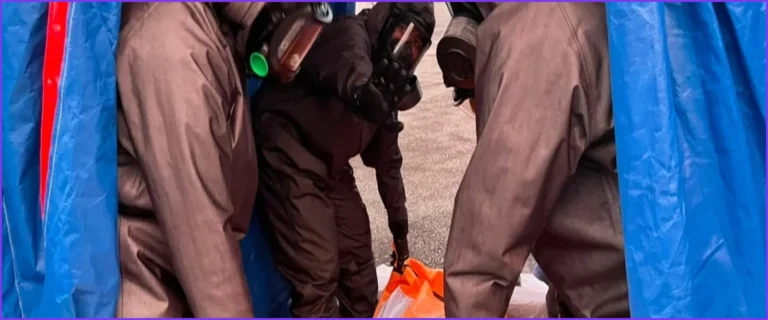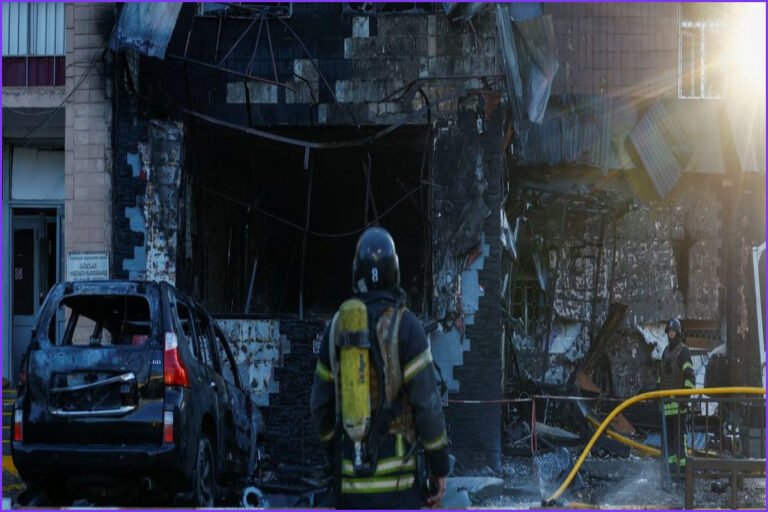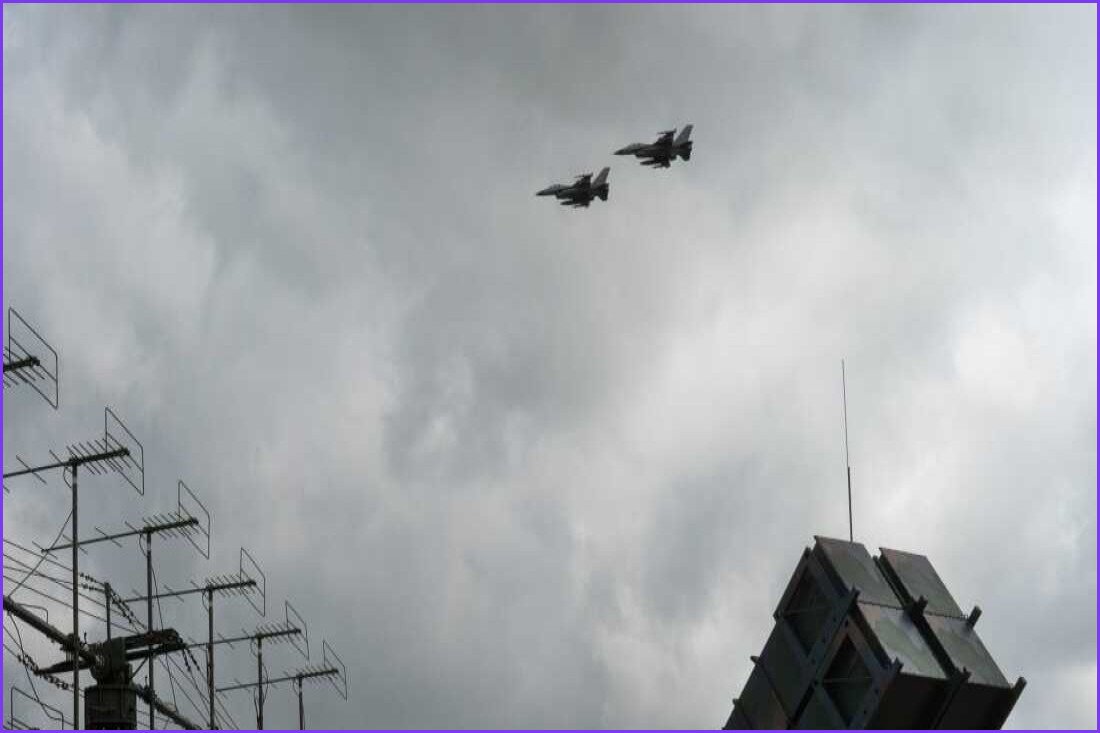
A massive Russian air assault against Ukraine before dawn on Saturday, August 4, 2024, resulted in the deaths of nine people and left more than 30 wounded. The attack, which involved 27 ballistic missiles, many of which targeted the capital, Kyiv, underscored a growing vulnerability for the Ukrainian military. President Volodymyr Zelenskyy reported that his forces were only able to intercept one of the incoming missiles, explicitly citing a lack of available interceptors for the U.S.-made Patriot air defense systems. The Ukrainian leader noted on social media that the system is the country's only reliable defense against such ballistic threats, yet Ukraine has been largely helpless during similar onslaughts in recent weeks.
The supply crisis extends well beyond Ukraine. The United States is managing significantly declined stockpiles following its own involvement in the war in Iran, which began on February 28. Furthermore, U.S. allies in the Gulf region are increasingly concerned about their ability to secure additional Patriot missiles should their current inventories be exhausted during renewed fighting. While Defense Secretary Pete Hegseth dismissed news reports regarding a missile shortage as a "manufactured story" in June, he had acknowledged two months earlier that replenishing these stockpiles could take "months and years."
Data from the Center for Strategic and International Studies (CSIS) in Washington indicates that U.S. Patriot inventories dropped from more than 2,300 before the Iran war to approximately 800 today. While the exact number of interceptors remains classified, a U.S. official speaking on condition of anonymity confirmed that the CSIS figures appear accurate. The Patriot system, introduced in the 1980s and first tested during the 1991 Gulf War against Iraqi Scud missiles, is currently utilized by nearly 20 countries across Europe, Asia, and the Middle East.
The current rate of ballistic missile usage by Russian and Iranian forces has significantly outpaced the production capacity for Patriot interceptors. RTX, formerly known as Raytheon, manufactures the Patriot battery and its missiles, while Lockheed Martin also produces missiles for the system. Each interceptor costs approximately $4 million. Combined, these two companies have been producing fewer than 1,000 missiles annually, a pace that was sufficient until the recent surge in demand caused by the Russia-Ukraine and U.S.-Iran wars. Both companies plan to increase production, though the timeline for replacing or expanding global inventories remains unclear.
Rob Lee, a U.S. military analyst with the Foreign Policy Research Institute of Philadelphia, described the situation as a major stockpile problem with no immediate solution. President Zelenskyy has issued urgent pleas for other nations to provide their Patriot missiles, arguing they should be used to stop the Russian war rather than being held for "hypothetical scenarios." To date, no country has publicly pledged to send additional missiles to Ukraine. During a NATO summit in Turkey last month, President Trump told Zelenskyy he would provide a license for Ukraine to build its own Patriots, a topic the Ukrainian president subsequently discussed with Lockheed Martin. However, Trump backtracked last Friday, stating that the U.S. must be "very careful" about sharing such technology and that no agreement has been finalized.
Rep. Don Bacon, a Nebraska Republican and former Air Force general who serves on the House Armed Services Committee, expressed support for allowing Ukraine to build its own Patriots. He noted that enabling such production would help relieve the current shortage and criticized the White House for its cautious approach, stating, "I wish the president was more of a Reagan or Churchill when it comes to Russia." Even if a license were granted, officials and analysts warn that supply chain constraints for missile components mean it would likely take several years for new production lines to become operational. Currently, only Germany and Japan hold U.S. licenses to manufacture Patriots.
The U.S. is also facing a shortfall in its THAAD (Terminal High Altitude Area Defense) interceptors, a highly advanced system shared only with Saudi Arabia and the United Arab Emirates. According to the CSIS report, U.S. stockpiles for THAAD missiles have decreased from approximately 450 before the Iran war to about 250 today.