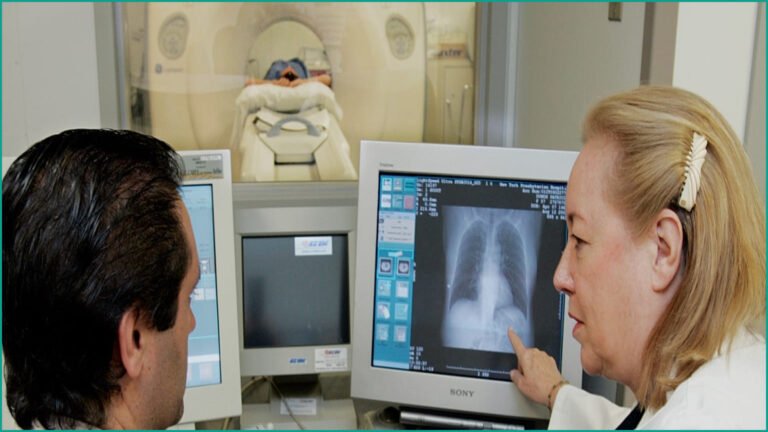
A fifth individual has passed away due to a Legionnaires' disease outbreak centered in Manhattan’s Upper East Side, New York City health authorities confirmed on July 21. The city's health department stated that at least 82 cases have been identified in the neighborhood. As of the latest update, eight patients remain in the hospital, while 56 individuals have been successfully discharged.
Investigations by the health department identified cooling towers in the area as the primary source of the infection. Testing revealed that 34 cooling towers across 33 buildings were positive for live Legionella bacteria, the pathogen responsible for the condition. Officials confirmed that all identified towers and buildings, regardless of whether they tested positive for live or dead bacteria, have undergone thorough cleaning procedures. Results for an additional 140 cooling towers that have been tested are expected to be available within the coming week.
NYC Health Commissioner Dr. Alister F. Martin stated that the city has responded aggressively to the cluster. He expressed confidence that the combination of testing and remediation efforts has successfully eliminated the source of exposure. Encouragingly, the health department noted that no new cases have been diagnosed in the last six days, and no residents have reported new symptoms in over 10 days.
Legionnaires' disease is a severe form of pneumonia caused by Legionella bacteria, which thrive in warm water environments. Infection typically occurs when individuals inhale tiny droplets of contaminated water, such as those emitted from cooling towers, decorative fountains, or hot tubs. According to the Centers for Disease Control and Prevention, the bacteria do not spread from person to person but can be transmitted through building water systems. While incidences of the disease have generally risen since 2000, peaking in 2018, health officials are urging anyone who was in the affected area to monitor their health for flu-like symptoms.