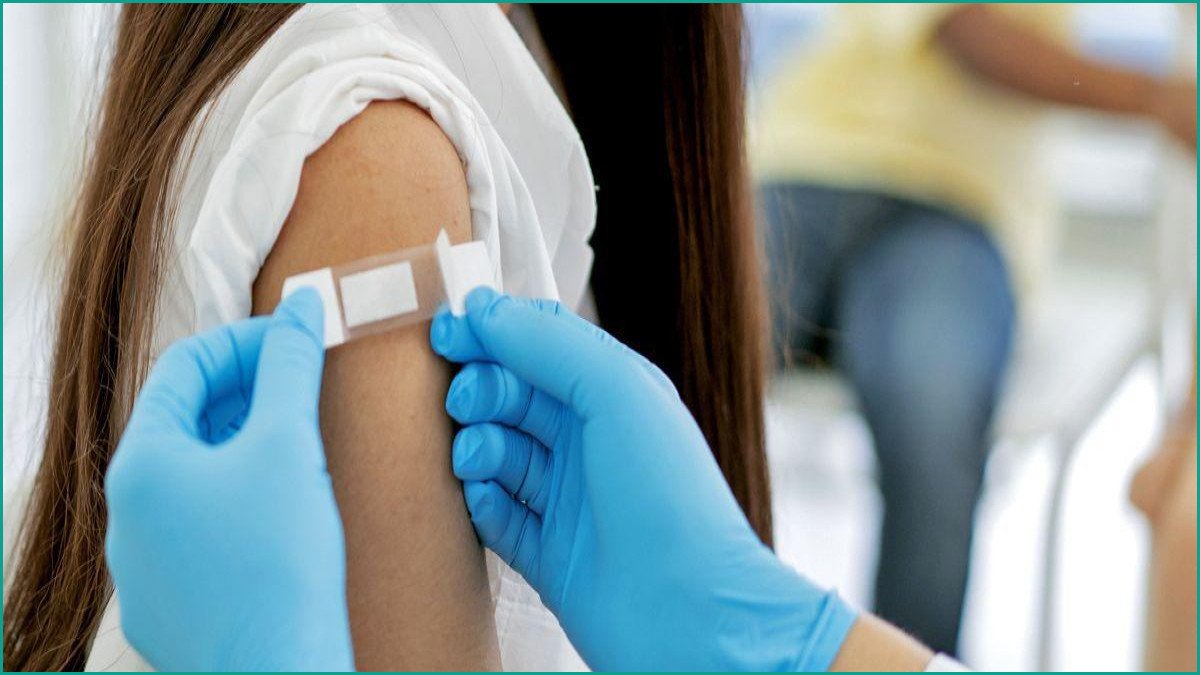
A group of UK health experts has recommended that all teenagers should be offered a free vaccine against meningitis B (MenB) at approximately 15 years of age. This new proposal marks a significant shift from previous advice, which had previously deemed such a program unnecessary or not cost-effective. The Joint Committee on Vaccination and Immunisation (JCVI), the advisory body behind the recommendation, stated that the decision is based on recent new evidence regarding the disease. The committee is now asking the government to consider introducing these jabs routinely for secondary school-aged people to better protect them against a disease that can be deadly.
Prof Wei Shen Lim, chair of the JCVI, described invasive meningococcal disease as a rare but extremely serious illness that can have a devastating impact on lives. He noted that the committee collaborated closely with meningitis charities and expressed gratitude to all those who responded, including those speaking on behalf of loved ones who sadly died or suffered from life-changing complications. Their lived experiences were carefully considered during the review process. These complications can include severe, life-changing disabilities such as brain damage, hearing loss, and amputations, and in some cases, the infection can be fatal.
The recommendation follows concerns over the UK's largest and fastest-growing outbreak of the disease, which occurred in Kent earlier this year and resulted in two deaths. Since that event, some parents have been purchasing the vaccine privately for their teenage children. To achieve the fullest protection, the JCVI specifies that two doses are required. If the government accepts this advice, individuals who received the vaccine as infants would only require a single top-up dose during their teenage years, rather than two.
Currently, the UK NHS childhood immunization program provides the MenB vaccine to babies born on or after 1 July 2015, as infants are more likely to contract invasive infections and their bodies are less capable of fighting them off. However, this means that teenagers and young adults over the age of 11 have not received this jab. Because the infection can be spread through close contact, such as kissing or sharing vapes and drinks, experts argue that routine vaccination for secondary school-aged individuals is necessary to improve protection.
As a precautionary measure, a one-off vaccination campaign is already being launched across the UK this summer, offering free MenB jabs to young people who are heading off to university for the first time. This initiative aims to protect those at the highest risk and hopefully prevent a repeat of the outbreak seen in Kent.