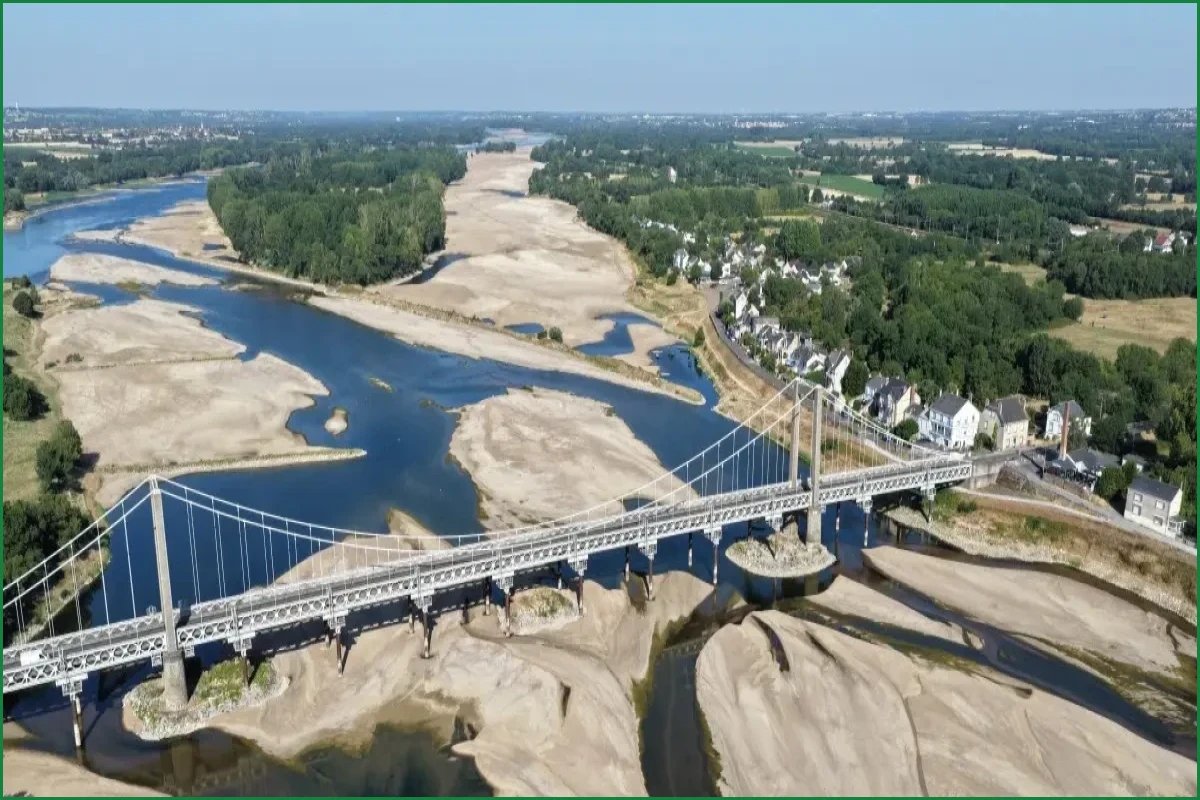
For generations, summer in Europe was synonymous with languid, sunny days on beaches and terraces. However, in 2026, the brutal reality of climate change has fundamentally altered daily life. Cyril Chedeville, a 59-year-old resident of Bordeaux in southwestern France, described the experience as having a sense of the apocalypse.
Since May, the continent has been subjected to successive heat spells, with temperatures frequently soaring to 40C and above, triggering a cascade of drought and destructive wildfires.
Temperature records have been shattered across the continent. While historically hot regions like Spain and Italy faced extreme conditions, normally cooler countries also saw unprecedented highs, with Slovakia reaching 42.2C and Denmark hitting 37C.
France has experienced particularly relentless conditions; by August 19, the country had endured 52 days of heatwave conditions since mid-June, with only a few brief respites.
Ayse Gurbuz, a 25-year-old student in Lyon, noted the exhaustion of the cycle, stating that the heatwaves simply do not stop. In Paris, where air conditioning is uncommon, residents have resorted to taping foil survival blankets over windows to block the sun, a measure one retiree, Djamila, compared to the isolation of the Covid pandemic.
The heat has proven deadly, with a provisional toll estimating 32,000 excess deaths across Europe between mid-June and mid-August. Beyond the physical toll, the psychological impact is significant; a study by France's OBESCA monitor found that 2.6 million people are suffering from eco-anxiety, defined by feelings of pessimism, existential dread, and social isolation linked to climate change.
The extreme weather has fueled a vicious cycle of drought, storms, and wildfires. By August 12, fires had devastated nearly 600,000 hectares, or 1.5 million acres, across the continent. In Spain, Maria Angeles Canete, 54, lost two campsites to flames in the mountains west of Madrid, describing the loss as the worst thing that could happen in life.
Even countries typically known for mild, wet climates, such as Belgium and Scotland, have battled significant fires, with Belgium experiencing its largest wildfire in a century.
Drought has emerged as a creeping disaster. By the end of July, half of the continent was affected, with France, Switzerland, Austria, and Slovenia reporting record-low soil moisture. British farmer John Pawsey, 62, from Sussex, reported that his entire quinoa crop failed as the land dried out, leaving only weeds like docks and thistles.
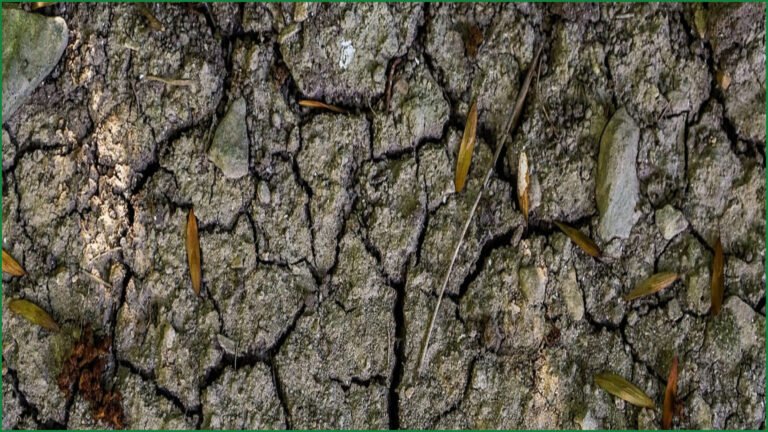
Major rivers, including the Rhine, the Danube, and the Loire, have been reduced to fractions of their normal flow, leaving behind cracked earth and dead fish while disrupting economies.
Romania, Bulgaria, and Hungary were forced to shut down or curtail nuclear power plants because the Danube was too low to provide cooling, while France and Switzerland also reduced nuclear output due to high river temperatures or low water levels. In Germany, the Rhine’s low levels forced the closure of river ports, causing logistical chaos.
Marine temperatures have also reached record levels, with the Mediterranean hitting 27C in July. The World Weather Attribution group noted that some Mediterranean areas recorded sea surface temperatures more than 6C warmer than normal during the hottest two weeks of the month.
Jean Jouzel, a scientist and former vice-chair of the United Nations' IPCC, stated that these events were predicted by the scientific community for thirty years. He warned that Europe is heading for catastrophe if greenhouse gas emission curves are not bent.
The question is what comes next. Can Europe adapt?