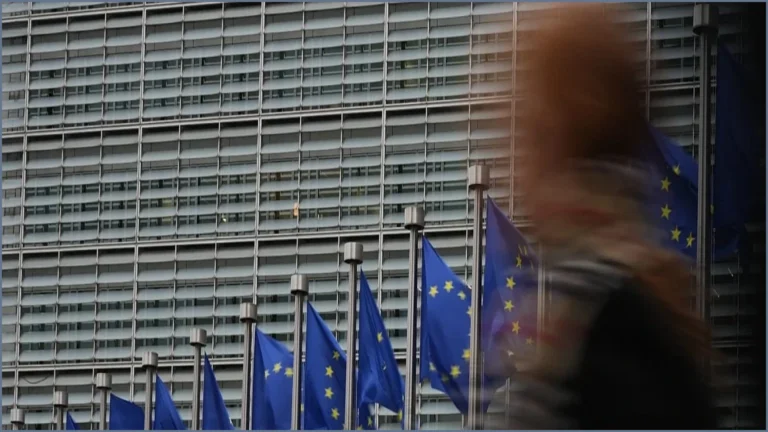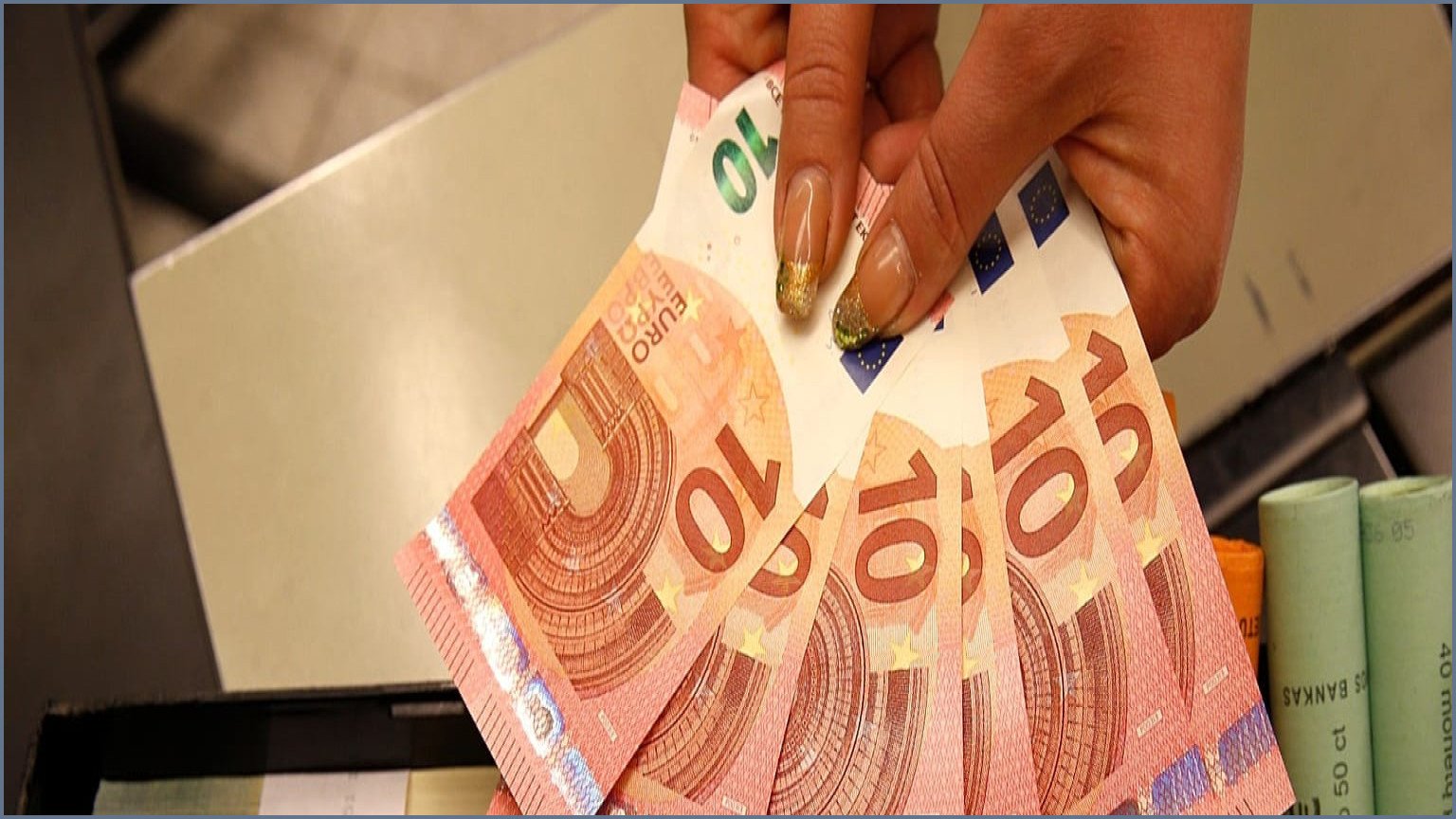
Senior European Union officials are doubling down on the necessity of implementing substantial new EU-level taxes to finance the bloc's long-term budget, despite ongoing skepticism from the group of member states known as the "frugal" nations. The debate surrounding these new "own resources," which are a central component of the Multiannual Financial Framework—the bloc's €2 trillion long-term budget for 2028–2034—dominated the informal meeting of European Affairs Ministers held in Dublin on Thursday and Friday.
Benjamin Haddad, the French Minister for European Affairs, emphasized the urgency of the situation on the sidelines of the meeting. He stated that the issue of own resources is an absolute prerequisite for the adoption of the budget. According to Haddad, the priority remains a package of own resources that aligns with the European Commission's initial proposal, focusing on revenue streams that rely on actors outside the European Union to generate the necessary funds for the Multiannual Financial Framework.
Pressure for an ambitious budget supported by these new taxes has intensified since negotiations resumed following the summer recess, particularly after a gathering of the "frugal" countries in Berlin last week. These nations, which comprise the EU's largest net contributors, are pushing for an overall reduction in the budget's volume and remain skeptical that own resources will generate significant revenue. This perspective is rejected by member states such as France and Spain, as well as by leading EU institutional figures who argue for an ambitious budget underpinned by these new resources.
Spain's Secretary of State for the EU, Fernando Sampedro, argued that the European Union must have genuine and new own resources to raise the level of ambition of the budget, while also considering the rollover of The Next Generation EU. Sampedro noted that current challenges are greater than in the past, asserting that the bloc cannot do more with less. He stated that it is time to deliver, which involves an ambitious budget achieved through own resources, new joint debt, and the rollover of current debt.
European Council President António Costa, during a visit to Cyprus on Friday, confirmed that a balanced and ambitious package of new own resources will be an essential part of an overall agreement. Meanwhile, the European Parliament is calling for a 10% increase to the budget's main headings and wants the repayment of the recovery fund—the loans used to fund the bloc's recovery from the COVID-19 pandemic—kept off-budget. MEP Carla Tavares noted that working on new own resources is vital to support new priorities such as competitiveness, security, and defense, alongside traditional policies like cohesion, agriculture, and fisheries.
European Commissioner for the budget Piotr Serafin stressed on Friday that a transformation of the European economy is required if Europeans want the continent to determine its own destiny. He highlighted the need to invest in competitiveness, noting that own resources are necessary to power an ambitious budget that encourages investment in both strategic and traditional sectors. The European Parliament has proposed three alternative ideas that the Commission estimates could yield up to €11 billion a year.
President Costa is currently touring Europe to discuss the budget with member states. In the first two weeks, he met with leaders from Slovakia, Estonia, Lithuania, Latvia, Czechia, Luxembourg, Croatia, Hungary, Romania, Bulgaria, Greece, Cyprus, and Slovenia. Next week, he will meet leaders in Poland, Germany, Malta, Spain, Portugal, and Finland. He will not visit Sweden, which is heading to the polls on 13 September. The tour is intended to sound out countries' "red lines" to help Costa gauge the limits of the budget negotiations. Irish Minister for European Affairs Thomas Byrne stated at a press conference on Friday that the message to all stakeholders is clear: an agreement on the next long-term EU budget is needed by the end of the year. The Irish government is expected to propose a new compromise text before mid-October, when EU leaders gather in Brussels for the European Council.