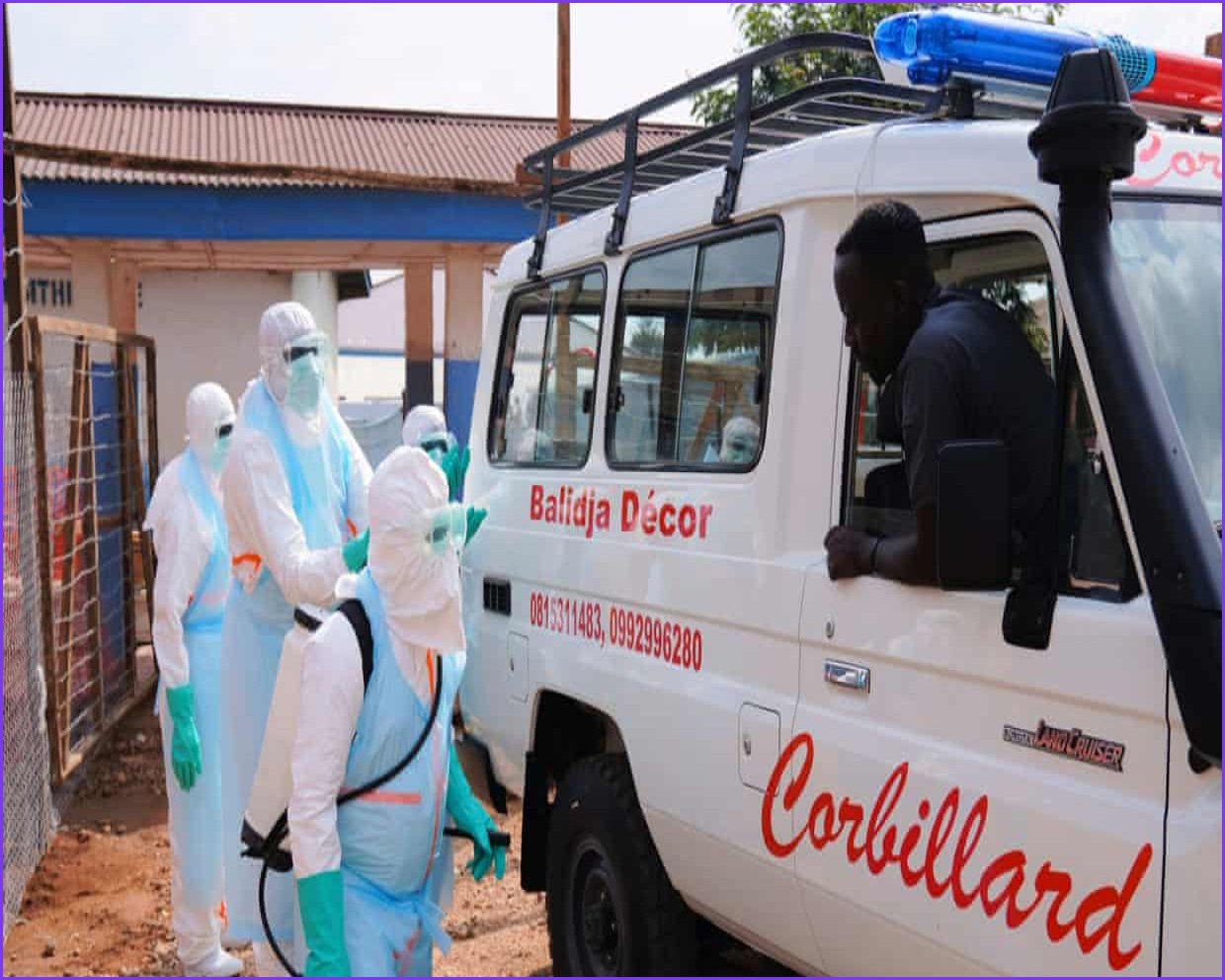
The Ebola epidemic currently spreading through the Democratic Republic of the Congo (DRC) has officially become the deadliest in the nation's history. Official government data confirms that at least 2,325 people have died from the virus, surpassing the death toll recorded during the 2018-20 outbreak. According to the DRC's public health institute, confirmed cases have climbed to 4,945, with 101 new infections identified within the last 24 hours.
International health authorities are expressing deep concern regarding the trajectory of the crisis. The World Health Organization (WHO) has stated that the current outbreak is on track to exceed the 2014-16 west Africa epidemic—which impacted Guinea, Liberia, and Sierra Leone—as the largest in history. That previous crisis resulted in 28,616 cases and 11,310 deaths. On Friday, the United Nations reported that the epidemic is effectively "winning" in the DRC, claiming one life every 30 minutes.
While the virus has reached six of the country's 26 provinces, the northeastern border regions remain the most heavily impacted. Ituri province alone has documented over 3,400 cases, marking it as the initial and primary site of the outbreak. The current surge is driven by a rare Bundibugyo strain of the virus, for which there are no currently approved vaccines or treatments. Despite these challenges, approximately 1,000 individuals have recovered, while 730 patients remain in isolation or healthcare facilities.
Efforts to contain the virus are ongoing, with clinical trials for two potential treatments launched last month in Ituri. WHO Director-General Tedros Adhanom Ghebreyesus recently confirmed that two vaccines developed for the Bundibugyo strain are now undergoing human trials. However, public health specialists, including Thomas Parisch of Médecins Sans Frontières, note that the case fatality ratio remains high because many patients are identified too late for treatment to be effective. Many individuals are only diagnosed after dying within their communities.
Local community resistance remains a significant barrier to the response. Attacks on healthcare facilities, coupled with misinformation regarding safe burial practices and strikes by unpaid health workers, have severely hampered medical operations. Many residents, such as Flavier Ngurima of Nizi, report that families often avoid treatment centers due to fear. Jean-Paul Malo Lotsima, a civil society official in the Djugu area, explained that many patients initially mistake symptoms for poisoning or other illnesses, seeking hospital care only when their condition has become critical.
The WHO reported that more than 70% of fatalities occur within the community rather than in formal health centers. While Uganda previously reported 20 cases, the country was declared Ebola-free on July 28 following the discharge of the final patient, with no evidence of community transmission. The WHO declared the outbreak a public health emergency of international concern in May, noting that genomic sequencing indicates the virus had been circulating since February.