Over the last decade, wildfires ravaging landscapes across Europe have claimed hundreds of lives, and experts warn that the ongoing effects of climate change are poised to drive this death toll even higher. According to the European Union’s Copernicus Climate Change Service, Europe currently stands as the fastest-warming continent globally, with temperatures rising at twice the global average rate since the 1980s.
Scientists attribute the increasing frequency and intensity of these heat-driven events to climate change, fueled by the burning of fossil fuels such as coal, oil, and gasoline.
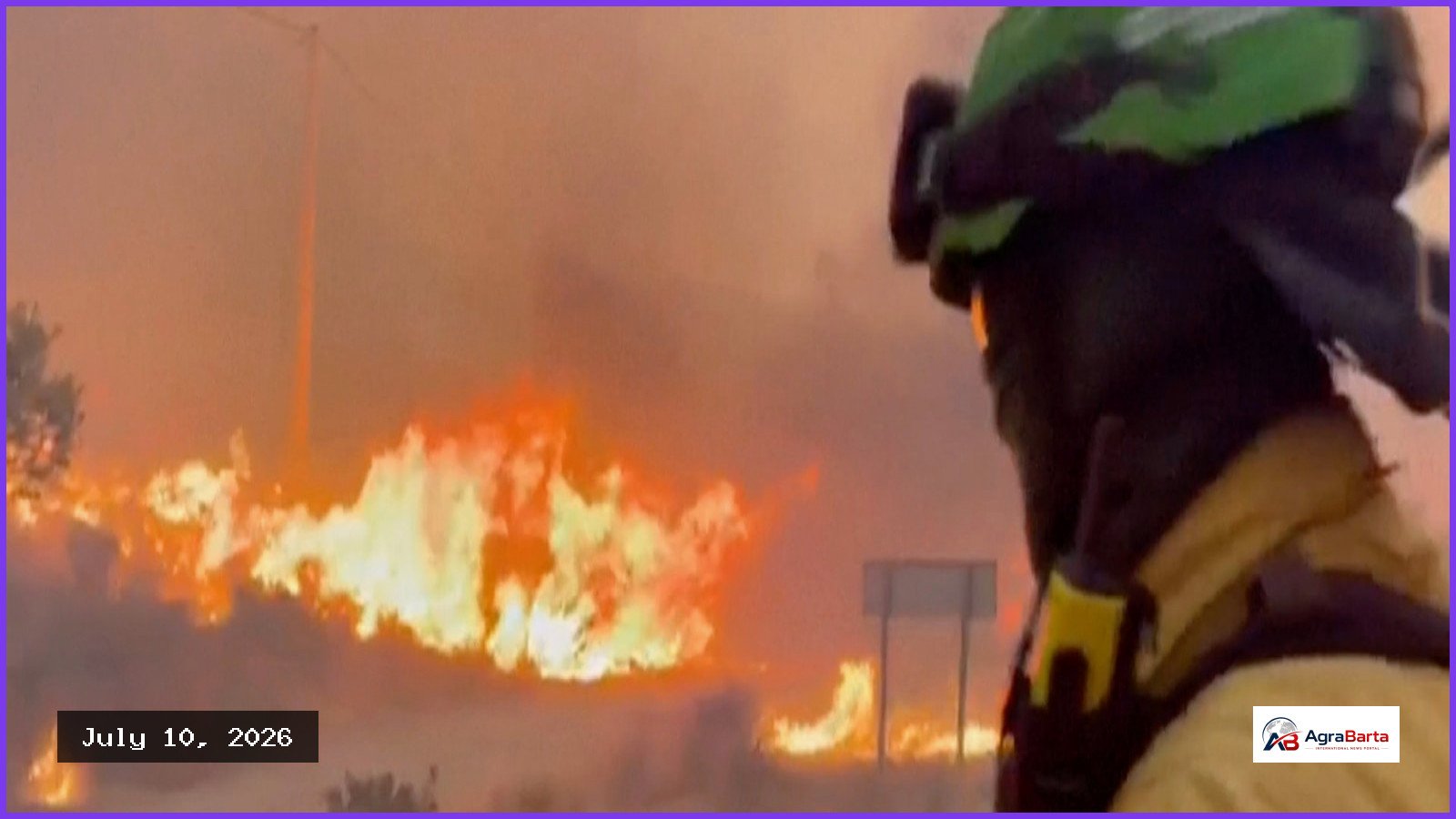
The current situation remains critical, as evidenced by a recent wildfire in southern Spain that killed at least 11 people between Thursday night and Friday morning. This tragedy occurred amidst soaring temperatures, marking it as one of the deadliest fire incidents in the country's history.
These conditions reflect a broader trend; 2025 was recorded as the third-hottest year globally, resulting in intense heat waves throughout Europe.
Historical data highlights the devastating impact of these fires. In 2018, Greece experienced its deadliest blaze in the seaside town of Mati, east of Athens. The fire trapped residents in their homes and on roads, resulting in over 100 deaths, including individuals who drowned while attempting to escape into the sea.
More recently, in 2023, Greek wildfires claimed over 20 lives, including 18 migrants trapped in a forest in the country's northeast. Just last week, a 12-year-old boy and his father also lost their lives in a northern Greek wildfire.
Turkey has also faced significant losses. Last July, 10 firefighters and rescue workers, including members of the AKUT organization, were killed in the Eskisehir province. Forestry Minister Ibrahim Yumakli noted that a sudden wind shift trapped the workers.
Among the victims were a 28-year-old man who had recently returned from his honeymoon and an AKUT volunteer who had previously spent a month assisting in the aftermath of the February 2023 earthquake in southern Turkey.
Portugal’s most severe wildfire occurred in 2017 in Pedrogao Grande, leaving 66 people dead, most of whom perished on a single road while fleeing in vehicles. Following this catastrophe, the Portuguese government introduced major reforms, including public education campaigns, the establishment of a rapid reaction firefighting force, and the creation of thousands of kilometers of firebreaks.
Cyprus has also suffered, with at least six deaths attributed to wildfires over the last five years. Here's a look at some of the last decade's deadliest wildfires across Europe: In July 2021, the remains of four Egyptian laborers were found following a blaze described by officials as the island's most destructive. Another incident last July claimed the lives of an elderly couple found in a car on a mountain road.
President Nikos Christodoulides noted the unprecedented speed of the fire, which scorched 50 square miles of forest. These conditions were exacerbated by three winters of minimal rainfall, high temperatures, and strong winds. A study by World Weather Attribution confirmed that climate change was a primary driver for the intense wildfires that affected Turkey, Greece, and Cyprus during that summer.
Portugal's deadliest wildfire left 66 people dead in 2017 in Pedrogao Grande, 200 kilometers (120 miles) northeast of Lisbon. Most of the victims died on one road while trying to flee in cars.