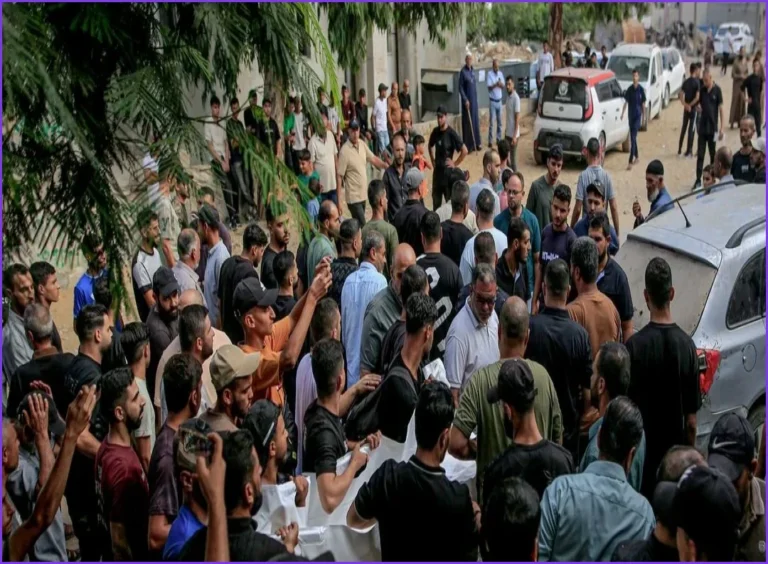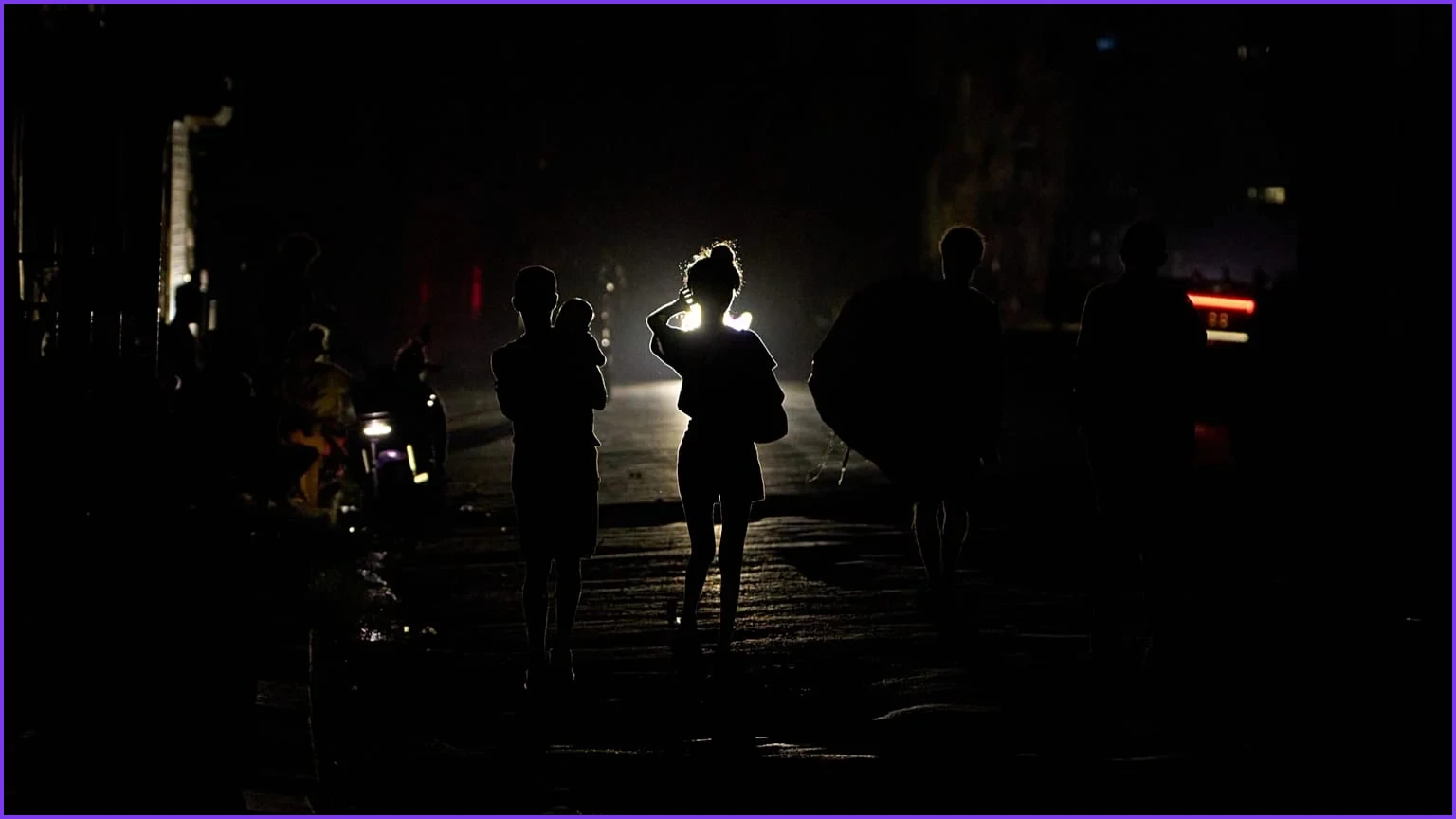
Cuba's electrical grid suffered a complete failure on Sunday, resulting in a nationwide blackout, according to an announcement from the state energy company. The outage plunged the entire country, including the capital city of Havana, into sudden darkness. Residents, who had been gathered outdoors to seek relief from the intense summer heat, reacted with audible frustration as the power failed.
This latest collapse follows a similar event just 24 hours prior, when the entire western region of the country lost electricity. The state-run utility, UNE, described the incident as a "total disconnection" of the national power system. The Ministry of Energy has stated that protocols to restore the grid are currently underway.
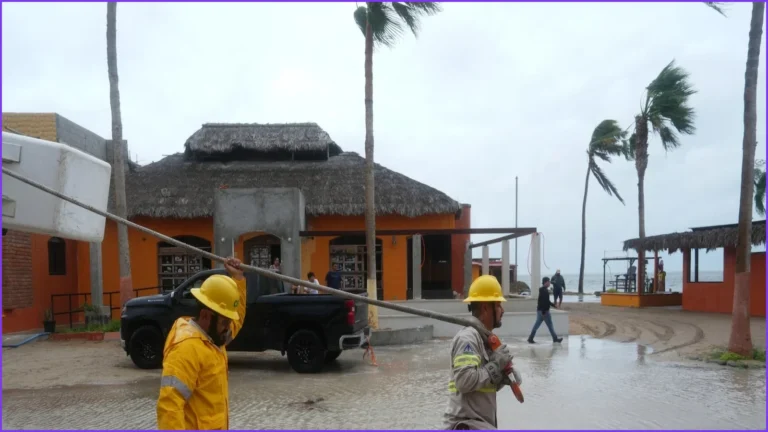
The nation has been grappling with persistent, rolling power cuts for months, driven by a combination of aging infrastructure and a U.S. energy embargo that has severely restricted fuel deliveries to power stations. The ongoing crisis has made daily life increasingly difficult for citizens, as power outages frequently lead to water supply failures and the cessation of basic amenities like ceiling fans. This prolonged instability has led to public expressions of discontent, with some residents in heavily affected areas protesting by burning piles of trash or banging on pots and pans.
Economic pressure remains high, as the Trump administration has tightened sanctions on Cuban state-owned enterprises, causing many international companies to withdraw from the country. While Havana has introduced various free-market reforms to stimulate the economy, progress has been slow. Fuel supplies remain critically low; the United States previously authorized the arrival of only one Russian tanker carrying 100,000 tons of crude in March, and those reserves have since been depleted. Additionally, diplomatic tensions remain elevated following the U.S. indictment of former president Raúl Castro regarding the downing of two civilian planes three decades ago, with little sign of progress in talks between Havana and Washington.