The Ebola outbreak in the Democratic Republic of the Congo has reached a grim milestone, surpassing 5,000 confirmed cases to become one of the largest and most challenging epidemics of the deadly disease ever documented. Driven by the rare Bundibugyo virus—a strain for which there is currently no approved vaccine or treatment—the outbreak has claimed thousands of lives and prompted urgent warnings from international health officials.
According to the latest figures from Congo’s Ministry of Health, the country has recorded 5,021 confirmed cases and 2,378 deaths as of Sunday. This current epidemic is already the worst outbreak ever caused by the Bundibugyo virus and stands as the deadliest Ebola outbreak in the history of the Democratic Republic of the Congo. The World Health Organization (WHO) has warned that if transmission is not halted, the outbreak could eventually eclipse the catastrophic 2014–2016 West Africa epidemic, which claimed more than 11,000 lives.
Unlike more common strains of the disease, the Bundibugyo virus presents unique hurdles for medical responders. The vaccines and specialized antibody therapies developed to combat the Zaire virus—the strain responsible for most of Congo’s previous outbreaks and the devastating West Africa epidemic—are not approved for use against the Bundibugyo strain. While clinical trials for potential vaccines are currently underway, patients right now must rely almost entirely on supportive care. This includes the administration of intravenous fluids and the targeted treatment of specific symptoms and medical complications.
First identified in 2007 during an outbreak in western Uganda that killed 37 people, the Bundibugyo virus is exceptionally rare. Prior to the current epidemic, the only other documented outbreak occurred in Congo in 2012. Both of those previous events were minuscule in comparison to the scale of the current crisis.
The origins of the current outbreak trace back to late April, when the first recognized patient developed symptoms and subsequently died in Bunia, the capital of Congo's northeastern Ituri province. This region is heavily affected by insecurity, displacement, and constant, intense population movements, which have severely hampered containment efforts. In early May, health authorities were alerted to a cluster of unexplained illnesses around Mongbwalu, a highly active gold-mining area near Bunia. Subsequent laboratory analysis confirmed the presence of the Bundibugyo virus, leading Congo to officially declare an outbreak on May 15. However, epidemiological evidence suggests that the virus had already been circulating silently for months before the official declaration.
While the vast majority of cases have been concentrated in Ituri, the virus has migrated across provincial borders as infected individuals have traveled. The outbreak even crossed into neighboring Uganda, though the WHO has confirmed that Uganda has since successfully halted transmission. Additionally, a single imported case was recorded in France in June, involving a doctor who contracted the virus while working in Congo; the physician has since recovered and been discharged from the hospital.
Ebola remains one of the world's most lethal infectious diseases, though survival rates can fluctuate significantly depending on the speed and quality of medical intervention. Historically, fatality rates have ranged from 25% to 90%. In the current Congolese outbreak, nearly half of all confirmed patients have died, with the overall case fatality rate sitting at 47.4%. However, this average masks much harsher realities in areas where conflict and logistical barriers disrupt response efforts. In North Kivu province, for instance, the fatality rate has soared to 70%.
The rapid trajectory of the current epidemic has already eclipsed Congo's 2018–2020 Ebola outbreak, which infected nearly 3,500 people and killed more than 2,200. While the 2014–2016 West Africa epidemic remains the largest on record—infecting over 28,000 people and killing 11,000, primarily in Guinea, Liberia, and Sierra Leone—that disaster was caused by the Zaire Ebola virus. The current Bundibugyo-driven outbreak is accumulating cases at a much faster rate from its onset than the West Africa epidemic did, fueling fears of an even larger humanitarian disaster.
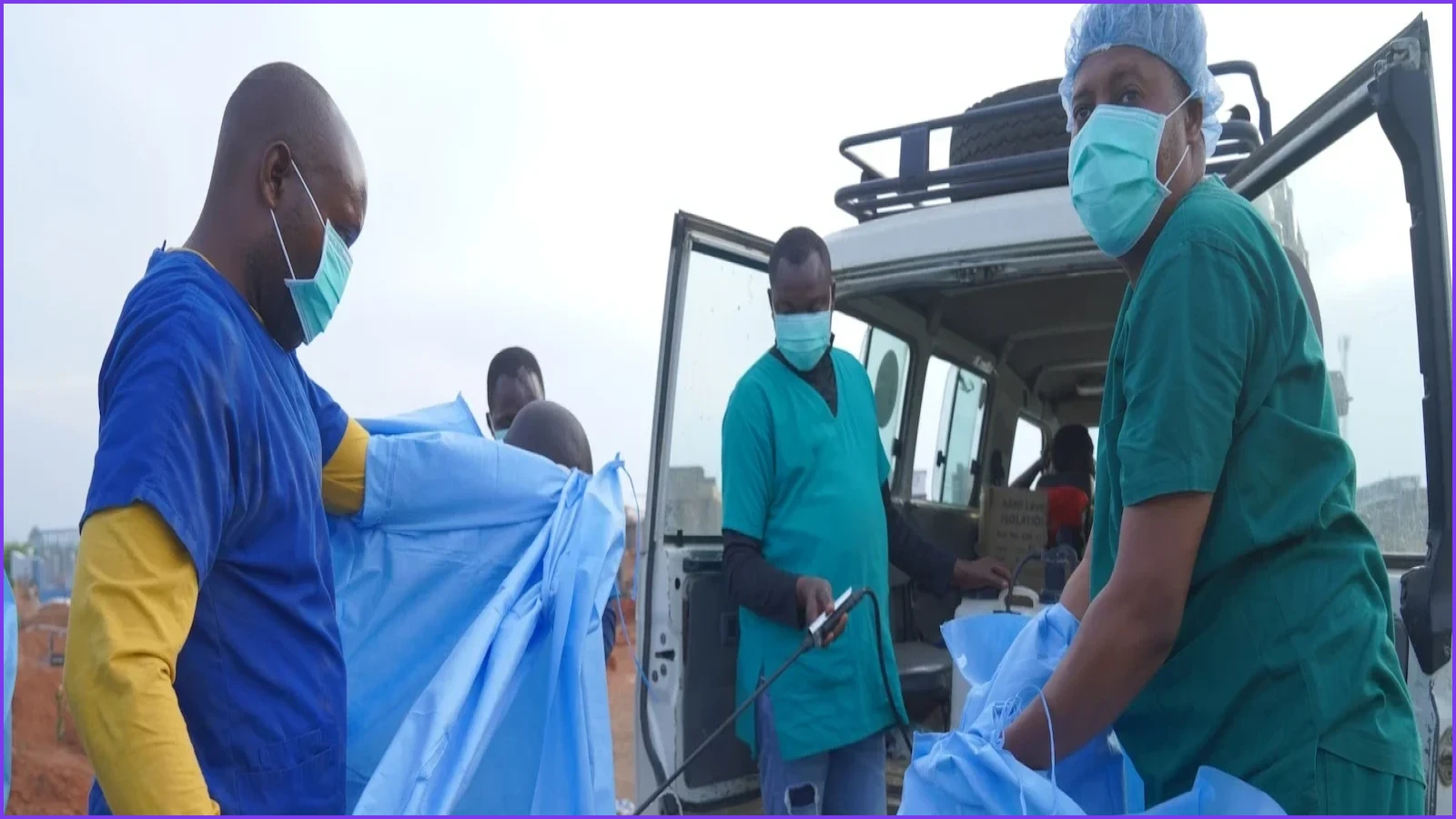
Controlling the spread of Ebola relies on traditional public health measures designed to break the chains of transmission. Congolese authorities, who possess decades of experience dealing with Ebola, employ a strategy of rapid detection, isolation, treatment, rigorous contact tracing, and safe burial practices. However, contact tracing in this outbreak has proven exceptionally difficult. Between 60% and 70% of new cases are being detected in individuals who were not previously under surveillance, meaning infected people are transmitting the virus before health workers can track them.
Recognizing the global risk, the WHO declared the outbreak a public health emergency of international concern in May, which is its highest level of alert. This designation is intended to mobilize a coordinated international response rather than suggest a global spread akin to COVID-19. The WHO has explicitly advised against broad trade or travel restrictions, noting that such measures disrupt essential supply chains and hinder the deployment of health workers and medical equipment needed to contain the virus.
Some patients develop internal or external bleeding.Ebola can be difficult to distinguish from other infectious diseases without laboratory testing, because many of its early symptoms are similar to those of illnesses such as malaria and typhoid.
Instead, it signals that the outbreak poses a serious international health risk requiring a coordinated response.WHO has advised against broad travel or trade restrictions, saying they can disrupt supply chains and make it harder to move health workers, medical supplies and other resources needed to fight the outbreak.___Mogomotsi Magome reported from Johannesburg, and Mark Banchereau from Dakar, Senegal.