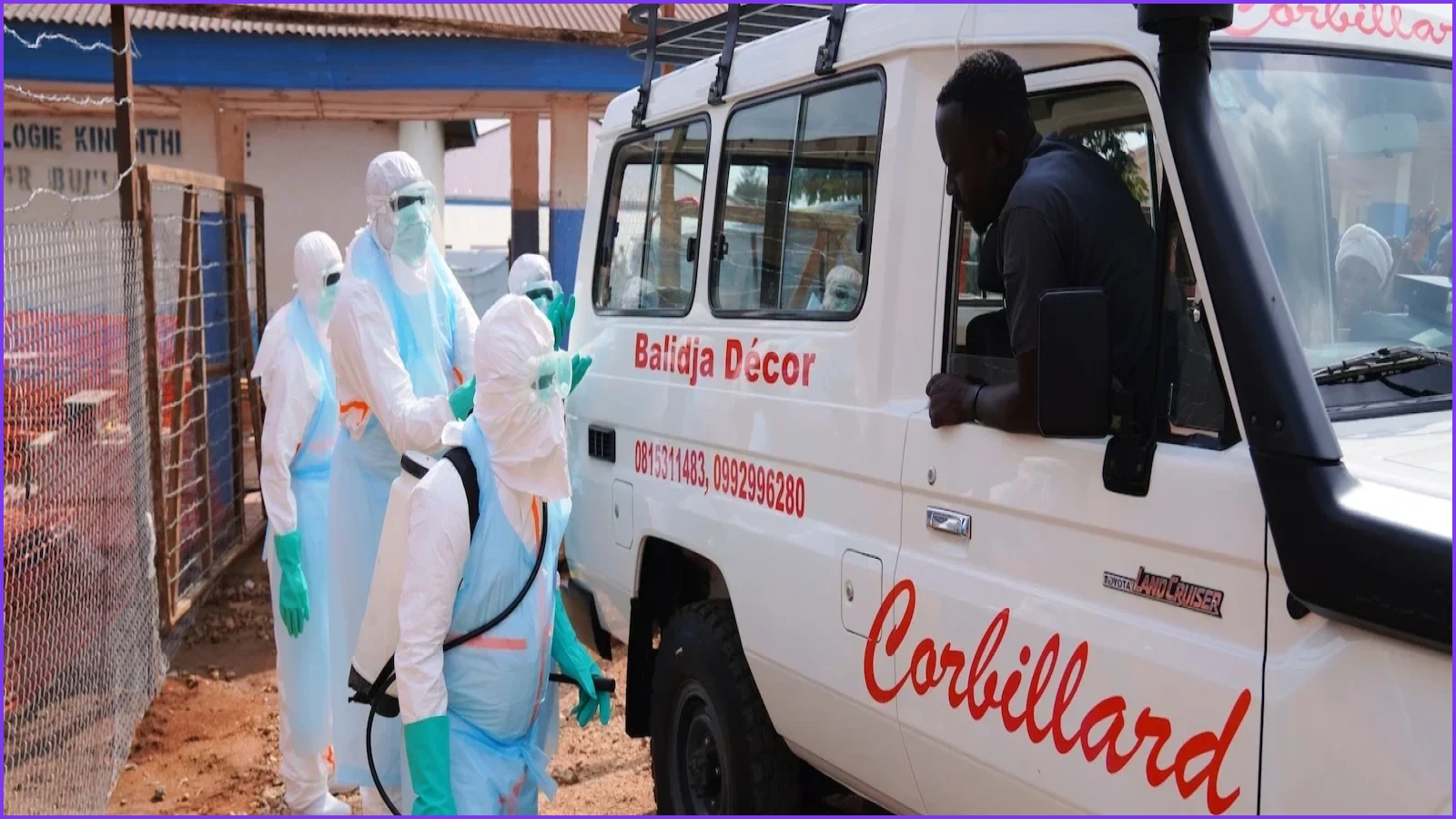
Official data released on Thursday confirms that the death toll from the fastest-growing Ebola outbreak on record has surpassed 1,500 in eastern Congo. This figure represents a 50% increase in just one week, highlighting how the current emergency continues to outpace containment efforts. The outbreak, which was officially declared on May 15, is attributed to the Bundibugyo virus, a strain for which there are currently no approved treatments or vaccines.
Healthcare data indicates that 797 patients are currently hospitalized or in isolation, while 615 individuals have successfully recovered from the virus. However, medical authorities note that contact tracing efforts are significantly behind schedule. Only about 78% of known contacts are being monitored nationwide, a figure that remains well below the 95% target deemed necessary by health officials to effectively interrupt the chain of transmission.
Efforts to track those exposed to the virus have been hampered by illegal mining and ongoing armed conflict in the region, which has displaced thousands. While the outbreak is primarily concentrated in the remote Ituri province—accounting for nearly 90% of all cases—confirmations have been recorded in five provinces, including the major city of Kisangani. In contrast, neighboring Uganda declared itself Ebola-free on Tuesday after discharging its final patient in mid-June.
The World Health Organization (WHO) maintains that the global risk of spread remains low because the virus requires direct contact with bodily fluids, such as blood, vomit, or semen, rather than airborne transmission. While cases outside the immediate region have been contained, the WHO describes the risk of spread within Congo as “very high.”
The rapid transmission is exacerbated by public distrust and safety concerns. Many communities in the affected zones are unreachable, and some responders have been forced to pull back following attacks from residents and rebel groups. Misinformation regarding the virus's existence and opposition to traditional funeral restrictions have led to violent incidents at health facilities. For instance, international partners operating in the Nyakunde health zone were forced to relocate after an attack on a hospital and treatment center on July 15, triggered by a patient's death.
Pierre Akilimali, the Ebola response incident manager at the National Public Health Institute of the Democratic Republic of the Congo, stated that such violence creates significant anxiety for health workers who are already operating under high infection risks. Dr. Désiré Duabo, the chief medical officer for the health zone, warned that supply stocks are nearly depleted following the departure of aid groups like Africa CDC and Mercy Corps. While local officials report that security has stabilized and are urging organizations to return, Africa CDC indicated that teams could potentially redeploy as early as next week.
Banchereau reported from Dakar, Senegal.