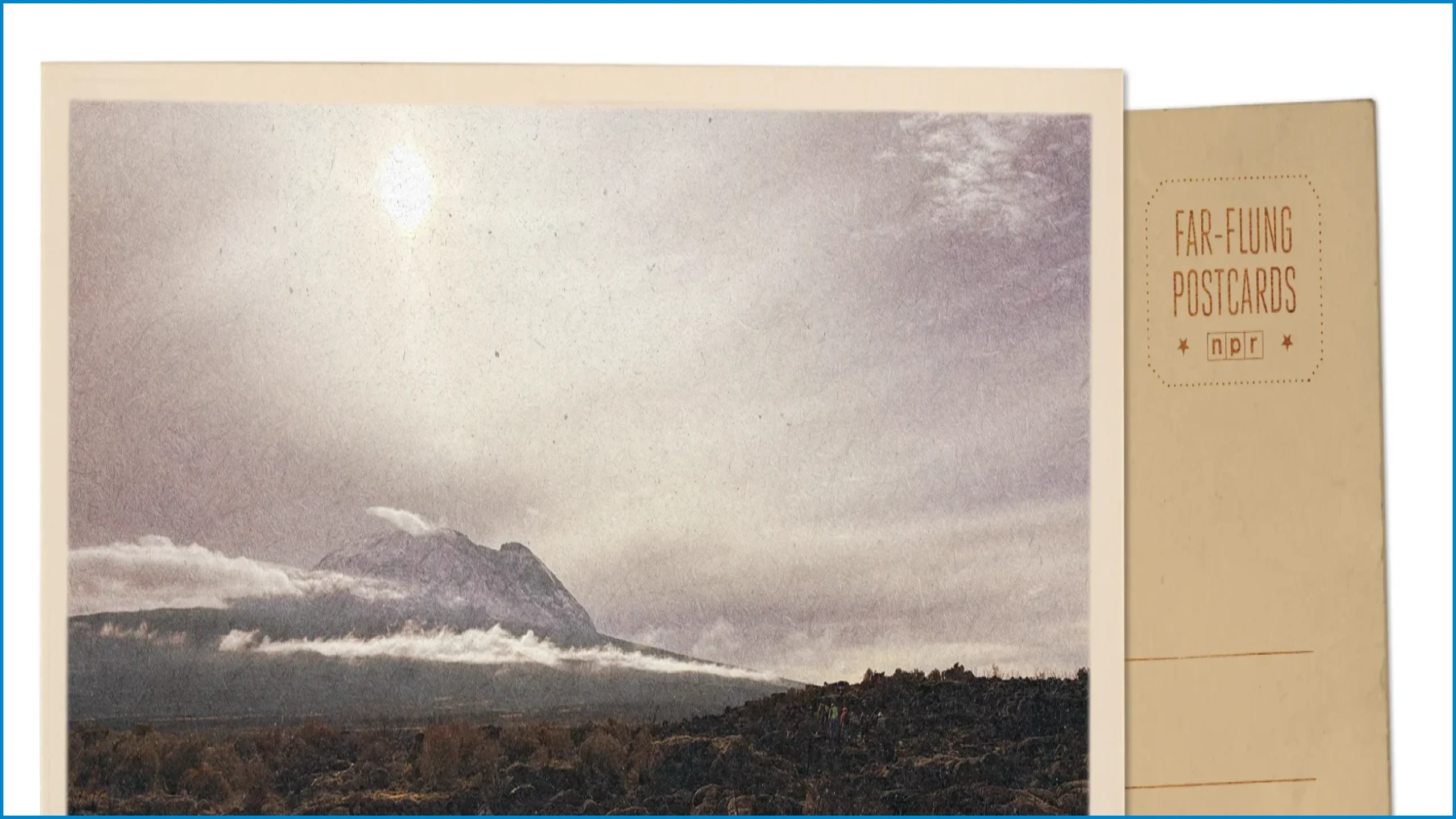
Climbing Mount Kilimanjaro serves as a vivid study in contrasts, where the environment shifts dramatically from humid rainforests to alpine landscapes. Situated near the equator, the mountain subjects hikers to a beating sun during the day, while temperatures at night frequently plummet to below freezing. The terrain remains a mix of environments, including areas recently marked by a wildfire that occurred three weeks prior to the climb, with snow and ice remaining a constant sight.
For the group of friends and fellow hikers, the ascent required careful planning and patience. To mitigate the risks of exhaustion and altitude sickness, the team spent several days camping at high altitude to acclimatize before attempting a final summit push. During the second-to-last evening on the mountain, the group began their final climb, trekking through heavy snow under the stars. They navigated to the crest of a massive volcanic crater rim and endured a full blizzard, leaning against snowdrifts to reach the summit in the early morning hours.
I stood on the peak I'd seen only from a distance for the last week but saw only whiteness: all snow and ice, the absence of life and color heightened by my low oxygen levels. Following the descent and a period of decompression, the hiker caught a final glimpse of the mountain in the dusk light. For a few brief minutes, the clouds parted to reveal the peak before it vanished once more into the darkening evening, remaining as elusive as it had been throughout the journey.
For more Far-Flung Postcards, click here.