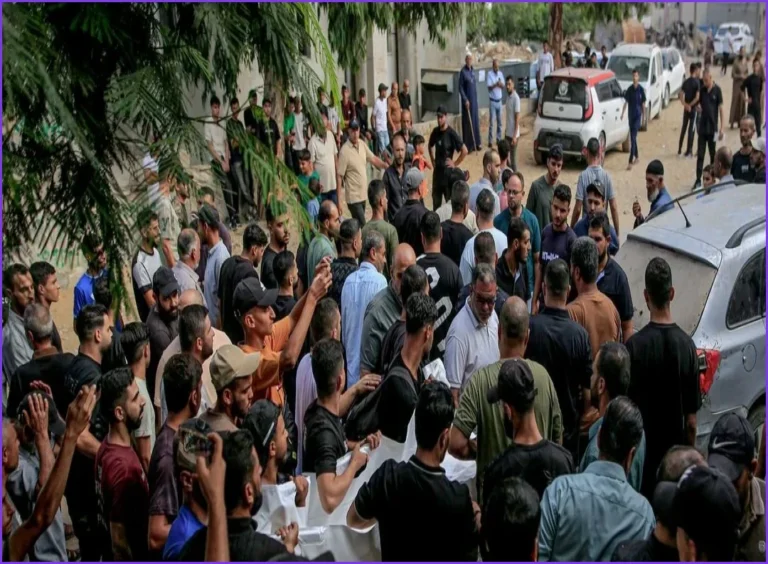
Spanish government officials confirmed on Saturday that the situation in the Ceuta enclave has been almost entirely reversed, with the vast majority of the approximately 60,000 migrants who recently entered the territory having returned to Morocco. Interior Minister Fernando Grande-Marlaska stated that the rapid stabilization occurred within a 24-hour window, facilitated by ongoing cooperation between Spain and its neighboring country. He described Morocco as a reliable partner rather than a threat to the enclave or the rest of Spain.
Despite the restoration of order, the humanitarian cost of the surge has been severe. Minister Grande-Marlaska reported that at least 67 people lost their lives during the attempts to enter the 18.5-square-kilometre territory. The fatalities were attributed to various causes, including drowning as individuals swam around the border barrier that extends into the Mediterranean, and a stampede that occurred while crossing a breakwater barrier. On Saturday morning, Spanish soldiers and police oversaw the final departures of young migrants back to Moroccan territory. Soldiers also intercepted a small group of exhausted individuals arriving at Tarajal beach, escorting them back across the border.
In response to the influx, Spain announced plans to install a 500-metre-long containment barrier along the sea border. Ceuta and the nearby exclave of Melilla represent the only two land borders between Africa and Europe, located approximately 25 kilometres from the Spanish mainland. While the exact catalyst for the sudden movement remains unconfirmed, Myriam Cherti, a senior researcher at the University of Oxford’s Centre on Migration, Policy and Society, noted that social media platforms were saturated with posts prior to the event. These posts provided practical instructions on crossing techniques and advice on how to petition for residency.
Interviews with migrants suggest that these attempts are often driven by profound desperation and a lack of economic opportunity in Morocco. One individual, 42-year-old Soufian, noted that he earns only 10 euros for a 12-hour shift as a security guard, and was motivated by a desire to reach his ailing mother in Madrid. He expressed that many are willing to endure significant hardship to escape their current circumstances. This recent incident follows a pattern of previous surges, including a 2021 event that saw over 10,000 people enter Ceuta in a two-day period. Minister Grande-Marlaska emphasized that the recent events warrant a thorough evaluation by both Spanish and Moroccan authorities.
"Even though there's no food, nothing at all, I'll endure anything to see my mother," Soufian said, adding he makes just 10 euros a day working 12-hour shifts as a security guard.