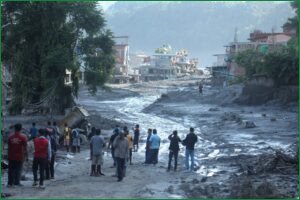
Between 2000 and 2024, Caribbean nations endured $53.2bn (£40bn) in economic damage directly linked to climate-fuelled disasters. According to new research by the development thinktank ODI Global, this staggering figure accounts for more than 90% of the $57bn in total economic losses recorded across 39 developing island nations spanning the Caribbean, Pacific, Atlantic, Indian Ocean, and South China Sea. Furthermore, the report estimates that the climate crisis has resulted in an average of more than 190 deaths annually over the same 25-year period.
Emily Wilkinson, the author of the report, emphasized that these findings are critical for ongoing discussions regarding global climate reparations. Caribbean countries, which have faced the most severe consequences of a crisis primarily driven by high carbon emitters outside their region, are actively pursuing climate justice. Several nations have already presented evidence to the International Court of Justice, following a landmark advisory opinion that could lead to states being ordered to pay compensation for failing to address fossil fuel usage and climate harm.
Wilkinson noted that while extreme weather events have historical precedents, climate attribution studies now allow scientists to determine the specific proportion of an event's intensity caused by global temperature increases. By calculating a fraction of attributable risk, researchers can now estimate the exact percentage of reported damage directly caused by climate change. For example, in one instance, the report attributed $9.7bn—roughly 80% of the total $12.2bn in government-calculated losses—directly to the climate crisis. This figure represents nearly half of that country’s total economy.
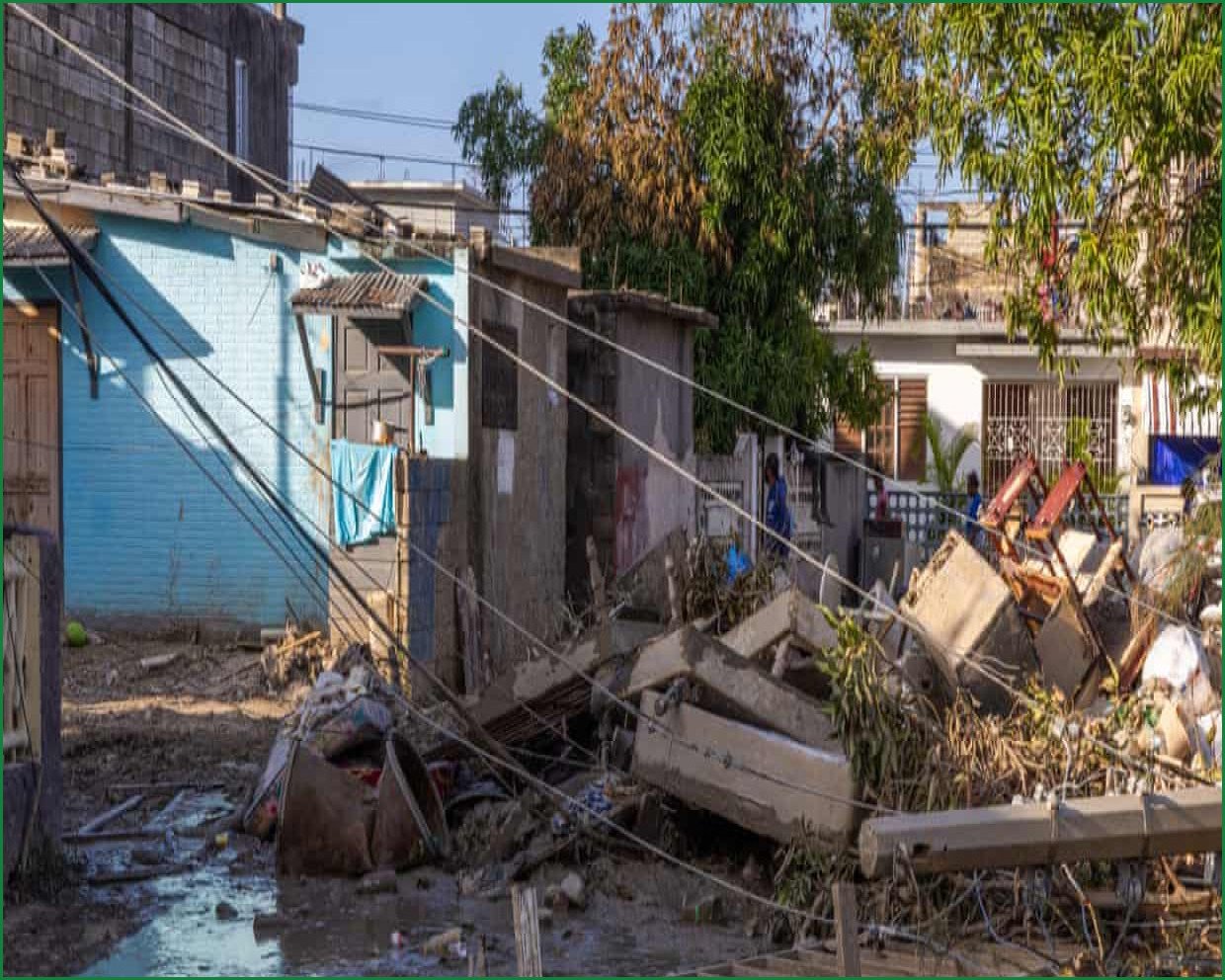
The impact is particularly visible in places like Jamaica, which faced devastating storms for two consecutive years, including 2024’s Hurricane Beryl. These events left thousands without homes, basic utilities, or livelihoods. In response, the Jamaican government passed the National Reconstruction and Resilience Authority Act in May to expedite rebuilding, while Prime Minister Andrew Holness has committed to increasing investments in solar energy.
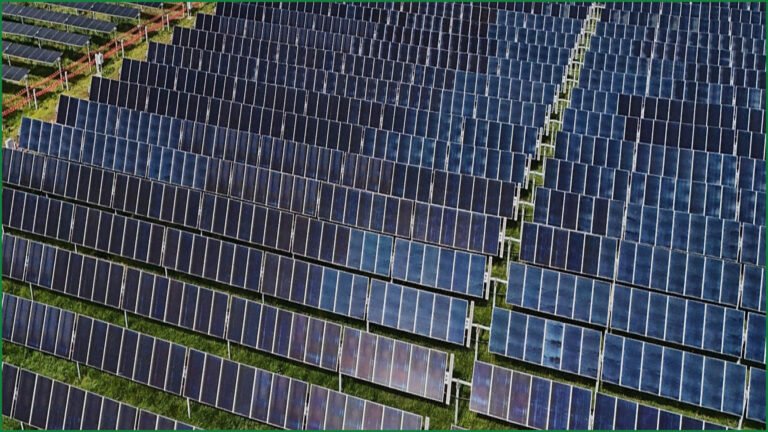
Private sector leaders are also adapting to these climate shocks. Marcelo Cataldo, CEO of the Digicel Group, explained that the company is shifting toward solar energy to maintain network resilience. Partnering with Caban Energy, Digicel is rolling out solar-powered sites across Jamaica and Barbados, with plans to expand into 15 of its 25 markets. These systems are designed to generate 15,000MWh of clean energy annually, significantly reducing diesel consumption and CO₂ emissions while ensuring communication services remain operational during power grid failures caused by storms.
While Wilkinson acknowledged that transitioning to solar energy offers a path toward resilience, she cautioned that countries must overcome significant hurdles, including high upfront costs and challenges related to grid stability and storage. Looking ahead, the ODI Global report warns that under a 1.5C warming scenario, storms alone could trigger an additional $49bn in climate-attributable losses for developing island nations by 2050, a figure that rises to $51bn at 2C.