Not every individual reacts to vaccinations in the same manner, as immune responses are influenced by factors such as genetics, age, sex, and history of prior illnesses. New research published in the Cell Press Blue journal suggests that the secret to understanding these variations might already be present in a person’s blood.
Scientists at the United States National Cancer Institute’s SeroNet program have investigated how pre-existing antibodies to common microbes can serve as predictors for how a person will respond to new vaccines. According to Joshua LaBaer, who led the study, certain biomarkers analyzed with the help of artificial intelligence can predict a patient's likely response even before they receive an immunization. This suggests that some individuals possess a higher level of immune readiness than others.
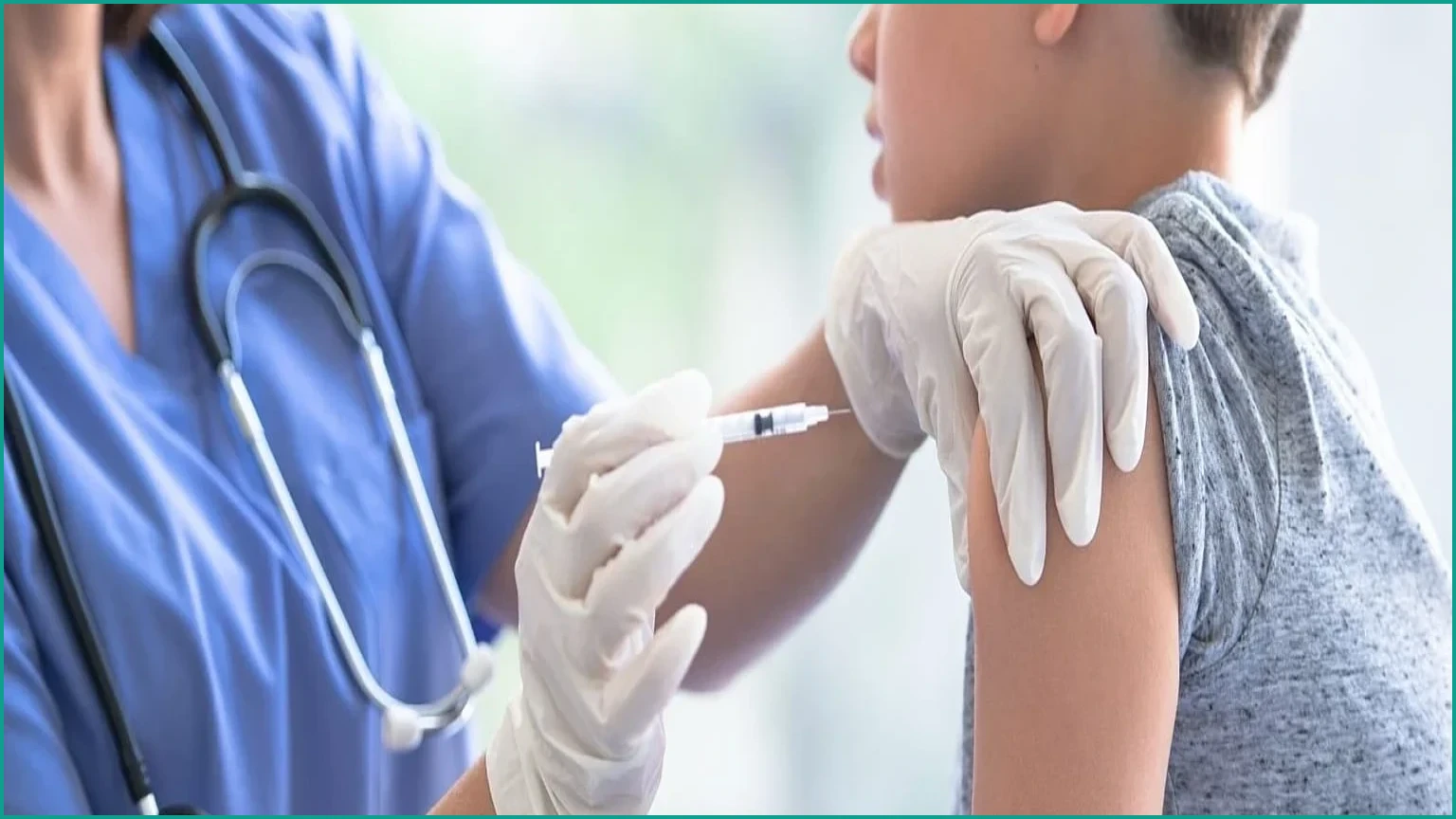
The study involved an analysis of over 8,000 blood samples collected from more than 4,000 participants. The group included healthy volunteers as well as individuals with weakened immune systems due to conditions such as HIV, multiple myeloma, or solid organ transplantation. All participants received the COVID-19 vaccine, and researchers utilized machine learning to examine antibody patterns in samples taken before and after the vaccination process. By doing so, they were able to categorize patients into groups of strong or poor vaccine responders.
The researchers identified what they describe as “sentinel antibodies,” which function as indicators of an individual’s potential immune response. The findings revealed that higher levels of specific pre-existing antibodies—particularly those targeting common organisms such as Respiratory Syncytial Virus (RSV), Staphylococcus aureus, and human parainfluenza virus 3 (HPIV-3)—were linked to stronger responses to the COVID-19 vaccine. In fact, these universal antimicrobial signatures were positively associated with the top 25% of high responders.
Immunosuppression is known to be associated with weaker antibody responses, which in turn increases the risk of mortality, disease severity, and infection. By identifying these predictive biomarkers, clinicians may be able to determine which individuals are likely to develop a suboptimal response before they are immunized. This capability could lead to more personalized vaccination strategies, such as the use of tailored dosing schedules, different vaccine types, or additional booster requirements for those identified as being at higher risk.
The study analysed over 8,000 blood samples from more than 4,000 people, testing for antibodies against 185 antigens from common viruses, bacteria and autoimmune-linked targets.