A major public health study conducted in the Basque Country has concluded that a systematic screening programme for colon cancer is associated with a 50% reduction in mortality among individuals aged 50 to 69. The research, which was published this Wednesday in JAMA Network Open, analyzed health data over a 21-year period, tracking the evolution of the disease across a population of nearly 2.2 million people.
Led by Dr. Luis Bujanda, the study examined mortality records spanning from 2004 to 2024. During this two-decade timeframe, there were 438,134 total deaths recorded in the region, of which 16,298 were linked to colorectal cancer. The findings reveal that the decline in deaths became apparent just three years after the programme was introduced, with the positive trend being sustained consistently ever since. Researchers identified 2012 as a key turning point, which further solidified the correlation between the screening efforts and the reduction in cancer-related fatalities.
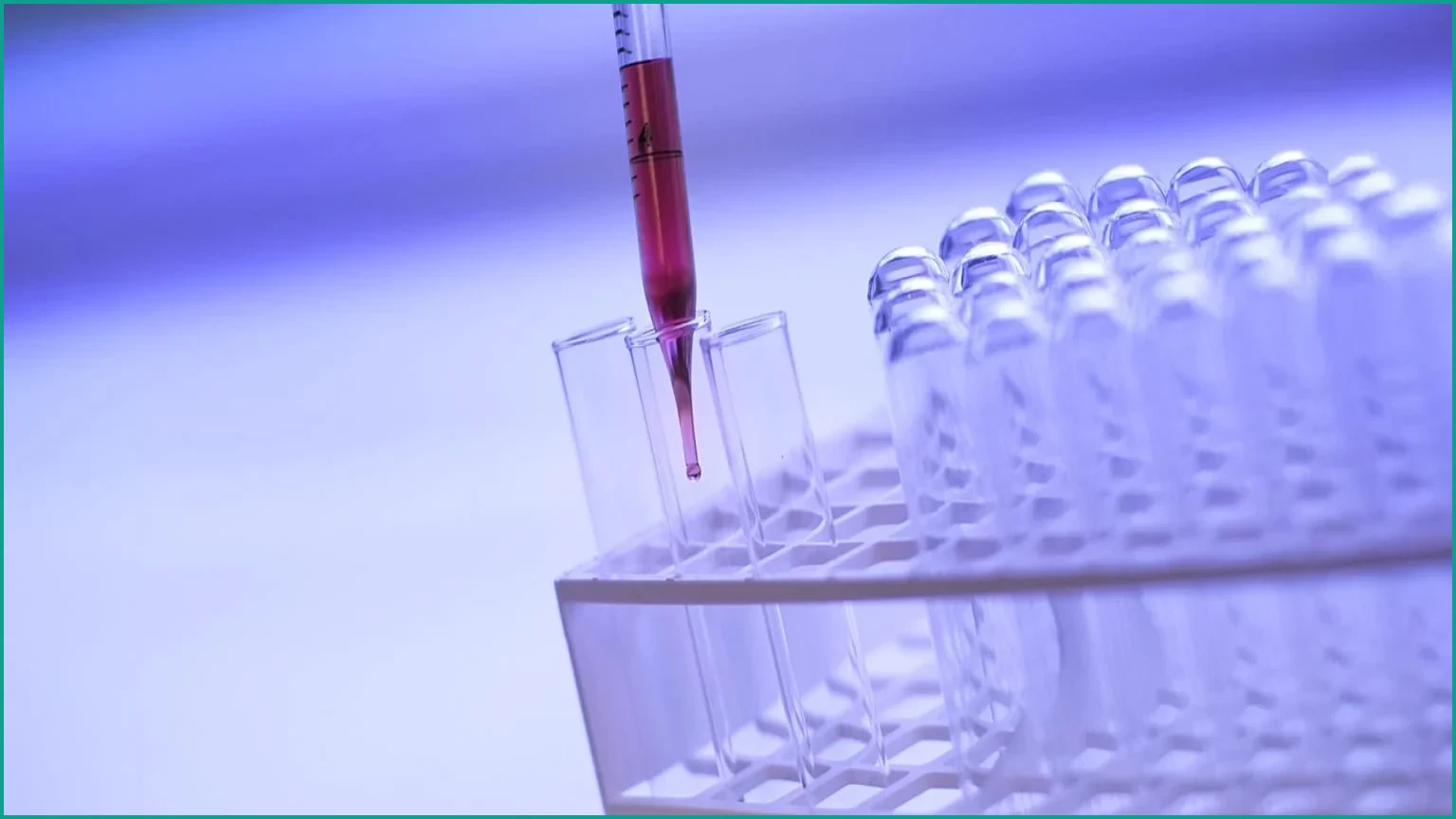
The screening initiative relies on the faecal immunochemical test (FIT), a non-invasive method used to detect small amounts of hidden blood in faeces. This test serves as an early warning system for potential cancer or precancerous lesions. In the Basque Country, this test is offered every two years to both men and women between the ages of 50 and 69 who do not exhibit any symptoms. If a participant receives a positive result, they are then referred for a colonoscopy to confirm the diagnosis.
Statistical analysis from the study shows that within the target age group of 50 to 69, the mortality rate dropped from 39.7 to 19.8 deaths per 100,000 inhabitants, representing a 50.1% decrease. In the population as a whole, mortality also saw a reduction, falling from 32.8 to 23.1 deaths per 100,000 inhabitants. Researchers estimate that had this early detection system not been implemented, the mortality rate among the 50 to 69 age group would have been 46.2% higher.
Beyond the reduction in mortality, the programme has significantly improved clinical outcomes. Throughout the study period, the initiative led to the detection of 4,892 cases of colorectal cancer. Notably, 70.8% of these tumours were identified at stages I and II. Detecting the disease at these early stages is critical, as it allows for less aggressive treatment and significantly higher chances of a cure. In many instances, the programme even enables the removal of polyps before they have the opportunity to develop into malignant tumours.
The study authors emphasize that these results strongly support the long-term benefits of organized screening programmes using the faecal immunochemical test as a vital public health strategy. However, they also caution that this is an observational study. While the findings demonstrate a clear association between the rollout of the programme and the fall in mortality, they do not establish a cause-and-effect relationship with the same level of certainty as a clinical trial. Nevertheless, the researchers maintain that the scale of the decline and its persistence for more than two decades reinforce the value of screening as a primary tool for combating one of the most common and deadly forms of cancer in Spain and globally.