The Barbican in London has launched a new season of screenings titled "Project a Black Planet: Film," which serves as a cinematic exploration of pan-Africanism as a movement defined by solidarity, resistance, and creative expression. The series runs for three months and acts as a companion to the Barbican’s ongoing exhibition of the same name.
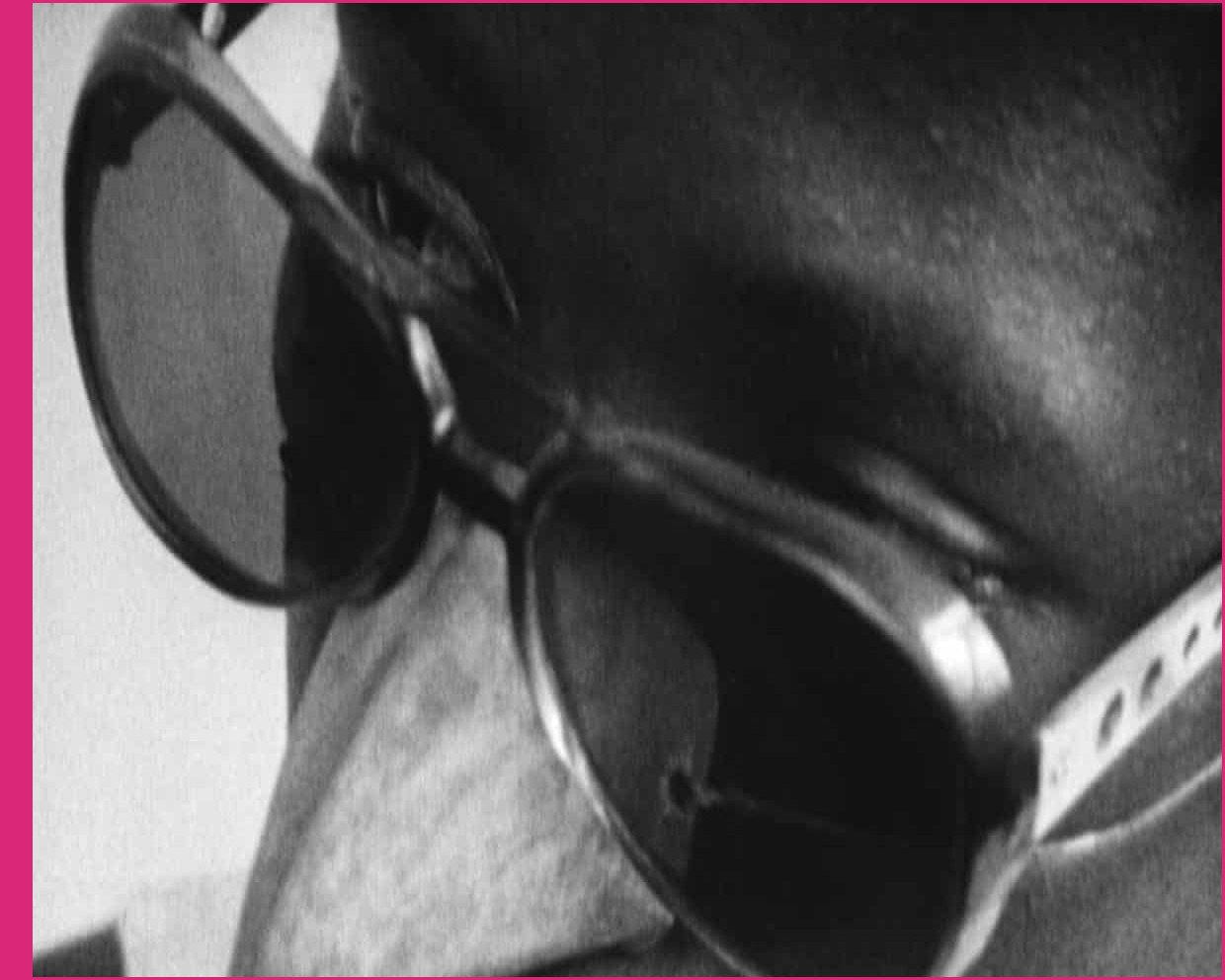
The programme opens with footage from the 1969 Pan-African Cultural festival (Panaf) held in Algiers. William Klein’s documentary of the event captures the energy of the gathering, which transformed the city into a global center for the continent. The films selected for the season aim to show how pan-Africanism manifests in human interaction, with curator Matthew Barrington describing the medium of film as inherently populist. The screenings are intended to be in dialogue with one another, complemented by panel discussions, performance lectures, and music from artists such as Linton Kwesi Johnson, Sarah Lasoye, and DJ Coby Sey.
The collection draws from both classic and lesser-known works to avoid over-reliance on a traditional, male-dominated canon. Among the highlights is Sarah Maldoror’s 1979 film Fogo, l’île de feu, which examines land and labor in Cape Verde. Annouchka de Andrade, who works to restore and distribute her mother Maldoror’s work, noted the significant challenges the filmmaker faced due to systemic racism and sexism; in the case of Sambizanga, she noted it was kept by a producer for 40 years and she didn’t have any copy, which left over 50 of her projects unrealized. Despite these obstacles, Maldoror remained a pivotal figure in the movement, even as mainstream narratives often marginalized her contributions.
The season also addresses the complexities and internal contradictions of the movement, particularly through the "Ambiguous Encounters" strand curated by Abiba Coulibaly. This section marks the 60th anniversary of the first World Festival of Black Arts (Fesman) and the Tricontinental conference in Cuba. It focuses on the cities of Dakar, Algiers, and Lagos (which was the venue for the second edition of the World Festival of Black Arts in 1977) to explore the political friction between different ideological approaches to the movement, such as the tension between Algerian "third worldism" and the more conservative stance of Senegal’s Léopold Senghor.
Other films in the series address specific historical traumas and postcolonial conditions. Roy Guerra’s 1979 feature Mueda, Memória e Massacre explores the 1960 massacre by Portuguese forces in Mozambique, while works like Timité Bassori’s The Woman with the Knife (1969) and Djibril Diop Mambéty’s Hyenas (1992) offer reflections through satire and psychoanalysis. The programme also highlights diasporic collaborations, such as Ola Balogun’s Nigerian-Brazilian film Black Goddess.
Kodwo Eshun of the Otolith group, whose films In the Year of the Quiet Sun and Nucleus of the Great Union are included in the season, emphasizes the political stakes of the movement. Reflecting on the assassination of Patrice Lumumba, Eshun stated, "If pan-Africanism was a dream, why did Belgium, USA and Britain go to the lengths they did to assassinate Lumumba? It wasn’t a dream, it was a threat." By revisiting these histories, the season invites audiences to consider the transformative vision of pan-Africanism, which remains as relevant today as it was during the era of the 1969 Apollo 11 moon mission, which occurred simultaneously with the Panaf festival in Algiers.