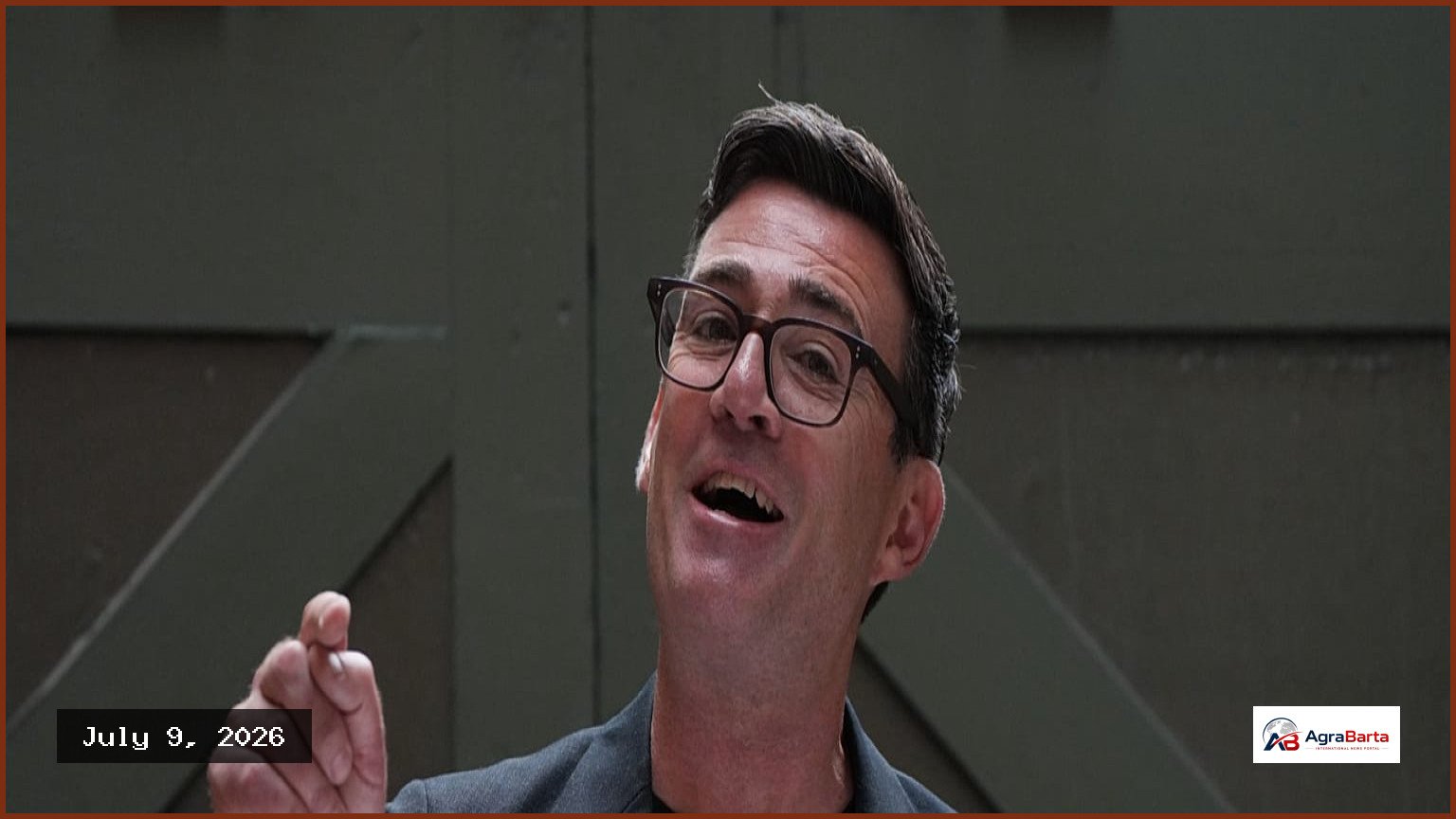
Veteran politician Andy Burnham has moved closer to becoming the next prime minister of the United Kingdom, securing the backing of 322 Labour MPs on Thursday. The 56-year-old remains the only individual to publicly declare his candidacy to succeed Keir Starmer, who announced his resignation last month. Following the opening of the nomination process on Thursday morning, Burnham expressed his sentiment in a social media video, stating, “It is all starting to feel very real.”
Burnham currently appears set to be confirmed as the Labour leader without opposition. If he reaches 323 nominations, it will become mathematically impossible for any other challenger to secure the 81 signatures required to enter the race from the total pool of 402 Labour MPs. Nominations are scheduled to close on 16 July. Should no contest arise, Burnham will be officially crowned at a special conference the following day, before meeting King Charles and replacing Starmer at 10 Downing Street on 20 July, making him Britain’s seventh prime minister in a decade.
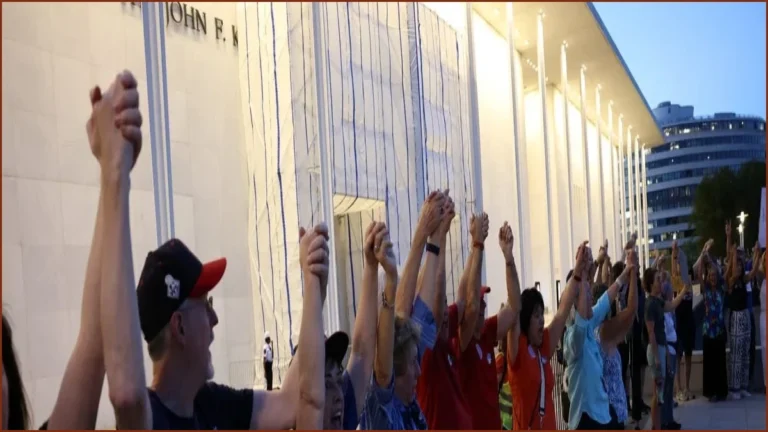
Armed forces minister Al Carns, who was considered the final potential challenger, withdrew from the race late Wednesday. While Carns had hoped for a leadership contest to facilitate a “proper debate,” he concluded that the country did not need months of internal Labour politics. Other high-profile figures have also aligned with Burnham, including former health minister Wes Streeting, who dropped his own leadership bid to support him. Following a by-election victory that returned him to parliament, Burnham was celebrated by approximately 200 Labour MPs during a group photo session at Westminster.
Known as the “King of the North” after winning three successive Greater Manchester mayoral elections, Burnham has promised to implement a significant rebalancing of power. His primary proposal involves establishing a “No. 10 North” to coordinate increased devolution. While he has pledged fiscal discipline and a reduction in the national welfare bill, he faces significant challenges, including anaemic economic growth, the cost-of-living crisis, and an unpredictable US President in Donald Trump. Furthermore, Burnham has indicated a shift from Starmer’s stance on Israel, telling the Guardian that the previous response to the war in Gaza “has too often not been good enough” and that the party needs to improve.
Starmer announced his resignation on 22 June after losing the support of his parliamentary party, having faced months of pressure regarding his judgment and various policy U-turns. Many Labour MPs view Burnham as the party’s best hope to regain ground against Nigel Farage’s Reform UK party ahead of the 2029 general election. Despite Reform leading in polls for over a year, the gap has recently narrowed. One anonymous Labour MP described the move to back Burnham as a necessary risk, noting, “I hope he’s a breath of fresh air.”
"There's no one else," one Labour MP told the AFP news agency on condition of anonymity after nominating Burnham.