A delay to the rainy season in a forest already damaged by human-driven heating could trigger a powerful ‘Godzilla’ El Niño, creating an emergency that should concern the entire world. As a supercharged climate scorches Europe with wildfires and deluges Asia with floods, the Amazon is bracing for a drought that strikes fear into the hearts of forest defenders and food producers alike. Scientists predict the peak of this El Niño will occur at the worst possible time for the world’s largest tropical rainforest: the end of the dry season between October and December, when rivers are at their lowest and undergrowth is most likely to be tinder dry. This period of extreme vulnerability threatens the forest's role in stabilizing the global climate and irrigating crops.
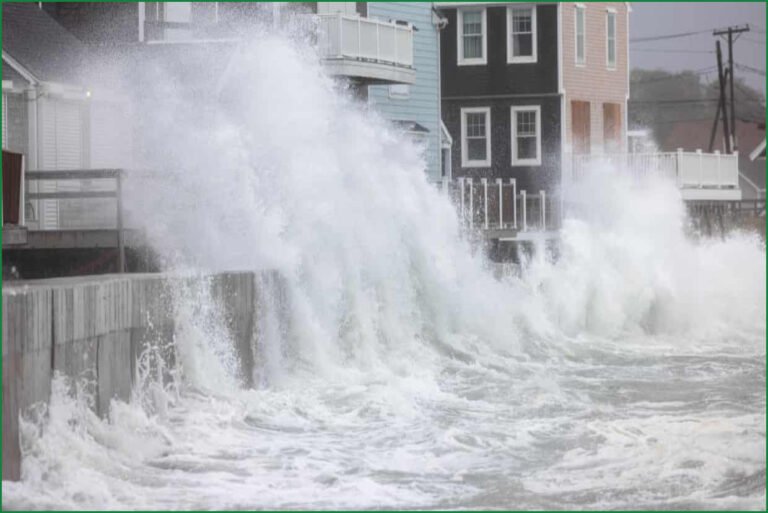
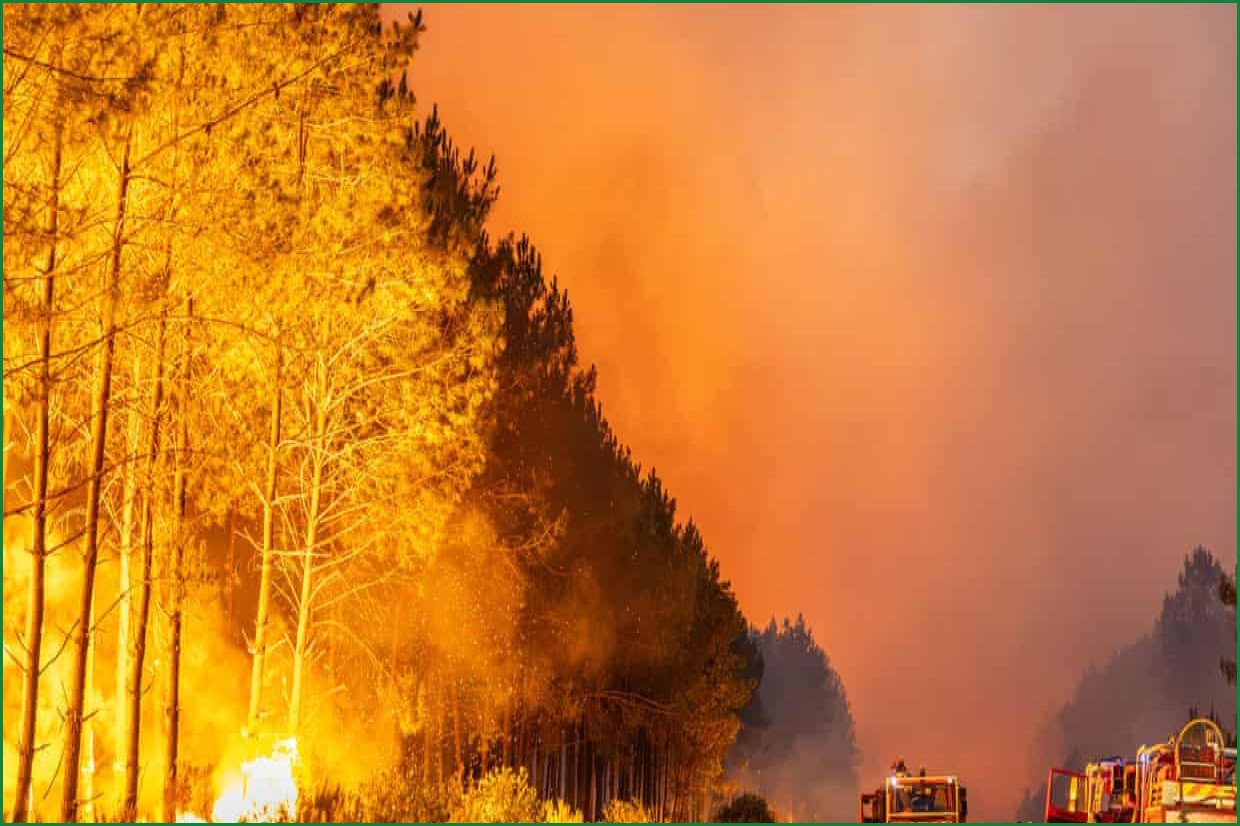
Researchers indicate this El Niño is on course to be the strongest in 150 years by a “mind-blowing margin.” Even in its early phase, it is causing global havoc. Western Europe has endured its hottest June and July in history with exceptionally low rainfall, sparking extreme wildfires in Greece, France, and other Mediterranean countries, while causing water shortages in the Danube, Rhine, and Seine basins. Three-quarters of England is in drought, baking in what is forecast to be the hottest UK summer on record. In Asia, Japan and South Korea are sweltering in a record heatwave, while China has been battered by Typhoon Dolphin, which turned Shanghai’s streets into rivers, destroyed roofs, and forced the evacuation of over 1 million people. Floods have killed more than 100 people in India’s Assam state, with more rain expected.
Global destruction continues as "out of control" wildfires in Canada have forced tens of thousands to flee British Columbia and darkened the skies of New York. Massive fires are also raging in Utah in the US, which suffered a record July heatwave, and on Java Island in Indonesia. In Africa, the UN predicts a severe hit to food production, while the Middle East breaks temperature records daily, with the United Arab Emirates registering 51.2C in Al Dhafra. Furthermore, sea surface temperatures are trending far outside previous parameters, threatening marine life and coral reefs.
The Amazon remains a primary concern due to its role in maintaining biodiversity and ensuring rainfall for South American food-producing regions. Decades ago, drought in the rainforest seemed outlandish. The Amazon is the world’s largest river system, with major tributaries including the Xingu, Negro, Tapajós, Madeira, Purus, Juruá, and Japurá. These forests have historically been famed for humidity, with giant trees pumping moisture into the atmosphere to generate “flying rivers” that cool and water the continent. The Brazilian meteorological agency now forecasts that this strong El Niño will delay the onset of the Amazonian rainy season, raise temperatures, deplete rivers, and intensify fire risks.
This creates an emergency within an emergency, as the natural but powerful “Godzilla” El Niño, which could last well into the new year, hits on top of human-driven warming. Scientists and Indigenous residents report the Amazon is still struggling to recover from the 2023-24 El Niño, which left rivers at record-low levels, sparked unprecedented fires, and caused mass deaths of fish and dolphins. With one-third of the Amazon degraded by mining, farming, and climate disruption, the forest is more vulnerable to “megafires.” While the government’s satellite monitoring and firefighting investments reduced burned areas to their lowest level since 1985 last year, one year is insufficient for recovery.
Prof Jos Barlow of the Lancaster Environment Centre described the prospect of a stronger phenomenon as deeply worrying, noting it is hard to imagine the outcome of even more severe heat and drought. Berenguer compared the situation to a sick body receiving an infection, noting that the forest’s immune system is already compromised. Because of a three-month lag between the peak of Pacific warming and global temperature rises, conditions may intensify in 2027. Carlos Nobre, a professor at the University of São Paulo, warned that the Amazon must be prepared from now through March 2027 to withstand a severe drought.
The industry magazine Agroforte noted that Brazil’s soya bean harvests have fallen during previous strong El Niño years, though it omitted the human causes of deforestation and fossil fuel burning. Indigenous groups, who face the triple threats of forest clearance, global heating, and El Niño, are particularly at risk. The government has stockpiled food, fearing that communities in the Xingu and Tapajós basins could be left isolated and thirsty if rivers—the primary transport routes—run dry. With global food prices at a three-year high and the UN predicting 49 million more people could face acute hunger due to El Niño, the potential for a severely weakened Amazon is a global alarm.
Three previous El Ninõs (1997-98, 2015-16 and 2023-24) proved disastrous for the Amazon. Prof Jos Barlow, an Amazon specialist at the Lancaster Environment Centre, said the prospect of a still stronger phenomenon was deeply worrying: “It is hard to imagine the outcome of even more severe droughts and heat.”
Other agricultural businesses post apocalyptic images of parched soil or flooded cities (the south of Brazil is forecast to get much more rain). “The 2026 Super El Niño has evolved from a mere weather phenomenon into a symbol for a new era of global instability,” warns one post.