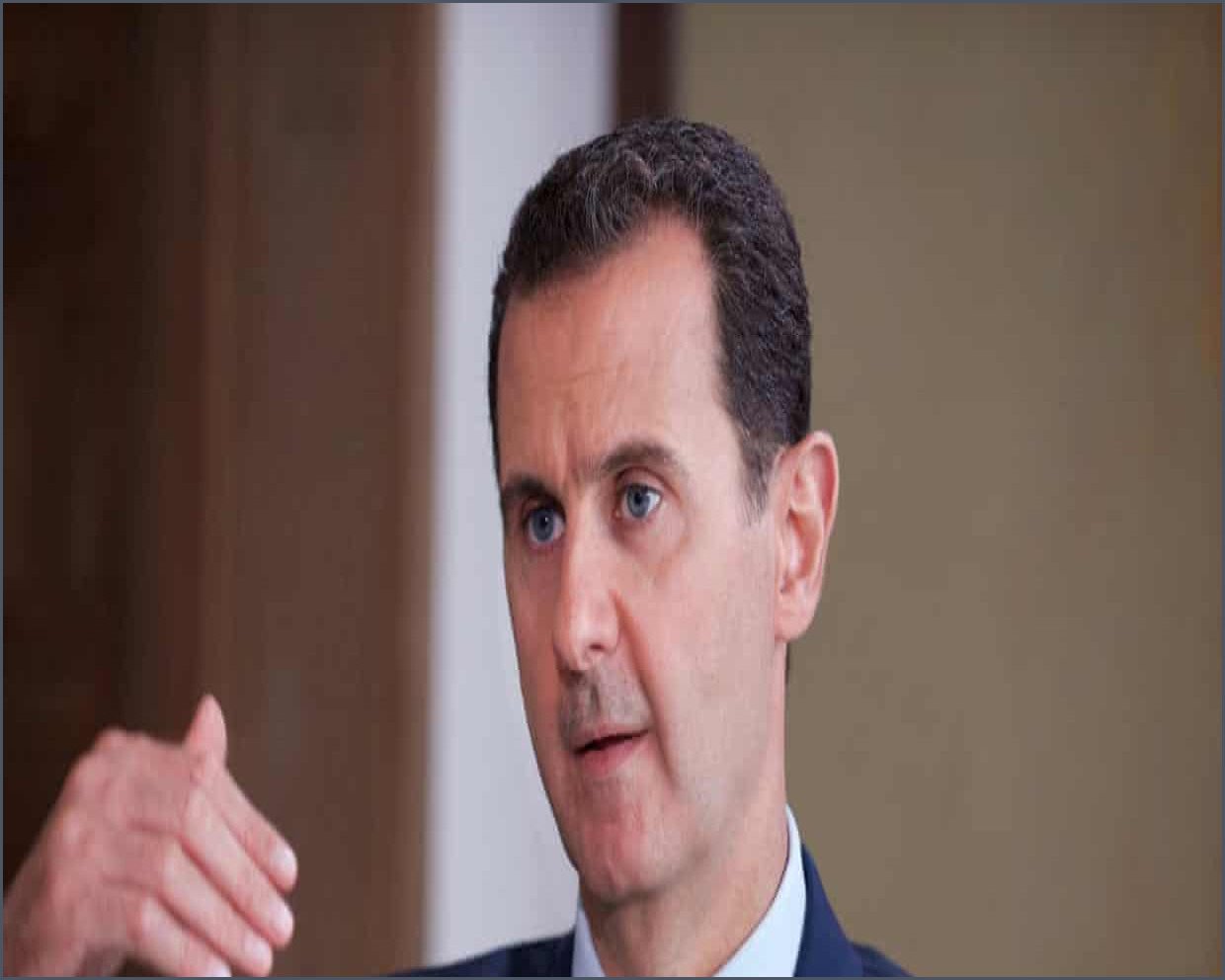
A Syrian court has issued death sentences for former president Bashar al-Assad and his brother, Maher, in absentia. The verdict stems from war crimes and crimes against humanity committed throughout the nation’s 14-year civil war, a conflict that resulted in the deaths of approximately 500,000 people. Both men fled to Moscow following a lightning rebel offensive in December 2024 that dismantled the dictatorial regime in just 11 days.
The court found the former president guilty of premeditated and intentional murder, specifically noting the deaths of children, as well as charges of torture, arbitrary arrest, and crimes against humanity. Maher al-Assad, who commanded the regime’s fourth division and served as a top security official, was also implicated in the brutal crackdown that began in 2011 to suppress protests. While the court has expressed an intent to pursue international legal channels for prosecution, Russian officials have historically refused to extradite the former Syrian leaders.
In a related ruling, the court sentenced Atef Najib, Assad’s cousin and the former head of political security in Daraa, to death. Najib’s involvement is linked to the 2011 torture of 15 young boys who painted anti-Assad graffiti on a wall, an incident that served as a catalyst for mass protests across the country. Najib’s trial, which featured him appearing in a cage while wearing a prison uniform, has been highlighted by the Syrian government as a significant step in the pursuit of transitional justice.
The nation continues to struggle with the legacy of the Assad era. Since the regime's collapse, Syria has faced outbreaks of sectarian violence, including the deaths of 1,500 people in March 2025 during retaliatory killings and the massacre of over 1,700 people in the Druze-majority province of Suweida in July 2025. Authorities are currently working to establish committees and arrest former officials in an effort to mitigate these intercommunal tensions.
Bashar al-Assad had inherited power from his father, Hafez, in 2000 at age 34. Although originally trained as an ophthalmologist in London and initially portrayed as a reformer, his administration became defined by the use of a vast security apparatus to arrest, torture, and kill civilians on an industrial scale.