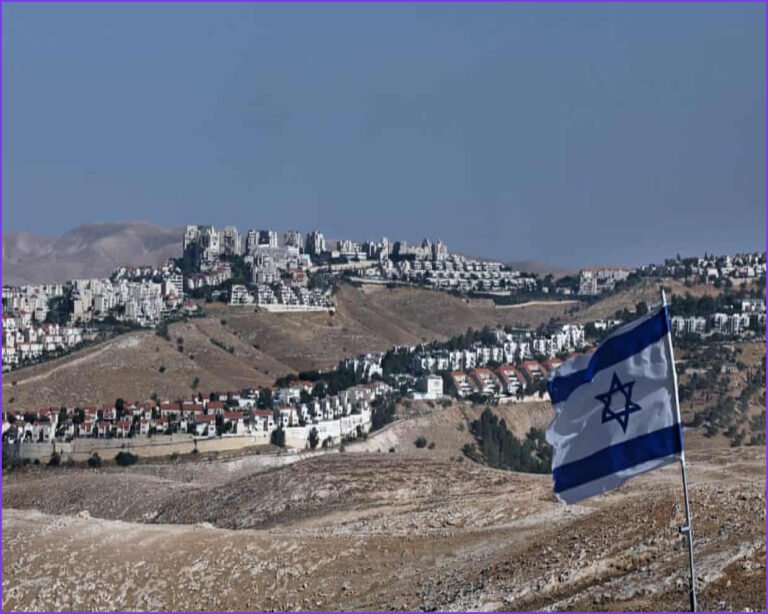
Israeli Prime Minister Benjamin Netanyahu and Defense Minister Israel Katz have reportedly given the "quiet" approval for reconstruction efforts in an area of eastern Rafah, southern Gaza, currently under Israeli military control. According to reports from Army Radio on Sunday, the government authorized infrastructure works in a zone referred to as "Green Rafah" to facilitate a residential project intended for Palestinians outside of Hamas control.
The designated "Green Rafah" location sits within the so-called Yellow Line, which separates Israeli-occupied territory from zones where Palestinian movement is permitted. Reports indicate that the area has been completely cleared and leveled, remaining empty until now. The radio report suggested the site would eventually fall under the control of a multinational force. The newly approved infrastructure initiatives are intended to allow contractors and workers to enter the site to conduct excavations and install essential utility systems, including electricity, water, and sewage.
Israeli security sources indicated that these contractors would be Palestinians from Gaza who are currently undergoing security screenings by the Shin Bet to gain access to the Yellow Line area, with work expected to commence within weeks. However, the office of Prime Minister Benjamin Netanyahu has contested these reports, labeling them as distortions that rely on outdated information. The Prime Minister's office clarified that the project is actually a pilot initiative backed by the UAE that has been in progress for several months. They further asserted that the electricity, sewage, and water works will be supervised directly by the Israeli army rather than by contractors from Gaza.
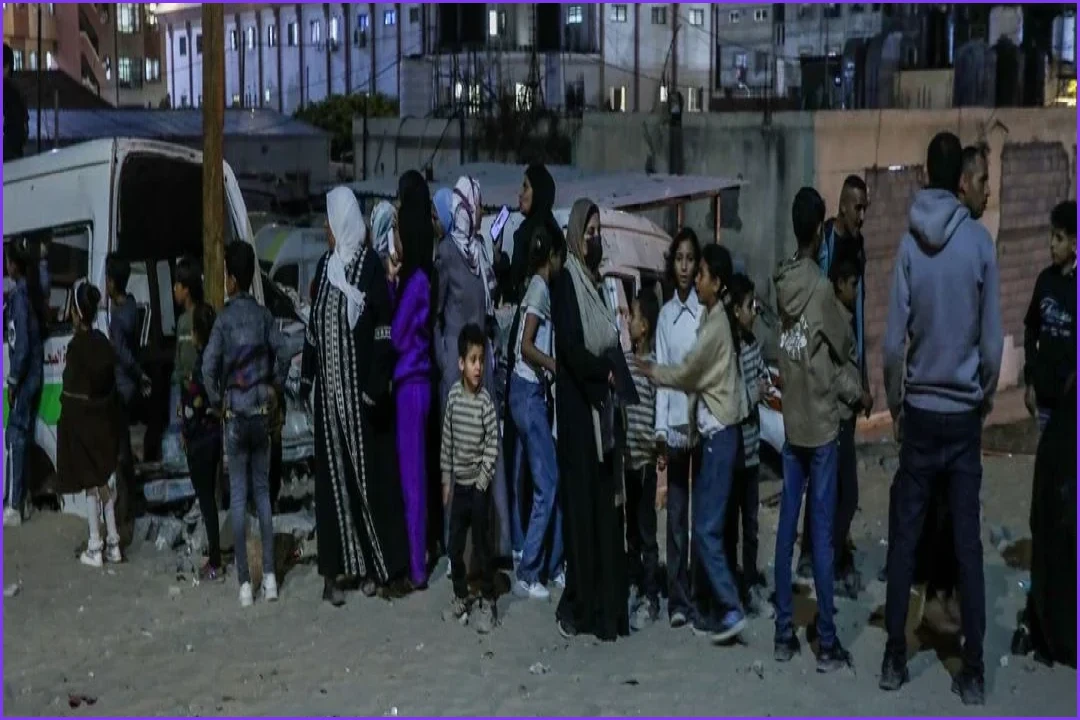
Since October 2023, the Israeli military has engaged in a war in Gaza that has resulted in the deaths of more than 73,000 Palestinians and left over 174,000 injured, with the vast majority being women and children. The conflict has also caused widespread devastation, destroying approximately 90 percent of the enclave's infrastructure.