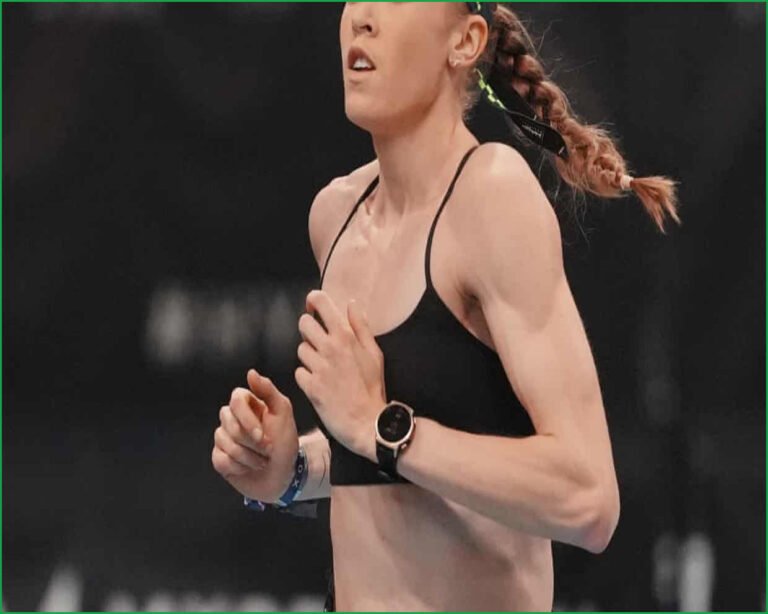
Canadian halfpipe skier Dillan Glennie, who made her Olympic debut at the 2026 Winter Olympics, has chosen Innsbruck, Austria, for a distinctive European summer experience. After four demanding competition seasons, Glennie sought a change from her usual training routine, which previously included glacier camps in North America.
Glennie, a freestyle skier from Vancouver Island in British Columbia, represented Canada and finished 14th in the women's halfpipe event at the Olympics. Her competitive history also includes appearances at World Cups, World Championships, X Games, and The Snow League. Halfpipe skiing involves navigating a large snow structure, performing tricks during aerial launches, with an Olympic run typically featuring around seven such jumps.
Currently based in Innsbruck, Glennie is training at Banger Park, a facility equipped with large jumps that lead into an airbag landing instead of a conventional snow landing. She explained to The Local that while this setup doesn't fully replicate a halfpipe, it effectively allows her to work on air awareness, practice tricks, and build repetition before transitioning back to snow. The training facility was a primary reason for choosing Tyrol, but it was not the sole factor.
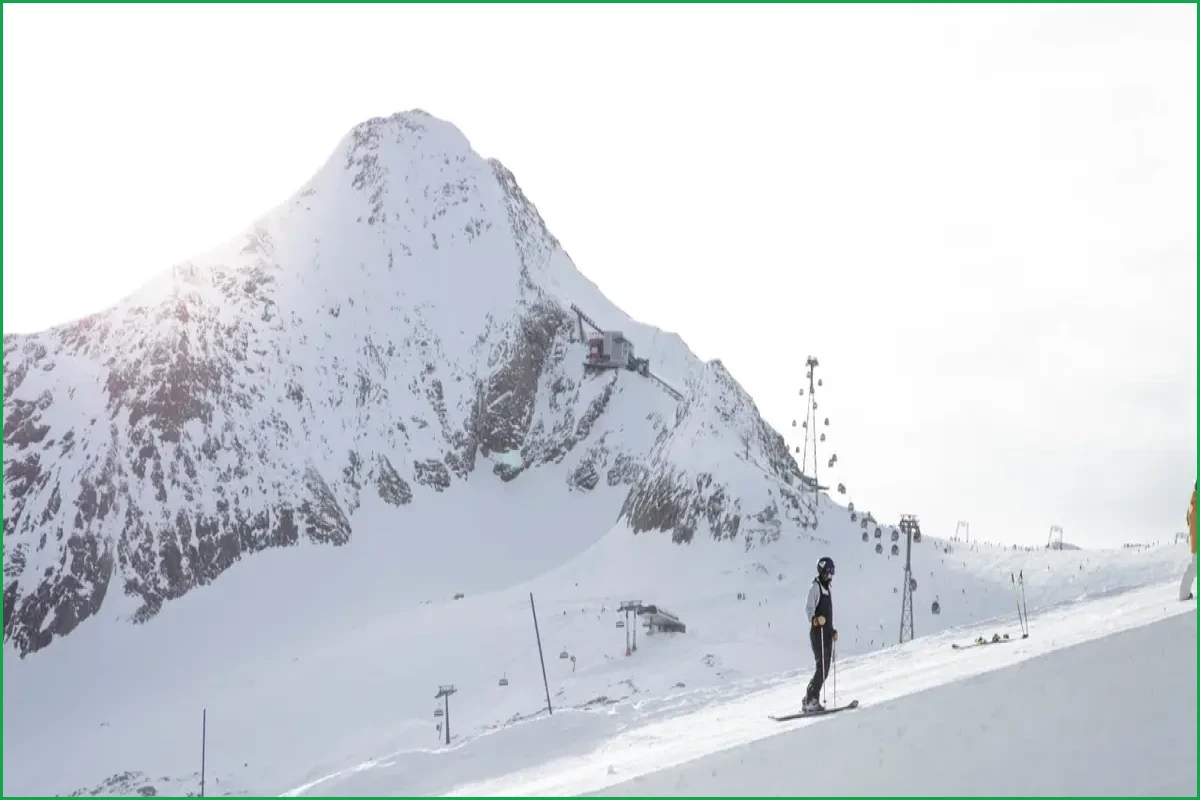
"I also just really wanted to have a European summer. It's been so fun being here and having had lots of really cool experiences because all the countries are so close. It's been cool travelling around and seeing all that too," Glennie stated. She had previously visited Austria for autumn training camps at the Kitzsteinhorn glacier, but this summer stay provides an opportunity to experience the country beyond the typical cycle of snow camps and competitions.
In Innsbruck, Glennie is training without her regular coach. Instead, she has found the community at Banger Park to be an integral part of her training process. She feels comfortable asking for advice on jump speeds, the condition of the airbag, or feedback on her jumps. "It's a very supportive community, and everyone knows that this sport is scary and there are risks to it. Everyone understands that and supports each other through that," she said.
Glennie highlighted that Innsbruck's appeal lies in its concentration of individuals involved in skiing, snowboarding, and other outdoor sports. Her shared living situation reflects this diversity, with roommates who are skiers, snowboarders, rock climbers, and mountain bikers. Her social circle also includes Austrian and German friends, alongside athletes and outdoor enthusiasts from various other countries. She noted that many people in Innsbruck are engaged in their own demanding or high-risk sports, which fosters a shared understanding of the skill, fear, and preparation involved.
"I think it's a big hub. It's like our culture is the same in every place, but Austria or Innsbruck in particular brings a lot of those people here. It clusters everyone, which is nice," she commented.
The summer in Austria also represents a deliberate departure from Glennie's usual training routine. After several intense years leading up to the Olympics, she felt the need for a change from the demanding nature of the past four seasons. "I chose to train in Austria this year because I really felt the past four seasons were a lot. They were very heavy seasons and a lot of dedication and focus, and I just needed a bit of a change," she explained.
In previous years, her spring and summer preparations often included training on the glacier at Mount Hood in Oregon. This year, she opted for Innsbruck's airbag and gym facilities. She is preparing for the return of the World Cup circuit next winter season, along with The Snow League and a planned X Games League. Austria has provided Glennie with a way to prepare for these competitions while also allowing for what she described as an "ordinary summer" – a luxury elite athletes often lack.
Glennie described Innsbruck as a place where intense training coexists naturally with everyday life. She finds a "good balance of hard training and being an athlete and doing really extreme sports. But also going to a café and getting a matcha with your friends."
Austria's central location has also made Glennie's summer considerably more international. She recently returned from a hut trip in France, which involved hiking to visit a friend who works in a mountain hut. The journey itself, driving through Switzerland, Italy, and Germany, offered a striking experience of rapid changes in scenery, language, and cuisine across borders. "I think it's so crazy how quickly the cuisine changes and the borders are so close, but everything is so separate. And I think that's really cool," she said.
Her schedule has been filled with training, hikes, and trips. Before returning to Canada on September 1st, Glennie and her boyfriend plan to spend time in Spain and try surfing on the European coast. "It's so easy to get carried away and just have every single weekend full here," she noted.
Life in Austria has presented some cultural adjustments. Glennie admitted her German is limited to basic phrases for greetings, thanks, and ordering, describing it as "a little bit embarrassing how bad it is." However, English is generally sufficient in international Innsbruck, and friends have informed her about the local Tyrolean dialect, though she hasn't needed to rely heavily on German in her daily life.
A significant surprise for Glennie has been grocery stores not being open on Sundays, a contrast to the seven-day-a-week operations common in Canada. She mentioned that after some time, she began to appreciate the quiet that comes with the weekly shutdown. While she has enjoyed travelling through Italy and France and appreciates Austria's coffee culture (her usual order is a cappuccino with non-dairy milk), she misses certain foods from home.
"I do miss having really good sushi and Asian food. I haven't found a good Asian food place here yet that matches what's at home," she shared. Being landlocked, she also misses the ocean. Her home on Vancouver Island is close enough to the coast for short walks to watch the sunset. Despite these differences, she finds comfort in the natural surroundings, noting that "The forests are very similar, which is quite nice. I love being at home and in the forest, so it's nice having that same homey feeling, especially in nature."
READ ALSO: For how much longer will people be able to ski in Austria in the summer?
READ ALSO: Discover Austria – How to make the most of 24 hours in Innsbruck