Pakistan’s ruling party has secured a significant advantage in the legislative assembly elections for Pakistan-administered Kashmir. According to regional election commission spokesman Raja Shakeel, candidates supported by the Pakistan Muslim League-N party, led by twice-elected former Prime Minister Nawaz Sharif, have captured 24 of the 34 seats decided across the first two phases of the vote.
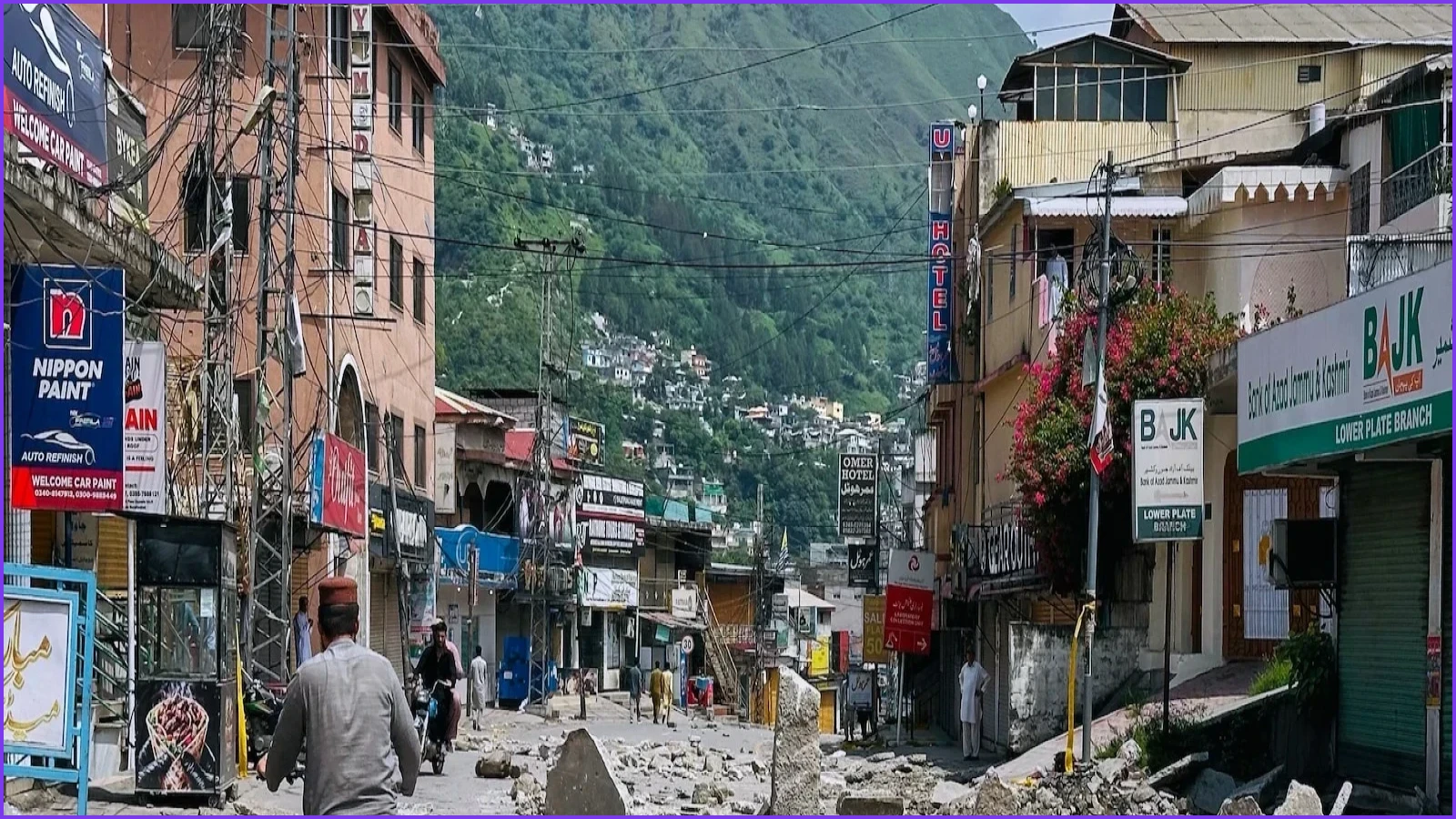
The election process is being conducted in three distinct phases, a decision necessitated by heavy monsoon rains and ongoing security concerns that have hindered traditional large-scale outdoor campaigning. While voting for the remaining 11 seats is scheduled for August 10, the ruling party is already positioned to form the next regional government, marking a return to power in the territory after a decade-long hiatus.
This electoral cycle has been heavily influenced by a boycott campaign spearheaded by the Joint Awami Action Committee (JAAC), an organization that was recently banned by the regional government due to public order and security issues. The group has been vocal in its opposition to 12 legislative seats reserved for individuals displaced from Indian-controlled Kashmir following the end of British colonial rule. The JAAC contends that these seats grant disproportionate political influence to those living outside the region and has demanded their abolition. This controversy was further addressed in June when the regional Supreme Court ruled that these seats are constitutionally protected and cannot be eliminated without an amendment.
Despite weeks of protests, clashes between JAAC supporters and police, and the group's active efforts to discourage residents from participating, election officials reported a turnout exceeding 56% in the regional capital and over 50% in many other areas. Analysts have noted that the high voter participation reflects a reinforcement of public confidence in the democratic process. Nawaz Sharif has publicly congratulated the winning candidates following the results of the initial phases.
Authorities have frequently accused the JAAC of attempting to disrupt the electoral process, with some officials alleging that members of the Pakistani Taliban infiltrated the group's protests. The JAAC, which formed in 2023 to advocate for greater political rights for Kashmiris, has not addressed these specific allegations. The government maintains that it has already accepted 36 of the group's 38 demands, noting that the issue of reserved seats remains a matter for the legislative assembly to resolve.
The Himalayan region of Kashmir remains a point of intense geopolitical dispute, with both Pakistan and India administering separate parts while claiming the entire region. The two nuclear-armed neighbors have engaged in two of their three major wars over the territory since gaining independence from Britain in 1947.