Residents across Cuba are grappling with the aftermath of the island's sixth total nationwide blackout this year. The state-run electric company reported the latest grid collapse on Sunday night, though officials did not provide a specific cause for the failure. While some power had been restored to Havana by Monday, vast portions of the Caribbean nation remained disconnected from the energy grid.
The current energy crisis is occurring against a backdrop of long-term economic instability, crumbling national infrastructure, and a significant wave of migration. The situation has intensified since January, following a Trump administration policy that effectively restricted the country's access to oil. The U.S. has maintained a pressure campaign against the communist-led government, including threats to impose tariffs on goods from nations that provide oil to Cuba.
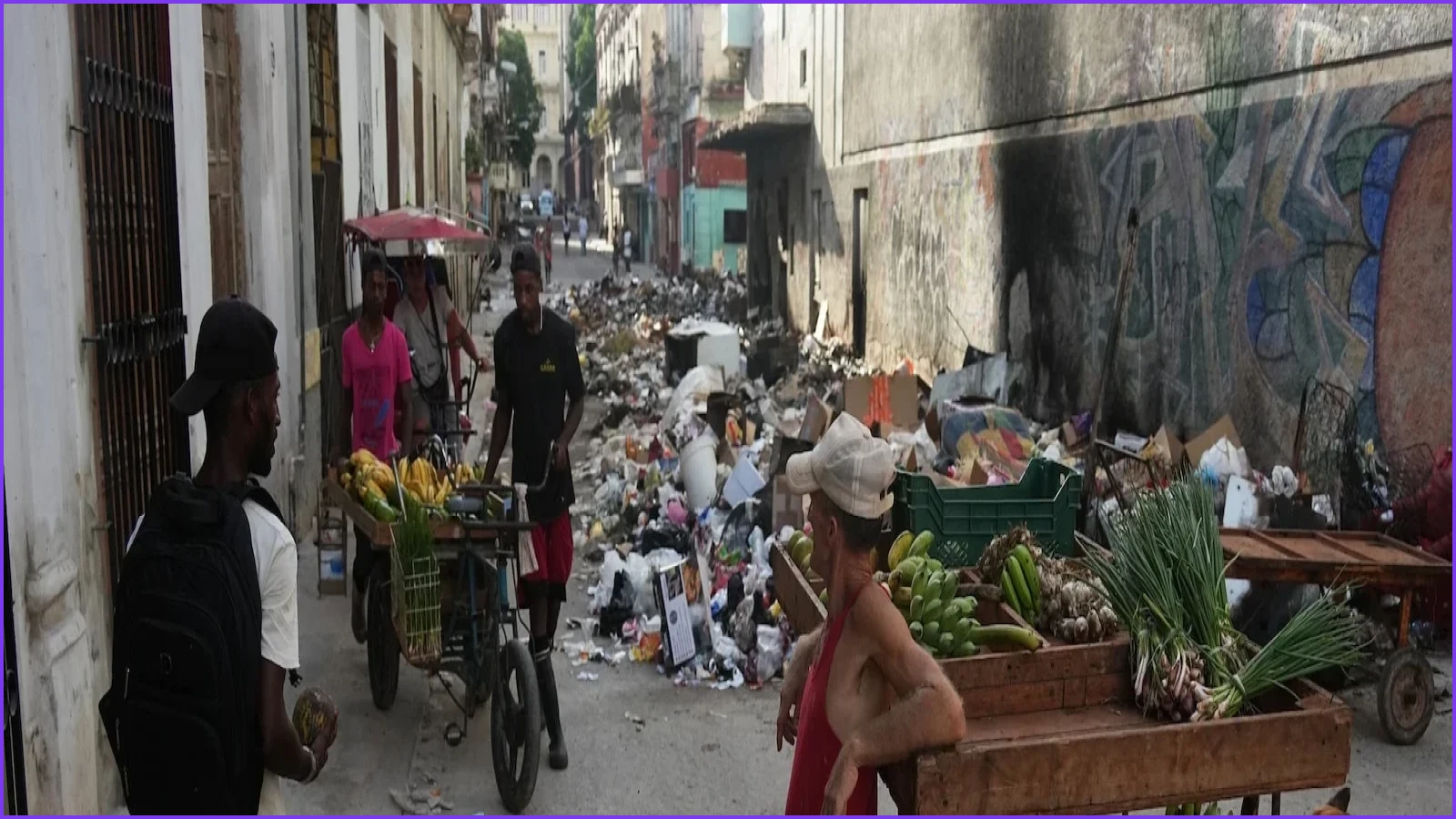
Energy authorities have struggled to maintain a stable grid throughout the year, reporting two total collapses in March, three in July, and one additional event, totaling 6 major failures, alongside several partial outages. The persistent energy instability has left the population facing daily rolling blackouts that often exceed 20 hours. These conditions have made the acquisition of basic goods and fuel a grueling, daylong effort for many citizens.
The impact of the energy crisis extends across the country, affecting major cities such as Pinar del Río, Matanzas, and Havana. The nation's tourism industry has bottomed out, and local hospitals have been left reeling from the lack of reliable power. In Havana, residents are increasingly turning to the city's famous boardwalk, the malecón, to sleep in the open air and escape the intense summer heat during power failures.
Obtaining gas and basic goods have become daylong endeavors.
Some now sleep along Havana's famous boardwalk, the malecón, with the benefit of the sea breeze.