As the Trump administration continues to block most pathways for migration to the United States, an increasing number of Cubans are turning to Brazil to escape the island's deepening economic and fuel crisis. According to government data, a record 41,000 Cubans applied for asylum in Brazil last year, reflecting a broader surge in the country's asylum applications.
In the southeastern city of Volta Redonda, the impact of this shift is visible as Cuban migrants congregate for community gatherings, such as Spanish-language Bible studies. Many of these individuals arrived within the past year, seeking refuge after the U.S. government implemented stricter immigration crackdowns. These migrants often maintain deep concerns for those remaining in Cuba, where frequent blackouts and critical medical supply shortages persist alongside a U.S. pressure campaign.
The journey to Brazil represents a significant reversal of typical migration patterns in the region. Because Guyana offers visa-free entry to Cubans, many fly there first before traveling through the Amazon to reach Brazil. For those who successfully navigate the journey, such as one migrant who found employment at an air conditioning company, the appeal of Brazil lies in access to electricity, food, and the ability to earn a wage.
Despite the influx, Brazil has not seen anti-migrant sentiment emerge as a dominant political force. Larissa Getirana, a representative for the refugee services group Caritas, noted that only about 1% of Brazil's population is foreign-born. While Brazil has vocal far-right politicians, they have frequently expressed sympathy for those fleeing left-wing autocracies like Cuba and Venezuela rather than opposing their arrival. This welcoming stance was highlighted by Gehad Madi, a U.N. migrants' rights expert, who during a March visit praised Brazil's non-criminalizing and open approach to human mobility as a leading example in Latin America.
However, the situation remains complex. Rights groups point out that Brazil’s policies have tightened in certain areas. Since 2024, the government has prohibited some arrivals at São Paulo's main international airport from applying for asylum, a move officials claim is intended to stop the country from being used as a transit point for reaching the U.S. and to fight human trafficking. Experts like Paulo Illes and Larissa Getirana suggest that U.S. pressure to curb northward migration has influenced these policy changes.
For Cubans arriving in Brazil, the asylum process offers temporary legal protection and work authorization, though final decisions can take years and require proof of persecution. Advocacy groups, including Missão Paz, have urged the government to grant broader residency permissions to Cubans, similar to policies previously enacted for Venezuelans. While the Brazilian justice ministry maintains that its policies will continue to follow national law, former official Paulo Illes suggests that ideological ties between the Brazilian and Cuban governments may complicate the recognition of a large refugee group. Despite these uncertainties and the lengthy wait for residency, thousands of Cubans continue to arrive each month, seeking the safety and opportunity they feel they can no longer find at home.
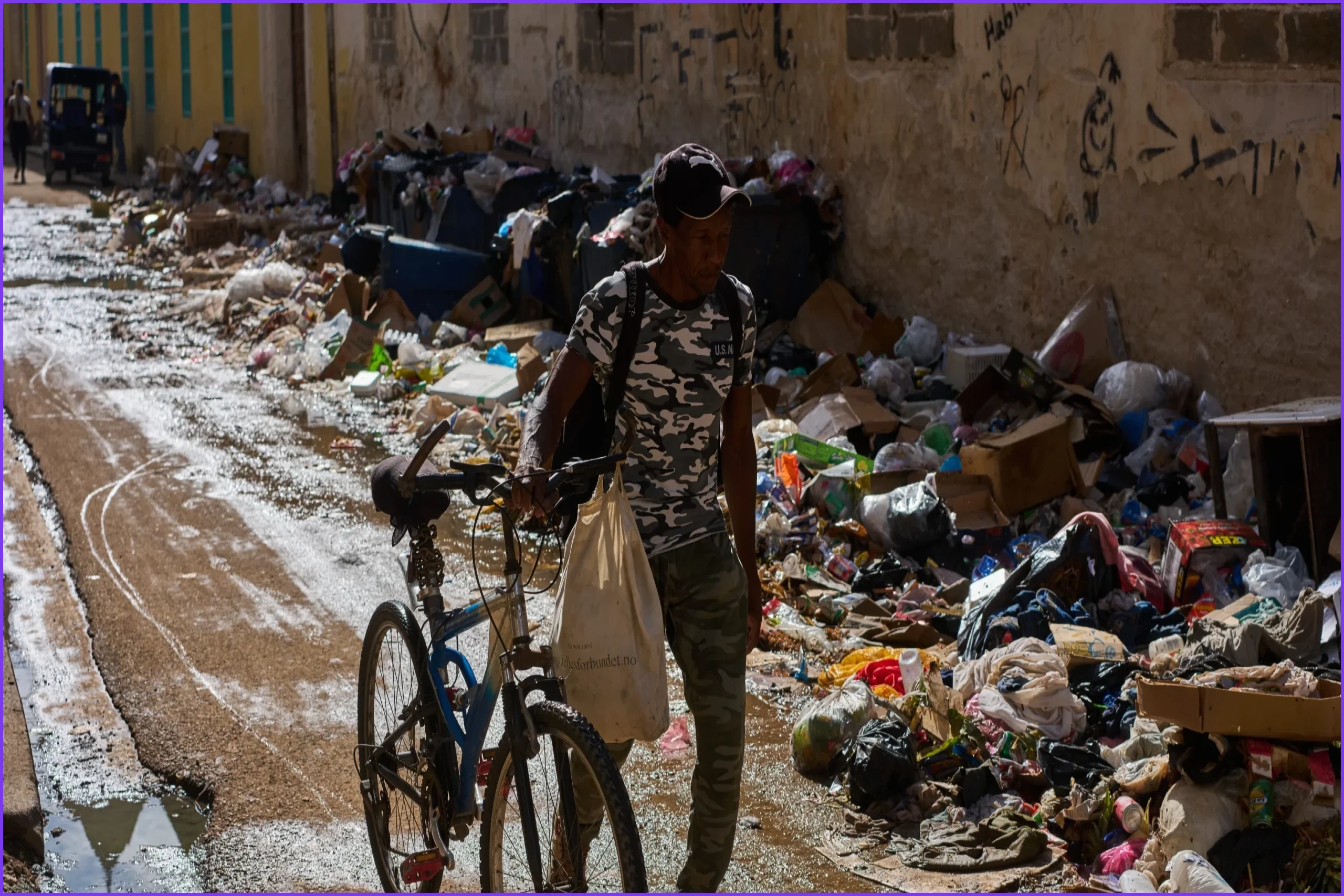
A man pushes his bicycle along a trash-strewn street in Havana, Cuba, Tuesday, June 9, 2026. Ramon Espinosa/AP Photo hide caption
Beatriz Céspedes, who fled Cuba for Rio de Janeiro, said "there are countless opportunities here that give you spiritual peace."