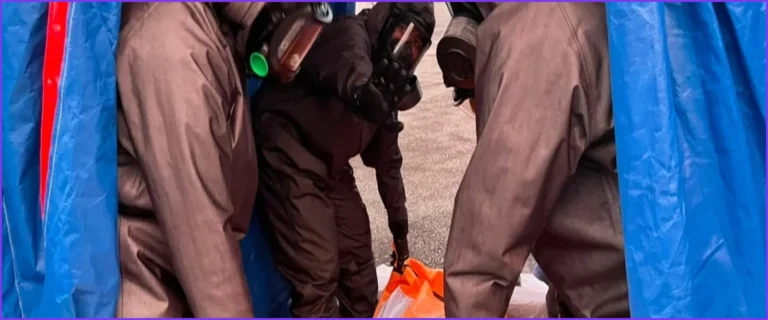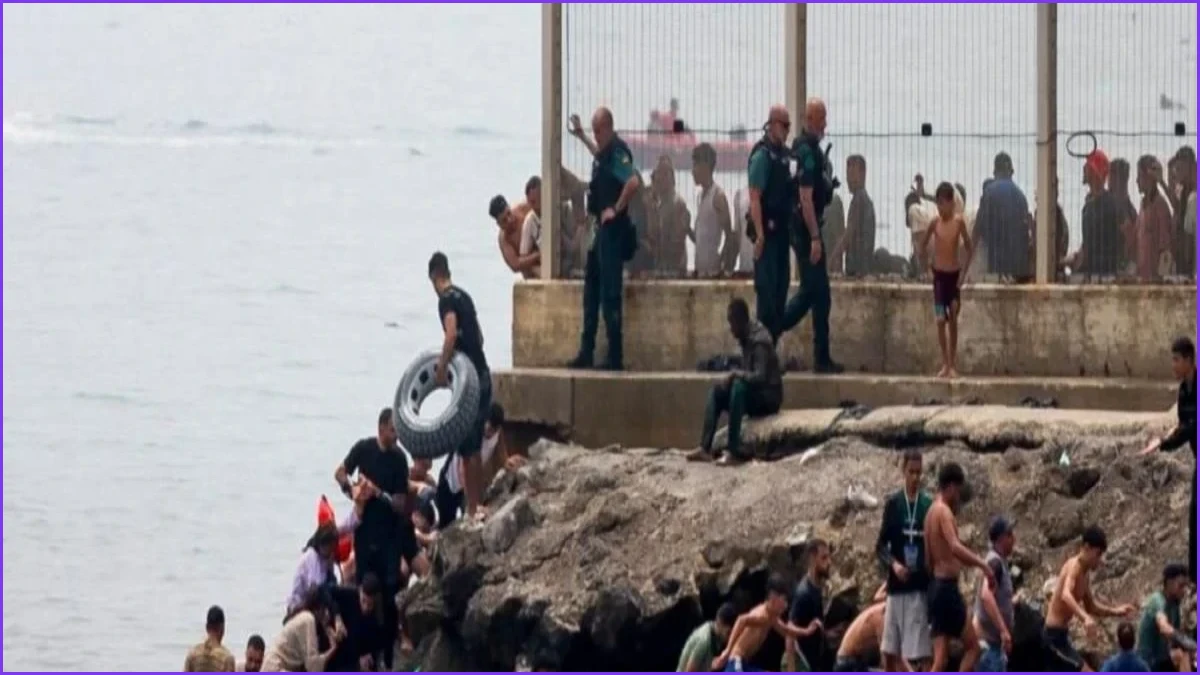
The European Union has scheduled an emergency meeting for Tuesday to address the escalating migration crisis in the Spanish enclave of Ceuta. This development follows a period of intense diplomatic friction between Spain and several other member states. A group of 22 EU nations has formally issued a joint letter calling for coordinated action and a significant strengthening of the bloc's external borders, prompted by the arrival of approximately 60,000 migrants who entered the enclave from Morocco.
The letter, which highlights concerns regarding "hybrid threats" intended to create the false perception that unauthorized entry into the European Union is viable, warns that such events undermine confidence in common migration policies. The document bears the signatures of leaders from the Netherlands, Finland, and Belgium, and was addressed to EU President Antonio Costa, European Commission President Ursula von der Leyen, and Taoiseach Michael Martin, who currently holds the presidency of the Council of the European Union.
Tensions have been further inflamed by the reactions of various member states. Spain’s Prime Minister, Pedro Sánchez, expressed "serious concerns" regarding the conduct of some European governments, describing their responses as "selfish, polarising and unlawful." While noting that most partners offered solidarity, Sánchez criticized those who attacked Spain based on what he termed "prejudice, fake news, ignorance, or political interest." He explicitly reminded critics that Ceuta does not fall within the Schengen area.
The diplomatic fallout included Italy’s decision to suspend its border-free Schengen arrangement with Spain for one month, a move supported by Finland and Denmark. Other nations, including France and Portugal, have indicated they are considering similar border checks. Danish Prime Minister Mette Frederiksen has urged the EU to evaluate all options, including a broader suspension of Schengen cooperation.
European Commission President Ursula von der Leyen condemned the images from Ceuta as "unacceptable," emphasizing that the Union must enforce its rules.
Despite the high volume of arrivals on July 30, Spanish Interior Minister Fernando Grande-Marlaska stated on Saturday that the situation has largely returned to normal, with businesses reopening and almost all migrants having already left the territory. He noted that the government is currently working on installing an inflatable barrier to prevent future illegal crossings via water.
Prime Minister Sánchez attributed the surge to traffickers exploiting a recent supreme court ruling that limited the government's ability to immediately deport individuals arriving by sea. He confirmed that Spain has successfully restored full border control and prevented any unauthorized movement toward continental Europe within 48 hours.
Ceuta, along with Melilla, serves as the only land border between the European Union and Africa. The region has historically been a focal point for migration, with frequent pushes occurring during summer months, often coordinated via social media. In 2021, a similar surge saw 8,000 people enter the enclave.
While the current number of casualties has reached at least 67, international leaders have begun to respond, with German Chancellor Friedrich Merz calling for the immediate return of migrants to Morocco and UK Prime Minister Andy Burnham offering support to the Spanish government.
Morocco has recently faced domestic pressure, including anti-government protests by younger citizens demanding improved public services and opportunities.
Some criticism of the situation has involved concerns over the Schengen Area – an agreement which eliminates border checks and now encompasses more than 450 million people and 29 countries in Europe.
Spain has a relatively friendly approach to immigration. In April, the government approved plans to give legal status to 500,000 undocumented migrants, allowing them to be formally integrated into the workforce.