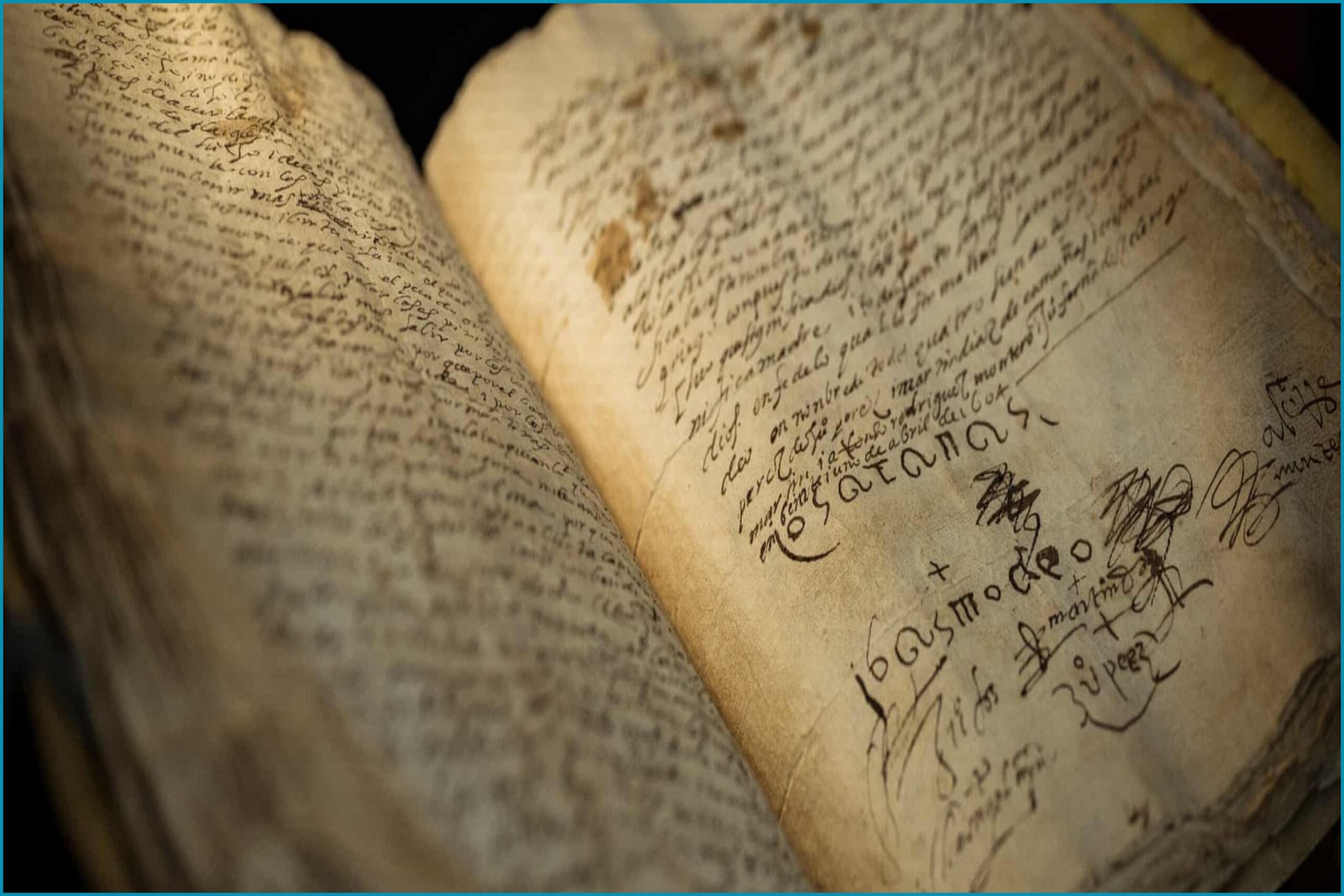
Australian secondhand booksellers are expressing growing alarm that their rare physical collections are being systematically destroyed to fuel the development of generative artificial intelligence. For many vendors, books represent more than just content; they are historical artifacts that carry unique stories. Tim White, owner of Books for Cooks, emphasized that for rare booksellers, the physical object is as significant as the text it contains, noting that they often handle items that offer deep insights into human experience.
The concern stems from a wave of unusual orders from a Canadian company known as Zoom Books, which describes itself as a book recycler. Multiple Australian vendors reported receiving these orders through major marketplaces like Abebooks and Biblio. Unlike typical customer requests, these orders were often price-insensitive and appeared random, spanning niche topics from soil mechanics manuals to obscure local histories and poetry collections. Some vendors speculated the company may be buying the books on arbitrage—common enough in the secondhand book trade—but the specific requests nevertheless seemed odd. In one order, a 1970 manual on soil mechanics was bought alongside a 2010 book called Born to Thunder: Champions of New Zealand Cycling, a collection that spanned 1982 to the present, involving 9 distinct categories and 20 individual volumes. Delfina Manor of Good Reading Secondhand Books in Benalla, Victoria, recalled receiving an order for approximately 30 to 40 books that required significant effort to pack and ship. Similarly, John Sainsbury of Melbourne’s Sainsburys Books noted a surge of random, bulk orders that necessitated shipping multiple boxes overseas.
While some booksellers speculate that these purchases might be for arbitrage, others fear the books are being acquired for destructive scanning—a process where physical books are cut up and digitized to train large language models. Nick Dawes of Grant’s Bookshop, who manages a vast inventory of roughly 500,000 books, expressed discomfort at the idea of unique copies being destroyed for such purposes. Rare bookseller Gwenyth Todd of Chatelaine Books echoed this sentiment, describing the practice of slicing up books for individual prints or digital scanning as "physically abhorrent."
In response to the allegations, a spokesperson for the AI company Anthropic stated that while sourcing books is a common industry practice for training, the company does not purchase from Zoom Books and does not engage in programs that destroy rare or antiquarian titles. Zoom Books co-founder Manroop Gill recently noted on LinkedIn that the company has been expanding aggressively. A spokesperson for Zoom Books denied the company performs destructive scanning, asserting that they acquire secondhand books to resell them intact and that items which cannot be rehomed are responsibly recycled. The company declined to comment on its specific clients, citing confidentiality agreements.
“Sometimes books tell you more than the content,” says Tim White, as he lines up carefully dust-jacketed books and pamphlets in plastic sleeves on temporary shelves in Melbourne University’s Wilson Hall.
“They ordered, paid in advance, and they didn’t quibble over the postage … [but] it would have been about 30-40 books, and so finding them, packing them, making sure you hadn’t missed one out … It was just driving me nuts,” Manor said.