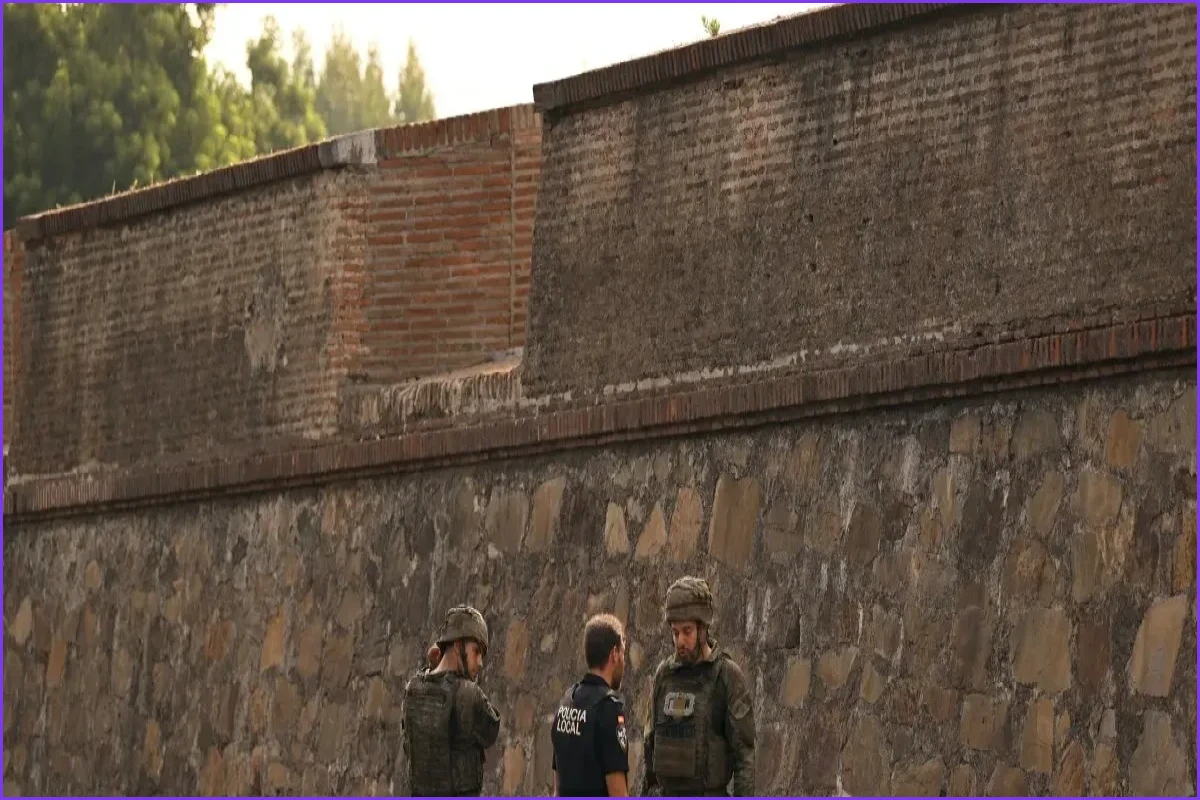
A coalition representing a majority of European Union countries issued a formal call on Saturday for emergency talks regarding the sudden arrival of tens of thousands of migrants in the Spanish enclave of Ceuta, located in North Africa. Leaders from 22 of the bloc's 27 member states signed an open letter demanding that interior ministers hold a video meeting as a matter of urgency. The objective of this proposed summit is to forge a rapid, coordinated response and establish measures to prevent further uncontrolled border crossings.
The joint statement emphasized a collective duty to effectively deter and combat illegal migration. Signatories to the letter included Italian Prime Minister Giorgia Meloni—who has already temporarily suspended Schengen-area rules with Spain—alongside Danish Prime Minister Mette Frederiksen, German Chancellor Friedrich Merz, and the prime ministers of Hungary, Sweden, and Poland. Notably, the leaders of France and Portugal, both of which share direct borders with Spain, did not sign the document.
The signatories warned that allowing uncontrolled mass crossings or the instrumentalization of migration could be perceived as a hybrid threat, potentially undermining trust in the common EU migration policy. The letter suggested that ministers should prioritize enhanced support from Frontex and evaluate the effectiveness of current cooperation with Morocco. It further noted that, as of Saturday, no unauthorized onward movements toward the European mainland had been recorded.
Spanish interior ministry officials reported on Saturday that the situation in Ceuta was nearing normalcy, noting that nearly all of the 60,000 migrants who breached the border since Wednesday had since departed. Officials reiterated that under existing Schengen Area regulations, Ceuta and the nearby enclave of Melilla operate under specific procedures for border controls. Irregular entry into these enclaves does not grant individuals the right to remain in Spain, travel to the mainland, or move freely throughout the European Union.
Meanwhile, France has clarified its position regarding the Schengen status of Spain. French Interior Minister Laurent Nunez stated on Saturday that his country would not seek Spain's suspension from the agreement. He described the cooperation with Spain as excellent and confirmed that such a suspension was not being considered. France has, however, reinforced controls along its southern border with Spain.
An open letter from the leaders of 22 of the EU's 27 members demanded the bloc's interior ministers have a video meeting "as a matter of urgency" to agree a speedy coordinated response, and to "prevent further uncontrolled crossings".
READ ALSO: Can an EU member state be kicked out of Schengen zone?