The European Commission has confirmed that no irregular migrants have successfully traveled from the Spanish enclave of Ceuta to the European mainland. This clarification follows a significant surge in arrivals that has caused tension across Europe and led to calls for Spain to be suspended from the Schengen free-movement area.
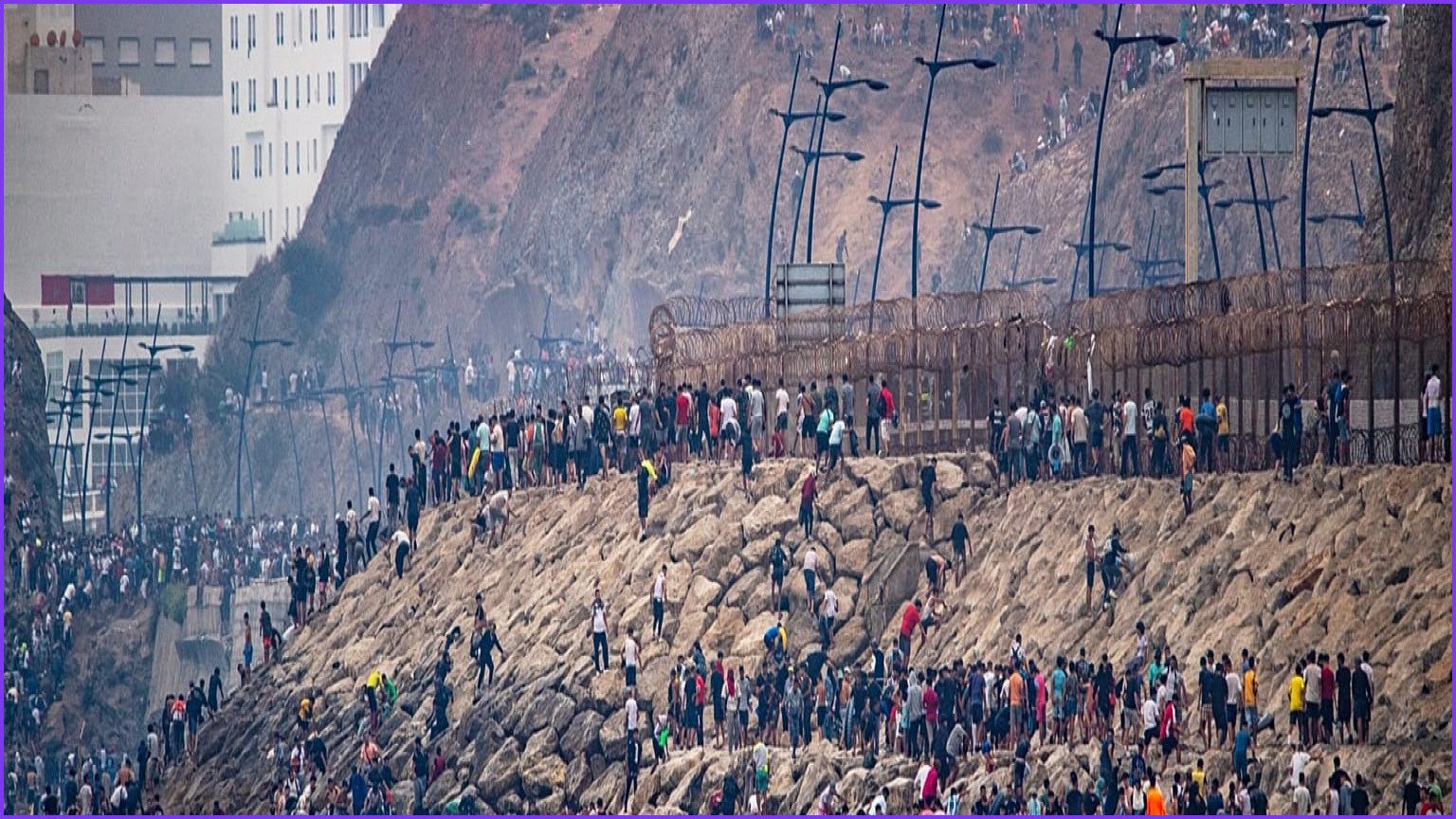
An EU official rejected suggestions from various right-of-centre political figures that migrants could move freely through the continent, stating clearly: "There are no onward movements today towards the European continent." On Thursday, approximately 60,000 migrants, primarily from Morocco, entered the enclave in what represents the largest irregular arrival surge ever documented on EU territory. Several nations, including Finland, Italy, and Denmark, have criticized the government of Spanish Prime Minister Pedro Sánchez, alleging that it failed to secure Europe's external borders adequately.
Although Ceuta is Spanish territory, it remains subject to specific regulations under the Schengen system. A European Commission official noted that checks on individuals departing from Ceuta and Melilla are strictly maintained, effectively treating these areas as the EU's external border. Schengen rules for free movement apply exclusively to EU citizens, individuals holding valid residence permits, and travelers who meet the criteria for legal entry. Consequently, those who enter Ceuta without authorization are unable to board flights or ferries to mainland Spain without first passing through identity checks.
For those who apply for asylum, accelerated procedures introduced last June allow for the application of detention measures. Applicants are prohibited from leaving Spain while their claims are being processed and face the risk of being returned if found elsewhere in the European Union. Furthermore, because Morocco is classified by the EU as a “safe country of origin,” its citizens are generally ineligible for international protection. Data from the EU Agency for Asylum indicates that Moroccan citizens have a recognition rate of only 6%, meaning most individuals who entered Ceuta are likely to receive return orders. According to Spanish authorities, nearly half of those who arrived on Thursday have already returned to Morocco voluntarily.