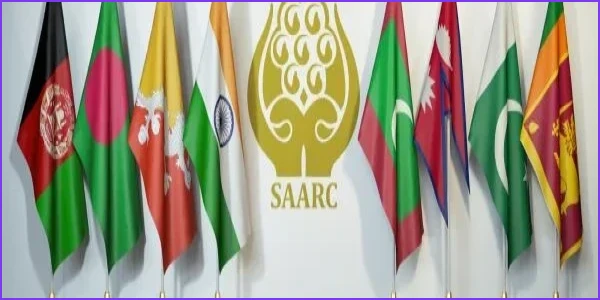
South Asian nations are once again demanding the revival of the South Asian Association for Regional Cooperation (SAARC), seeking to overcome the long-standing regional friction between India and Pakistan. During the Maldives’ Independence Day celebrations on July 26, President Mohamed Muizzu urged member states to return to the negotiating table and resume summits. Emphasizing the need for regional peace and cooperation, Muizzu stated that the Maldives is prepared to mediate discussions among members. This represents his second major appeal for the organization’s revival, following a similar call during the 40th Charter Day in December 2025.
Bangladesh has also emerged as a vocal advocate for the bloc. Foreign Minister Khalilur Rahman, who attended the Maldivian Independence Day ceremony, previously signaled his government's commitment to the organization. In February, he informed SAARC Secretary-General Golam Sarwar that Dhaka supports revitalizing the group to address critical issues including trade, connectivity, poverty reduction, energy, climate change, food security, education, and health. The revival of SAARC is a key foreign-policy goal for Prime Minister Tarique Rahman, whose father, former President Ziaur Rahman, originally proposed the organization's establishment.
The push for regional integration extends to voices in Sri Lanka and Nepal as well. Historically, the prospect of a pan-South Asian organization has been fraught with difficulty. The concept dates back to the 1947 Asian Relations Conference in New Delhi, though tensions between India and Pakistan consistently hampered progress. It was not until the late 1970s that shifting global economic trends and internal leadership changes created an environment suitable for cooperation. In 1980, President Ziaur Rahman formally proposed the organization. Although India and Pakistan were initially suspicious—fearing the group might be used to address bilateral grievances—both countries eventually joined to avoid being left out.
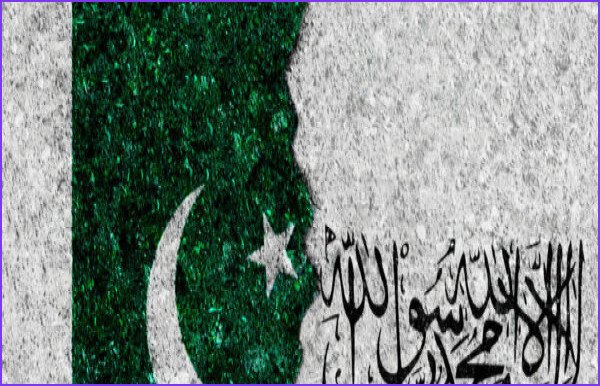
Over the subsequent four decades, the organization has struggled with structural constraints and the "hostility consensus" between India and Pakistan. The 1985 SAARC Charter was intentionally limited to functional cooperation to avoid contentious bilateral issues, yet this did not prevent dysfunction. No summits have been held since 2014, with the 2016 Islamabad summit cancelled following an attack on an Indian army base in Kashmir. Furthermore, economic integration initiatives like SAPTA and SAFTA have underperformed, with intra-regional trade hovering around 5 percent due to structural disparities and the dominance of the Indian economy.
Despite these challenges, no nation has formally withdrawn from the grouping. SAARC has seen success in non-political areas, such as the $22 million COVID-19 Emergency Fund. Today, many member nations face similar pressures to those seen in the late 1970s, including economic instability and the need for greater bargaining power against global trade shifts. Several countries have new leaders and shattered economies. Most importantly, the recent wave of U.S. tariffs and the potential unravelling of regulations that governed global trade have made regional blocs an attractive option for smaller nations desiring bargaining power — especially after ASEAN has shown that regional groupings are excellent in dealing with both China and the U.S. While India has increasingly shifted focus toward initiatives like BIMSTEC and the Indian Ocean Rim Association, smaller states argue that SAARC remains essential. As mounting regional crises create new incentives for cooperation, it remains to be seen whether the region’s larger powers will eventually return to the table to address the collective challenges facing South Asia. You have reached the limit of 2 free articles this month.