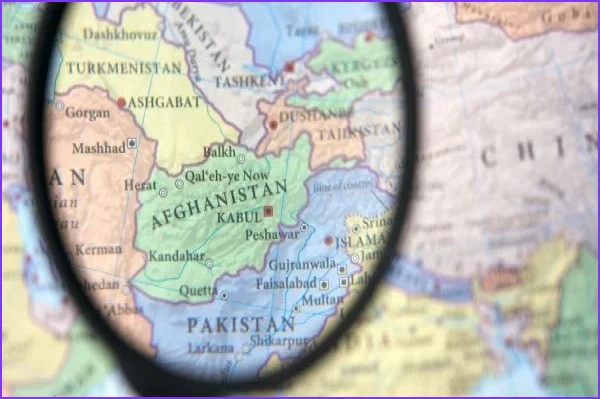
In the aftermath of the Taliban’s return to power in August 2021, an estimated 124,000 Afghans were evacuated, while millions sought refuge in neighboring countries like Iran and Pakistan. Five years later, the international policy landscape has shifted from prioritizing protection to emphasizing returns. This transition assumes that returning individuals to Afghanistan constitutes a durable solution, a premise that ignores the ongoing fragility and the persistent drivers of displacement within the country.
Since 2023, more than 6 million Afghans have returned from Iran and Pakistan. According to research conducted by the Mixed Migration Centre (MMC), approximately 80 percent of surveyed returnees were deported or expelled, indicating that a vast majority of these returns were involuntary. These individuals often arrive in Afghanistan having left behind their livelihoods, families, and support networks, only to face a lack of basic housing and employment opportunities. This environment makes successful reintegration nearly impossible, a situation expected to worsen as return pressures increase in nations further from the region.
European nations are also moving toward formalizing these pathways. In late June, a Taliban delegation met with representatives from 15 European countries and the European Commission in Brussels to discuss technical-level return and readmission agreements. Despite these diplomatic efforts, you have reached the limit of 2 free articles this month. The fundamental criteria for a dignified and safe return remain unmet, particularly for vulnerable groups such as religious and ethnic minorities or those perceived as opponents of the current de facto authorities.
Data from the MMC highlights the severity of the humanitarian crisis. Nearly 40 percent of returnees lack access to healthcare, and over half reside in inadequate housing. While violence has decreased since 2021, the country is grappling with an economic crisis exacerbated by the withdrawal of USAID and a significant reduction in humanitarian funding. Employment remains elusive, with less than 7 percent of women and 59 percent of men finding income-generating work.
Afghan women face even more acute challenges. Since 2021, their rights have been curtailed, including a ban on girls’ education beyond age 12, restrictions on employment, and the requirement for a male relative, or mahram, for movement. These constraints extend to accessing aid, with 65 percent of women returnees reporting they have received no assistance. Given the restrictions against women, their difficulty is much worse. Consequently, 61 percent of women surveyed expressed strong dissatisfaction with their lives in Afghanistan. For Afghan Women, Return Brings Additional Barriers as these structural barriers persist, the feasibility of sustainable reintegration remains in doubt.
Moving forward, the international community must prioritize long-term, holistic solutions over the narrow goal of physical return. The upcoming Regional Conference on Afghan Displacement and Solutions, organized by the Support Platform of the Solutions Strategy for Afghan Refugees (SSAR), offers a critical opportunity to shift the focus toward responsibility sharing and safe, dignified reintegration for all Afghans.