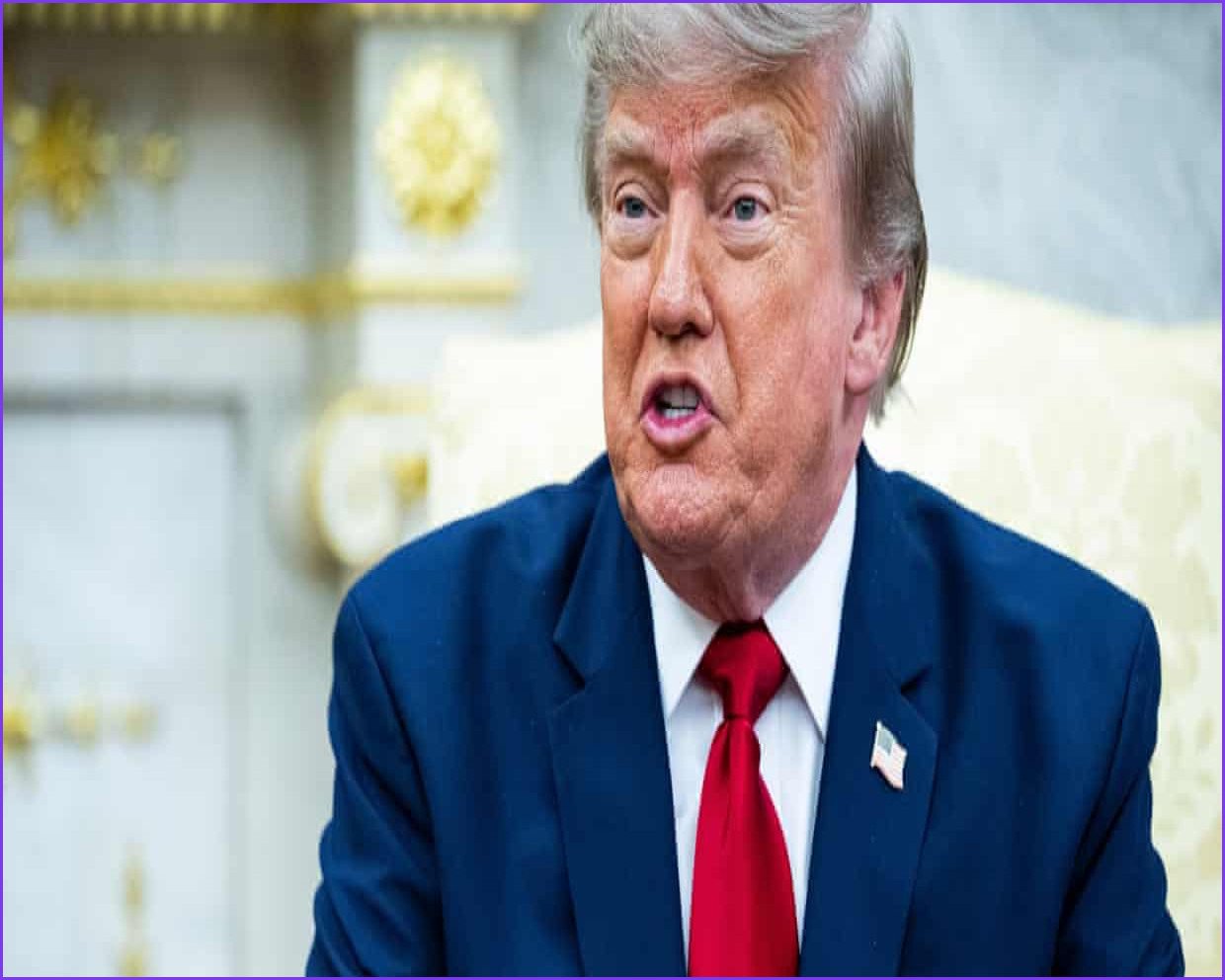
The White House announced on Monday that President Donald Trump is imposing 50% tariffs on a broad range of Canadian goods. The administration justified the move by claiming that Canada has unfairly discriminated against American motor vehicles, alcohol, and dairy products. These new levies, which are set to take effect in 30 days, are intended to hold Canada accountable for what the White House described as unreasonable and unequal treatment of U.S. commerce.
The tariffs will apply to many products, including cement, hockey sticks, and wine, as well as items that were previously protected under the United States-Mexico-Canada (USMCA) agreement. However, the administration has excluded energy products, fish, critical minerals, and potash from the new measures. Also exempt are goods already covered by national security tariffs, such as aluminum and steel. The proclamations were signed under Section 338 of the 1930 Trade Act, a provision that some Democratic lawmakers previously sought to repeal due to concerns regarding economic stability.
Canadian Prime Minister Mark Carney issued a statement emphasizing that his government has provided comprehensive proposals to resolve these trade disputes. Carney argued that previous U.S. tariffs violated existing trade pacts and noted that the ongoing dispute has increased costs for families, particularly within the United States. He stated that Canada is prepared to engage in intensive negotiations during the 30-day window to address outstanding issues.
The trade friction is further complicated by President Trump’s recent comments regarding wildfire smoke drifting from Canada into the U.S. Trump, who recently watched a World Cup final alongside Prime Minister Carney, told reporters he had confronted the Canadian leader about the smoke, claiming the air was being poisoned. A White House official indicated that the administration is exploring additional tariffs specifically related to the environmental impact of these wildfires.
The announcement has drawn sharp criticism from local officials, with Ontario Premier Doug Ford urging a reciprocal response. “If these tariffs proceed, Canada should respond tariff for tariff, dollar for dollar,” Ford stated on social media. Meanwhile, Candace Laing, CEO of the Canadian Chamber of Commerce, described the move as regrettable but stressed the importance of utilizing the 30-day negotiation period to make progress.
This economic escalation occurs amid a complex legal backdrop. In February, the Supreme Court ruled that Trump had illegally used emergency executive power for previous global tariffs, forcing the administration to seek alternative legal authorities. Furthermore, the U.S. has been required to repay $81 billion in tariffs during the current fiscal year. The new taxes carry significant political risk for Trump ahead of the November midterm elections, especially given that past trade actions previously triggered financial market volatility.
Trump noted in his autos proclamation that Canada maintained, starting in April 2025, a 25% tariff on the imports of US motor vehicles that did not qualify for preferential treatment under the USMCA.
In a 6-3 decision in February, the supreme court ruled that Trump had illegally used emergency executive power to impose his global tariffs, causing the administration to find alternative ways to raise import taxes based on a series of legal authorities.