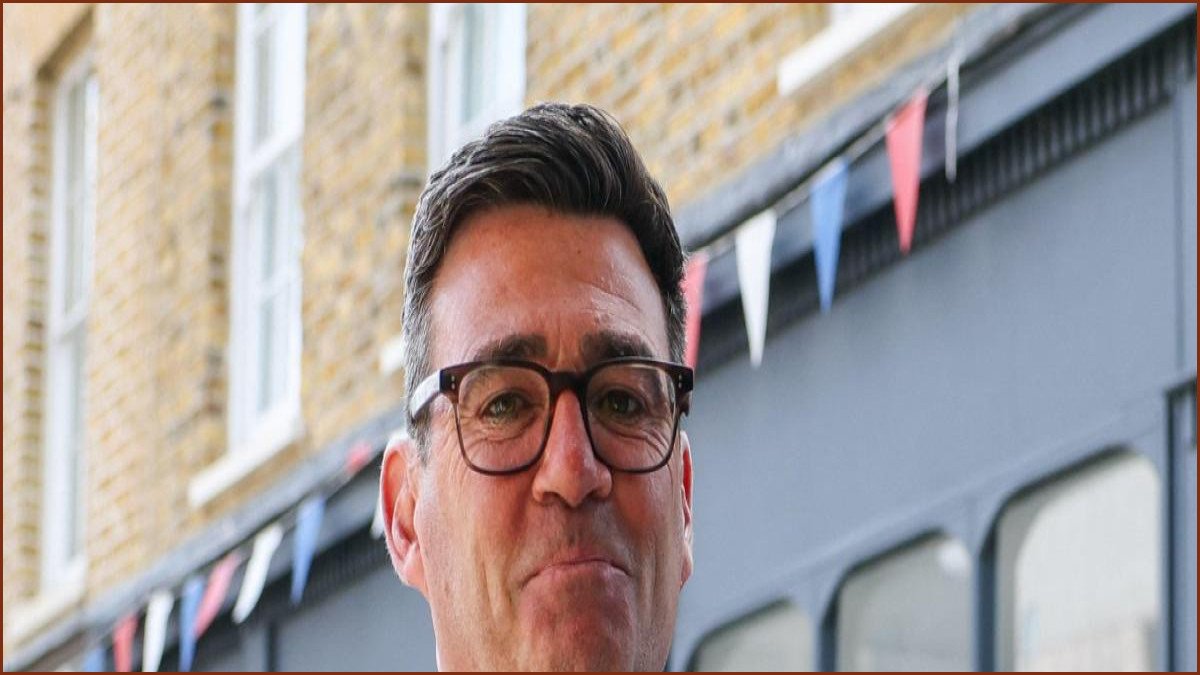
Incoming Prime Minister Andy Burnham is poised to announce plans for new oil and gas drilling in the North Sea when he assumes office this coming Monday. The decision marks a significant development in a long-standing energy debate, diverging from the Labour Party's 2024 manifesto pledge, which the new leader previously stated he would follow, to not issue new licences but to honour existing ones.
Central to the ongoing controversy are two oil and gas fields in Scotland—Rosebank and Jackdaw. These projects were initially approved by the then-Conservative government in 2022 and 2023, but were subsequently overturned in 2025 following a legal challenge. While specific details of the upcoming announcement remain limited, the move is expected to be part of a broader flurry of policy measures from the new administration.
Beyond energy policy, Mr. Burnham intends to initiate a "dynamic start" to his premiership, with plans to bring water and energy companies under public control and launch a new council house-building programme. He has also promised to outline new measures aimed at providing the public with "breathing space on the cost of living" as part of his focus on delivering tangible change to people's lives as soon as possible.
The issue of North Sea drilling has proven deeply divisive. Former Prime Minister Sir Keir Starmer faced significant criticism for his opposition to new drilling. He had argued that new licences would not translate into cheaper bills for consumers and maintained that it was more important to transition to renewable sources to ensure secure energy supplies for the future. Conversely, the Conservatives and Reform UK pressured the outgoing prime minister to approve more drilling, characterizing it as "reckless" that the country is not utilizing its own resources at a time when the Iran war has increased energy prices. Sir Keir's approach was also disparaged by US President Donald Trump, who made repeated calls to "open North Sea oil" and claimed in a social media post prior to the prime minister's resignation that he had "failed badly" on energy policy.
Internal party tensions have also surfaced. While some Labour MPs have urged the government to take a more liberal approach, warning that the transition away from oil and gas must protect jobs and the cost of energy bills, others have backed the government's existing approach, arguing that expanding renewable energy is key to improving energy security and reducing the impact on climate change. Current Energy Secretary Ed Miliband, who is likely to receive a senior cabinet role under Mr. Burnham, has been a staunch supporter of the party's manifesto position and previously described the licence issued to Rosebank as "climate vandalism."
Pressure on the incoming leader has been mounting. Earlier this week, before the leadership nominations deadline, Mr. Burnham received a letter from the oil and gas industry and trade unions calling on him—and all other Labour MPs—to "back North Sea oil and gas." The letter stated that support for the industry is "a signal that the country remains committed to producing, building and manufacturing" and that the government "backs the people and places that have powered this country for generations."
Mr. Burnham, who returned to Parliament one month ago in a by-election, emerged as the sole leadership candidate after being backed by 379 Labour MPs and all 11 trade unions affiliated to the party. As he finalizes his cabinet before taking over from Sir Keir on Monday, there has been growing speculation regarding who will take the top jobs. Figures such as Mr. Miliband and Shabana Mahmood are thought to be in the running to replace Rachel Reeves as chancellor. When asked why he had not yet announced his top team, the new Labour leader stated on Friday that it would be "premature" and would "cause complete chaos" to start a reshuffle before he is officially in the position.
In his first speech since receiving party backing, Mr. Burnham promised he has "a plan" and vowed to "bring back hope" under his leadership. The address offered an initial glimpse of his policy agenda, which is said to include new council homes, reinvigorated high streets, and improvements to education. The former mayor of Greater Manchester has also previously outlined his vision for reforms to social care, greater public control of water and energy firms, and the devolution of power away from Whitehall.