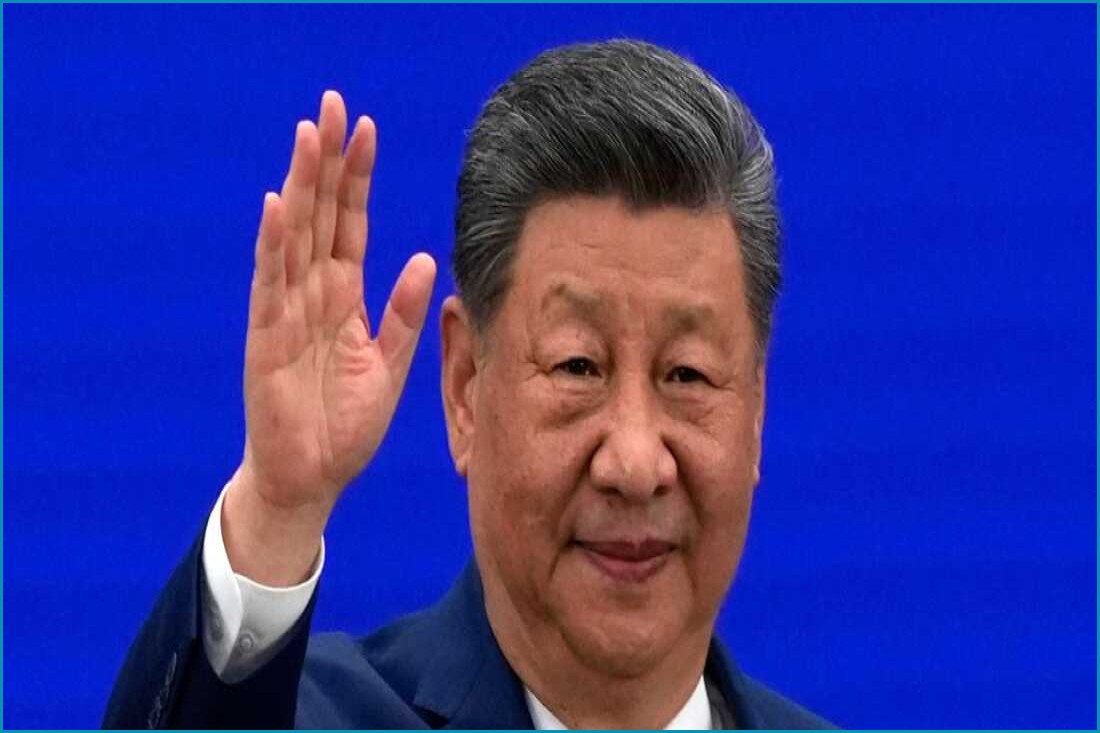
Chinese President Xi Jinping utilized the stage at the annual World Artificial Intelligence Conference in Shanghai on Friday to advocate for an international approach to AI development and governance. Emphasizing that artificial intelligence should not be controlled by any single nation, Xi described the future of the technology as a "symphony of global cooperation" rather than a "solo performance" by one country.
His remarks come as China faces significant technological hurdles due to American-led restrictions that have limited access to some of the world's most advanced technologies. These curbs have accelerated China’s internal drive to develop its own technological expertise, further fueling the ongoing tech competition between the world’s two largest economies. Xi took the opportunity to reiterate China’s long-standing objection to what he characterized as the "overstretching" of national security concerns, urging nations to reject the practice of prioritizing one’s own security at the expense of others.
The conference, which drew over 1,100 companies and 1,400 guests, featured appearances by leaders from Cambodia, Kazakhstan, and Thailand, alongside U.N. Secretary-General António Guterres. As part of a broader strategy to foster international partnerships, Xi pledged that China would provide 5,000 AI training opportunities to developing nations over the next five years. Furthermore, he announced plans to expand cooperation with groups including the BRICS countries, the African Union, the League of Arab States, and the Shanghai Cooperation Organization. He also committed to sharing a Chinese-developed AI meteorological system, which provides early warning capabilities, with 30 countries.
The push for international alignment was underscored by the signing of an agreement among 29 countries—including Russia, Pakistan, and Kazakhstan—to form the World Artificial Intelligence Cooperation Organization. Headquartered in Shanghai, the intergovernmental body is intended to promote global governance in the sector. Meanwhile, the conference highlighted China's growing technical ambitions, with Huawei showcasing its Atlas 950 SuperPoD computing system. Some analysts now suggest that China has transitioned from a follower to an innovator in the AI space, bolstered by a national five-year plan through 2030 that prioritizes scientific frontiers. Additionally, Chinese open-source models like DeepSeek are increasingly viewed as affordable, competitive alternatives to closed-source U.S. models, particularly within the developing world.